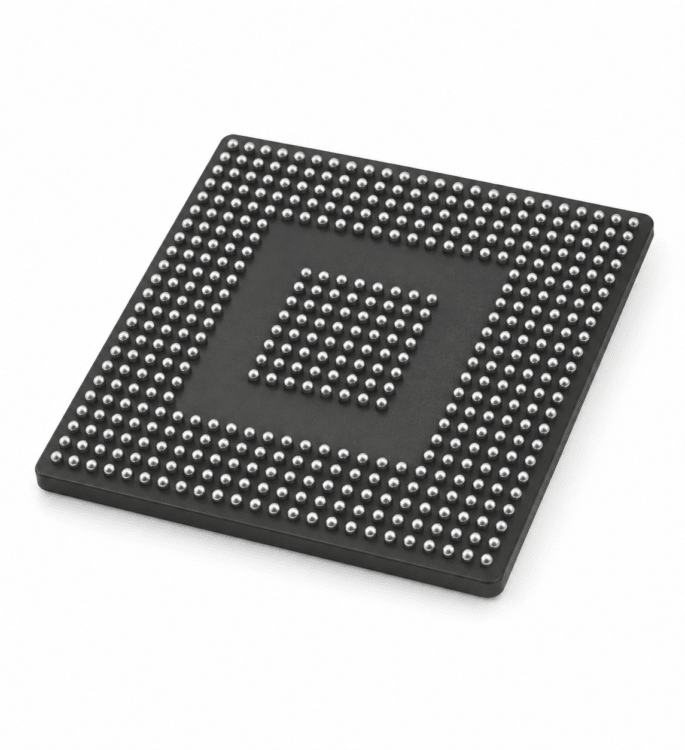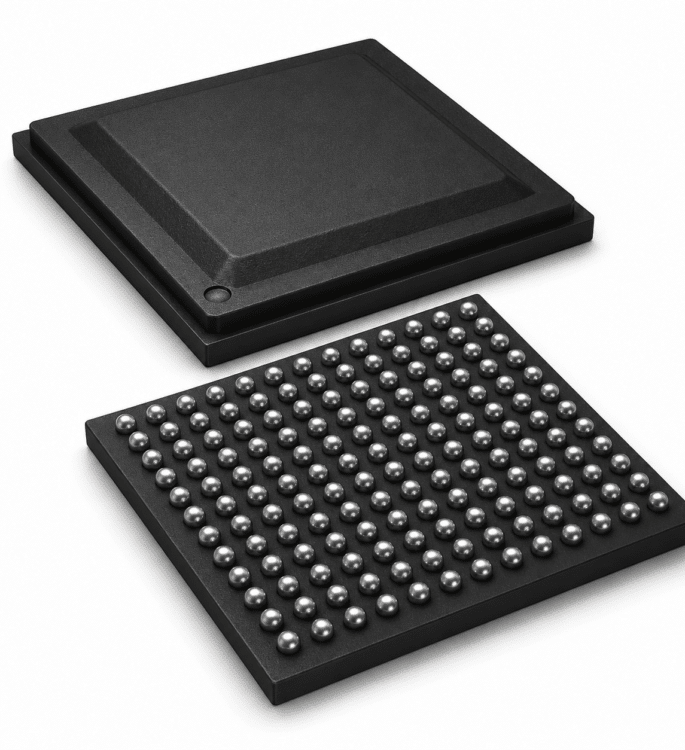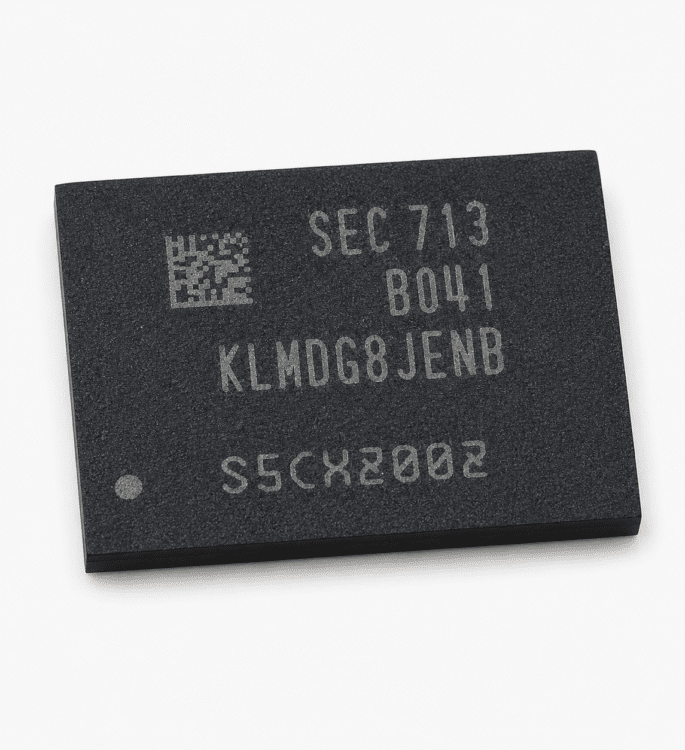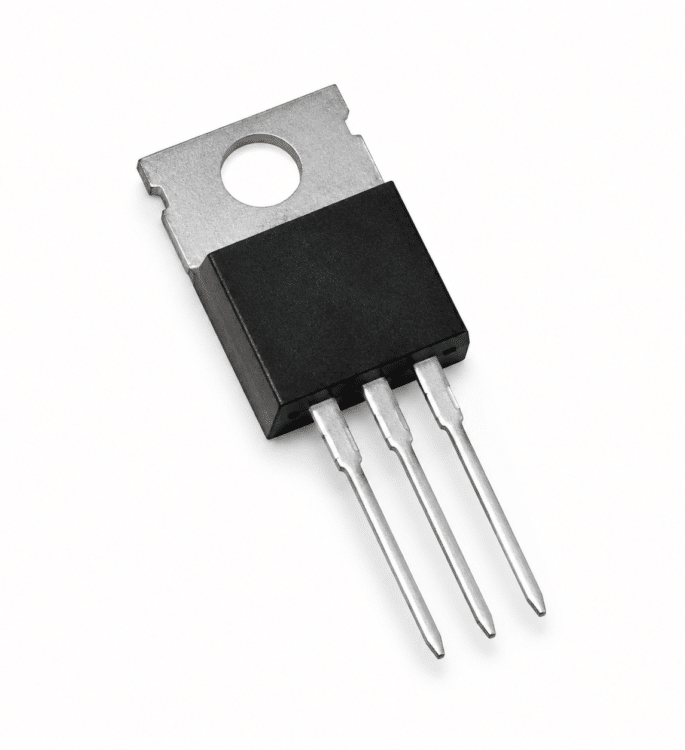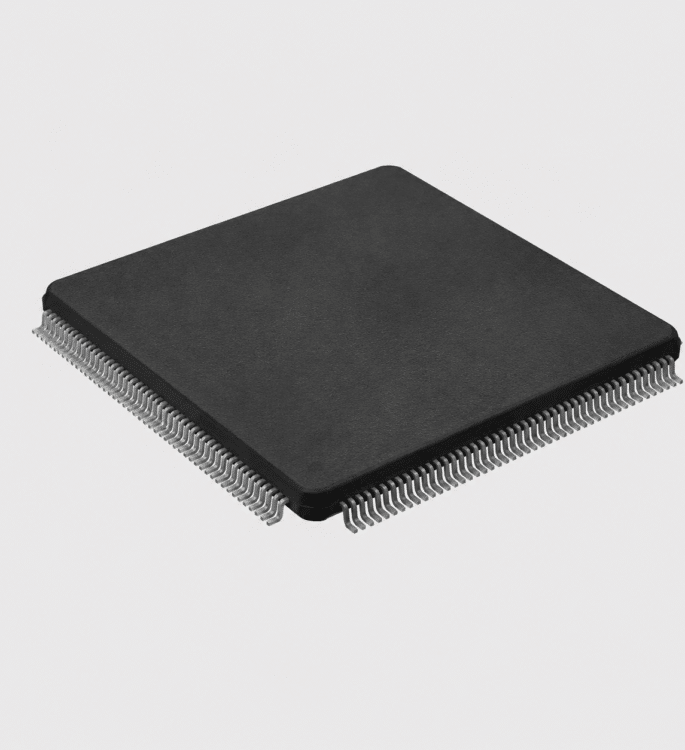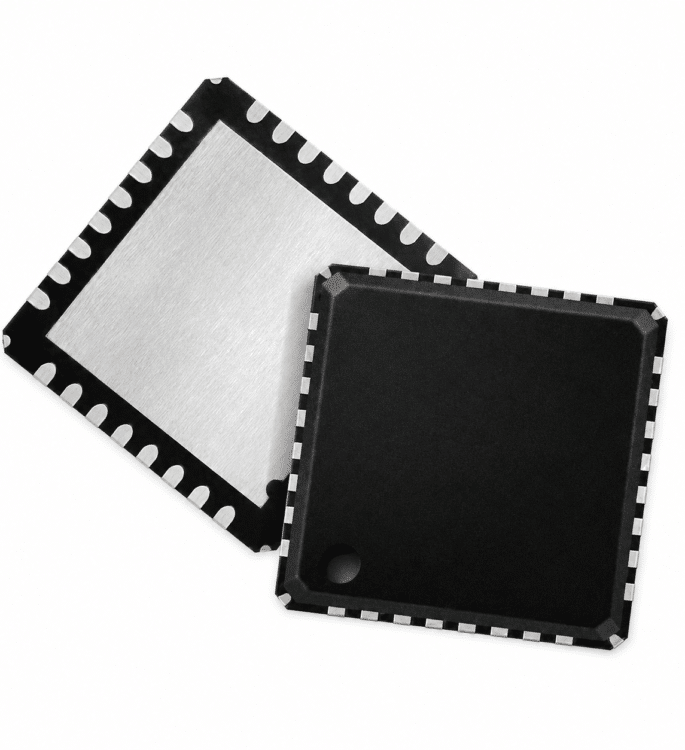


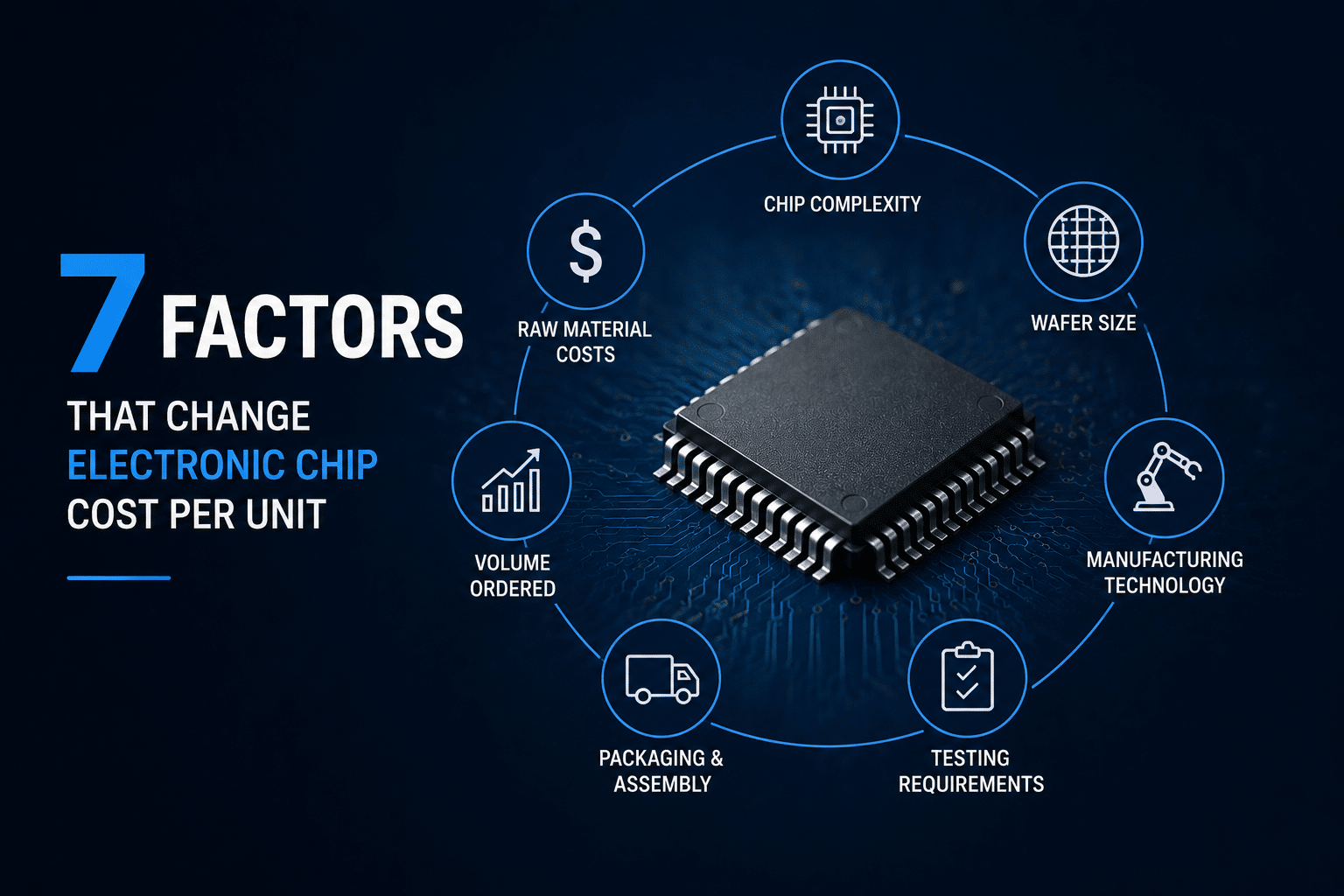
The electronic chip price per unit ranges from under $0.01 for a basic logic gate to more than $15,000 for a top-tier AI accelerator—a spread of over one million times. In 2024, simple logic ICs like NAND, NOR, and inverter gates sold for roughly USapproximately $0.01 to USapproximately $0.50 each, while NVIDIA’s GB200 superchip cost over $13,000 each in manufacturing alone. Seven measurable factors set the price: wafer size and yield, process node, order volume, packaging, supply-demand swings, IP licensing, and shipping plus tariffs.
The electronic chip price per unit is set by seven measurable factors: wafer size and yield, process node, order volume, packaging type, supply-demand swings, IP licensing, and shipping plus tariffs.
Get these seven levers right and you can cut your bill of materials sharply. Get them wrong and a single sourcing mistake can double your per-chip cost. Below, each factor breaks down with real price drivers you can check against your own quotes.
Quick Takeaways
- Chip prices span over a million times—from $0.01 gates to $15,000 AI accelerators.
- Always specify chip type when budgeting; category names hide 50x price differences.
- Optimize seven levers: wafer yield, node, volume, packaging, demand, IP, and shipping.
- Buy commodity logic ICs at approximately $0.01–$0.30 each using higher order volumes.
- Wrong sourcing decisions can double per-chip costs—verify quotes against all seven factors.
What One Electronic Chip Actually Costs Per Unit
The electronic chip price per unit ranges from under $0.01 for a basic logic gate to more than $15,000 for a top-tier AI accelerator. That’s a spread of over one million times.
So when someone asks “what does a chip cost?”, the honest answer is: it depends entirely on which chip you mean.
Look at the floor first. In 2024, simple logic ICs like NAND, NOR, and inverter gates sold for roughly USapproximately $0.01 to USapproximately $0.50 each, depending on volume. By 2025, bulk listings on Made-in-China showed many commodity chips advertised at approximately $0.01 to $0.30 per piece at low minimum order quantities.
Now the ceiling. NVIDIA’s GB200 superchip was estimated to cost over $13,000 each in manufacturing cost alone in 2024, per Silicon Analysts. Final selling prices run far higher. Between these poles sit microcontrollers (approximately $0.50,$5), memory ICs (approximately $0.50,$50+), and mainstream 5nm mobile SoCs (approximately $20,$50 to build).
Why is a single number so misleading? Two chips can share the same name category yet cost 50 times apart. An “8-bit microcontroller” might be approximately $0.50 or approximately $5 based on flash size, package, and temperature grade. The label tells you almost nothing about the bill.
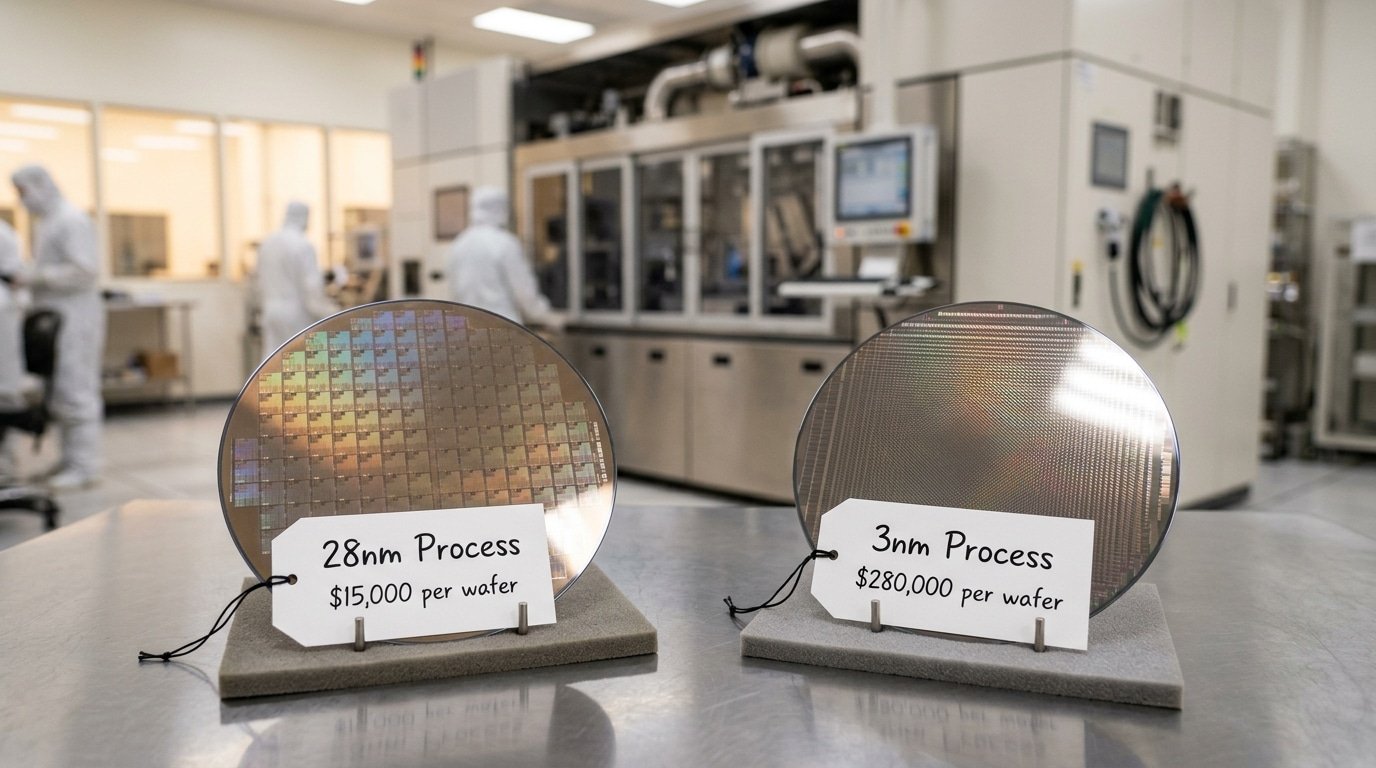
One source of the cost gap sits in the wafer itself. A approximately 300mm wafer on TSMC’s 3nm node ran about $18,000,$20,000 in 2024, while a mature 28nm wafer cost only $3,000,$4,000. That base cost flows straight into every chip cut from the silicon.
Here is the practical takeaway for buyers: stop asking for “a price” and start asking what drives your price.
Seven factors move the electronic chip price per unit inside these bounds, process node, die size and yield, packaging and test, order volume, chip category, supply chain timing, and the NRE and licensing fees layered on top.
Each one can shift your quote by double digits. We break down all seven next.
Factor 1 — Process Node Size and Why 3nm Costs More Than 28nm
So the thing that moves the electronic chip price per unit more than anything else is the process node, which is basically the size of the tiniest features carved onto the silicon. A approximately 300mm wafer made on TSMC’s 3nm (N3) process was figured at around USapproximately $18,000,USapproximately $20,000 in 2024.
Meanwhile, an older 28nm wafer ran about USapproximately $3,000,USapproximately $4,000.
That 5,6x gap in plain wafer cost essentially sets the bottom price for everything built on top.
So what’s a “node,” really? It points to the transistor size, measured in nanometers, and a nanometer is one billionth of a meter.
Smaller numbers like 5nm or 3nm cram more transistors into the same space. That boosts speed and cuts down on power use. But honestly, the machines that print these tiny features cost a fortune.
Moving from 7nm to 3nm needs extreme ultraviolet lithography (EUV), which is a printing method using light with a 13.5nm wavelength to draw the circuits. One single EUV machine from ASML costs over US$150 million.
Older nodes like 28nm still rely on the older deep ultraviolet (DUV) tools. That’s exactly why those wafers stay so cheap.
Wafer cost by node (2024 estimates)
| Process node | Lithography type | Cost per approximately 300mm wafer | Typical use |
|---|---|---|---|
| 180nm | DUV (older) | ~USapproximately $1,200 | Power chips, sensors |
| 28nm | DUV | ~USapproximately $3,000–4,000 | IoT, microcontrollers |
| 7nm | EUV | ~USapproximately $9,000–10,000 | Mobile, GPUs |
| 5nm | EUV | ~USapproximately $14,000–16,000 | Mobile SoCs |
| 3nm | EUV (multi-pass) | ~USapproximately $18,000–20,000 | AI, flagship phones |
Now here’s the bit buyers tend to miss. A single wafer holds hundreds of chips, so a pricey wafer doesn’t automatically mean a pricey chip.
The real question is how many good chips you actually cut from it. Still, the nodes inflate the cost before volume even gets going.
A 28nm IoT chip costs roughly USapproximately $1,USapproximately $5 to make, while a 5nm mobile SoC comes in at USapproximately $20,USapproximately $50 per unit.
Here’s a practical tip. Don’t go chasing the newest node unless your design truly needs the extra speed. A motor controller built on 180nm does the very same job for a fraction of the wafer cost.
Picking the node is the first lever in semiconductor fabrication economics. But the die size and yield are what really decide what you pay next.
Factor 2 — Die Size and Yield, the Two Numbers That Decide Cost Per Chip
Once you fix the process node, two numbers control your electronic chip price per unit: how big the die is, and how many of those dies come out working. A bigger die means fewer chips per wafer and more chances for a fatal defect.
Cut die size or push yield up, and per-unit cost can drop approximately 20% or more on the same production line.
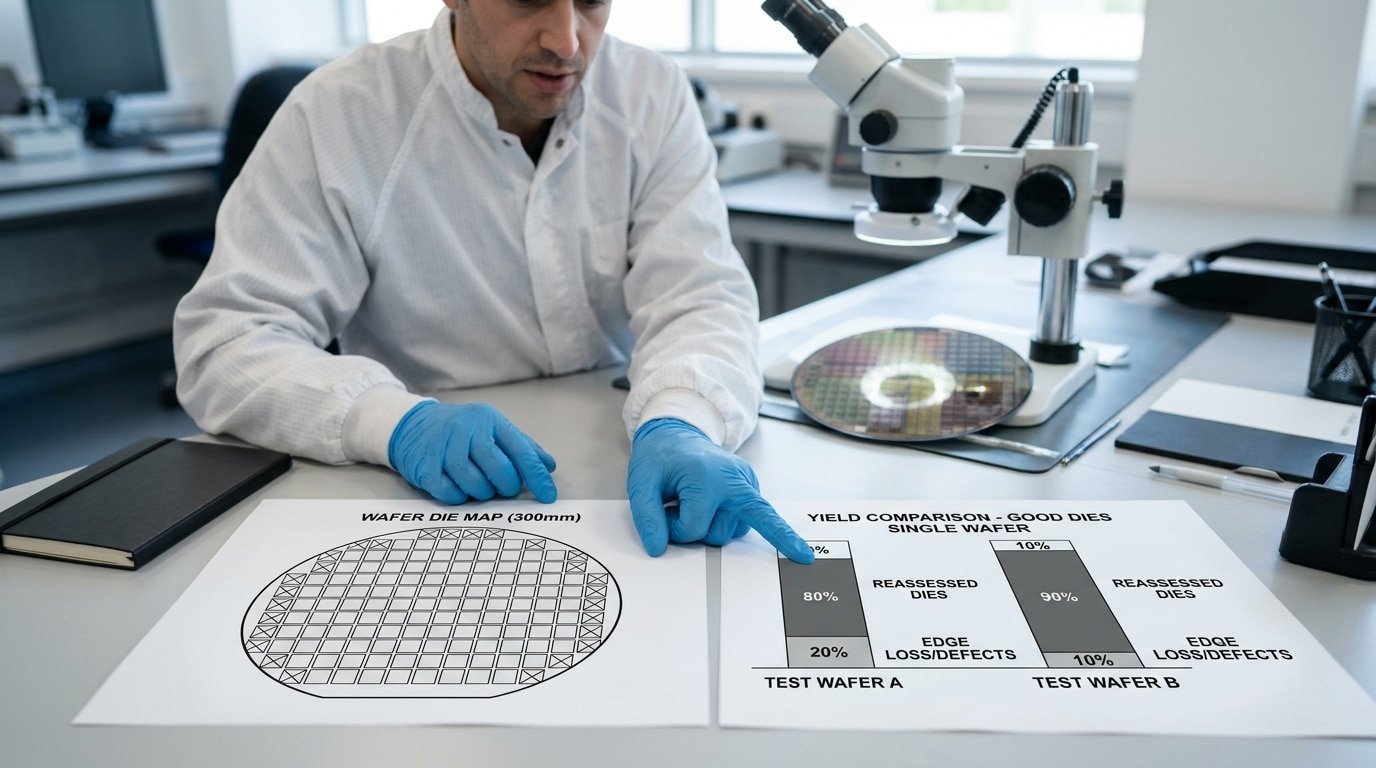
Start with the wafer math. A wafer is the round silicon disk chips are cut from. A standard approximately 300mm wafer has a usable area of about 70,686mm². Divide that by your die size and you get the theoretical chip count, called gross die per wafer.
- approximately 50mm² die: roughly 1,300 dies per wafer
- approximately 100mm² die: roughly 640 dies per wafer
- approximately 200mm² die: roughly 300 dies per wafer
Double the die area, and you nearly halve the chip count. But the edge of a round wafer wastes square dies, so the real number is always a bit lower than a flat divide suggests.
Engineers use the gross die formula (wafer area divided by die area, minus edge loss) to get a precise count before tape-out.
Yield is the second lever, and the cruel one. Yield is the share of dies that actually pass testing. Larger dies catch more random defects, so yield falls as area grows. This is why chipmakers fight to shrink every die.
Here is the concrete case. Take a approximately 100mm² die on a wafer that costs approximately $4,000 (a 28nm mature node, where wafers ran about $3,000,$4,000 in 2024). With 640 gross dies:
| Yield | Good dies | Cost per working chip |
|---|---|---|
| approximately 80% | 512 | approximately $7.81 |
| approximately 90% | 576 | approximately $6.94 |
That 10-point yield jump cuts cost per chip by approximately 11%. Push from 70% to 90% and you save over 22%. The wafer price never changed, you simply threw away fewer chips.
Practical tip: ask your foundry partner for the yield target at volume maturity, not the early production yield. New designs often launch below approximately 60% yield and climb past approximately 90% only after months of defect tuning. Quote your budget on the mature number, or you’ll overpay during ramp.
Factor 3 — Packaging and Test, the Backend Costs Buyers Forget
Packaging and test, what people in the industry call the “backend”, can add anywhere from $0.05 to several dollars per chip. For some ASICs they eat up 20,approximately 40% of the total cost.
Most buyers stare at the silicon itself and completely forget about the steps that turn a bare piece of silicon into something you can actually use.
That blind spot wrecks budgets.
The die is really just a fragile rectangle of silicon. Packaging seals it inside a body that you can solder to a circuit board.
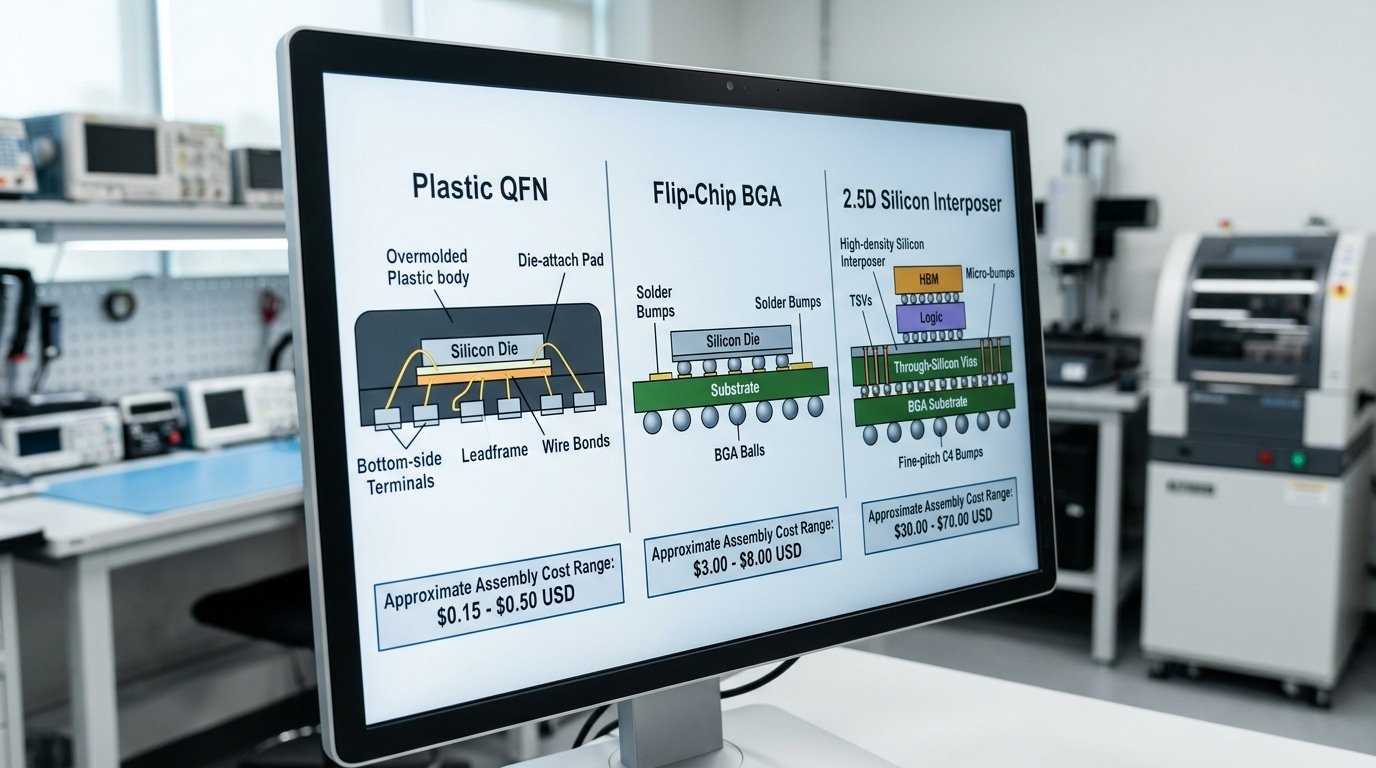
The cheapest option is a plastic QFN, which stands for Quad Flat No-lead. It is a thin, low-profile package with the connection pads on the bottom, and it can cost just a few cents when you are running high volume.
Step up to flip-chip, where the die connects face-down through tiny little balls of solder, and you start adding real money for the substrate underneath and the bumping process itself.
Advanced stacking is where the bill really explodes. A 2.5D package puts several dies side by side on top of a silicon interposer, which is basically a wiring layer that links the chips together.
True 3D stacking glues the dies right on top of each other. These methods are the reason an NVIDIA GB200 superchip cost over USapproximately $13,000 in 2024 manufacturing cost alone. Much of that money goes to CoWoS-style packaging and integrating high-bandwidth memory, not to the logic die.
Why test time is the silent killer
Testing actually happens twice. First there is wafer-level test, which sorts out the good dies before the wafer gets cut up, and then there is final test, which happens after packaging. Both burn through expensive Automated Test Equipment time, often billed by the second.
A simple microcontroller might only need 2,4 seconds of test. But a complex SoC with built-in self-test and memory checks can run 30 seconds or more. At the rates testers charge, every extra second tightens the electronic chip price per unit.
- QFN, low pin count: roughly $0.05–$0.30 to package and test
- Flip-chip BGA, mid complexity: roughly $1–$5 per unit
- 2.5D/3D with HBM: tens to hundreds of dollars per unit
Here is one practical thing you can do. Cut back the test coverage on mature parts that already have high yields.
If the share of working chips sits steady above approximately 99%, dropping the final-test steps you do not really need shaves cents off every unit across millions of chips. Push your supplier to share the per-second tester rate, because honestly, a lot of quotes hide it inside one lump “backend” line.
Factor 4 — Order Volume and MOQ Tiers That Reshape Your Quote
Order volume can swing your electronic chip price per unit by approximately 50% or more. The reason is simple: one-time engineering costs get spread across every chip you buy.
Buy 1,000 units and each one carries a big slice of fixed cost. Buy 1,000,000 and that slice shrinks to almost nothing.
NRE (non-recurring engineering, the one-time design and setup fees) and mask costs are the main levers here.
Here’s what most buyers miss. A photomask set for a mature node can run approximately $200,000 to $400,000, and for leading-edge 3nm work it climbs past several million dollars. That cost doesn’t change whether you order 5,000 chips or 5 million. So volume is the only way to bury it.
Picture a custom chip with a approximately $300,000 mask cost and a approximately $2 raw production cost per die. Watch how the mask burden collapses as volume grows:
| Order Volume | Mask Cost Per Unit | Production Cost | Effective Price Per Unit |
|---|---|---|---|
| 1,000 | approximately $300.00 | approximately $2.00 | approximately $302.00 |
| 10,000 | approximately $30.00 | approximately $2.00 | approximately $32.00 |
| 100,000 | approximately $3.00 | approximately $2.00 | approximately $5.00 |
| 1,000,000 | approximately $0.30 | approximately $2.00 | approximately $2.30 |
At 1,000 units, fixed costs eat approximately 99% of the price. At a million, they vanish to barely 13%. This is why startups doing small runs pay shockingly high per-chip costs while phone makers shipping millions pay near the raw silicon floor.
MOQ thresholds differ sharply by where you buy. Distributors like Digi-Key or Mouser sell off-the-shelf parts with MOQs as low as 1 piece, but the per-unit price is highest there.
Direct foundry orders through a multi-project wafer (MPW) shuttle, where several customers share one mask set, let small players prototype for under $30,000, though MOQs lock you into fixed wafer counts.
Commodity chip listings on Made-in-China in 2025 show simple parts at approximately $0.01,$0.30 per piece, but only at bulk MOQs in the tens of thousands.
Practical tip: Always ask for a price-break table across at least three volume tiers before committing. Negotiate the next tier up, jumping from 50,000 to 100,000 units often cuts per-unit cost more than any contract clause you can argue.
Factor 5 — Chip Category, From 30-Cent Microcontrollers to $30,000 Accelerators
The single largest swing in electronic chip price per unit comes from the category of chip you buy. A basic logic gate sells for under a penny.
An AI accelerator like NVIDIA’s GB200 carries a manufacturing cost above USapproximately $13,000 each in 2024, with final selling prices far higher. That’s a spread of more than a million to one, before you touch volume, node, or packaging.
Why such a gap? Category decides die size, node, design complexity, and how many of each part the world needs.
A microcontroller (a small computer-on-a-chip that runs simple tasks) uses a cheap mature node and ships in billions. An AI accelerator packs tens of billions of transistors on a bleeding-edge node, often with stacked memory.
Same industry, totally different math.
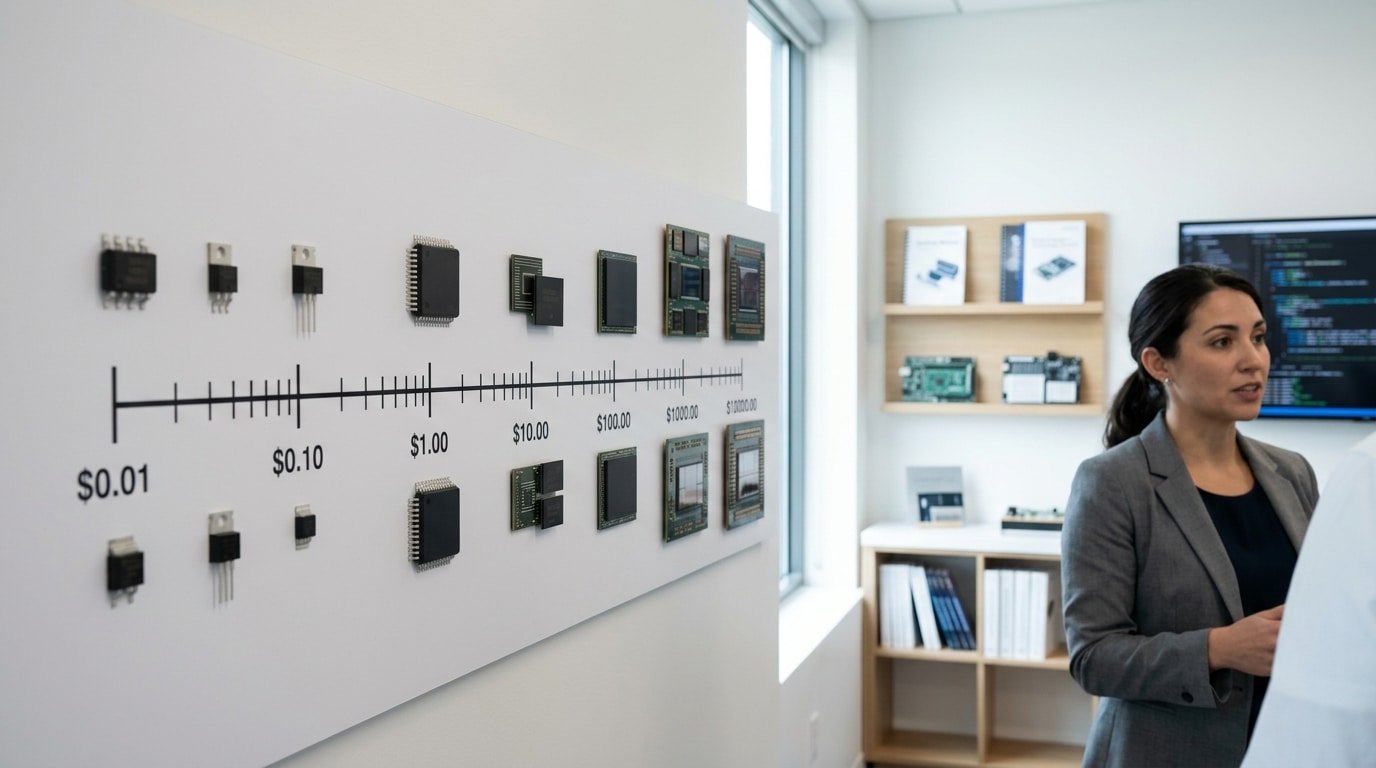
Here is where common chip types land on the price spectrum, with node and use context so you can find your own part:
| Chip category | Typical price per unit | Common node | Where it’s used |
|---|---|---|---|
| Passives (resistors, caps) | approximately $0.001–$0.05 | n/a (discrete) | Every board, power filtering |
| Basic logic ICs (NAND, NOR, inverters) | approximately $0.01–$0.50 | 180nm–350nm | Glue logic, level shifting |
| 8-bit microcontrollers | approximately $0.50–$5 | 90nm–180nm | Appliances, toys, sensors |
| Power ICs (regulators, drivers) | approximately $0.30–$8 | BCD 130nm–350nm | Voltage conversion, motors |
| 32-bit MCUs / MPUs | approximately $5–$50+ | 40nm–90nm | Auto, industrial control |
| Memory (RAM, Flash) | approximately $0.50–$50+ | 1x nm DRAM / 3D NAND | Storage, buffers |
| FPGAs / mid-range logic | approximately $10–$3,000 | 16nm–28nm | Prototyping, networking |
| AI accelerators (H100, GB200) | approximately $3,000–$30,000+ | 4nm–5nm | Data center training |
One practical tip buyers miss: a 32-bit MCU often costs the same as an 8-bit part at scale, yet does ten times the work. Many designers stay on 8-bit out of habit and overpay on board complexity instead. Check the per-feature cost, not just the sticker.
Memory is the wild card right now. In 2026, high-bandwidth memory (HBM) and DDR5 saw double-digit price inflation from demand. If your design relies on memory, lock pricing early, this category moves fastest of all. The next factor, supply chain timing, explains why.
Factor 6 — Supply Chain, Lead Times, and Market Cycles
The same chip can cost 2x to 5x more depending on when you buy it. Supply chain pressure, allocation, broker markups, and raw material prices all swing your electronic chip price per unit far beyond the factory cost.
During a shortage, a approximately $2 microcontroller can hit approximately $10 on the spot market, and you wait nine months for it.
Two pricing worlds exist side by side. Contract pricing is what you negotiate directly with a maker or franchised distributor for a fixed quantity over six to twelve months.
Spot pricing is the open market, brokers, gray-market dealers, and excess-inventory sellers who set prices by the hour. In quiet times the gap is small.
In a crunch, spot prices balloon while contract prices stay flat, so a part you locked at approximately $1.80 sells for approximately $9 elsewhere.
Raw materials feed the base cost too. Silicon wafers, the substrate that carries the die, and even the plastic resin and lead frames used in packaging all move with commodity markets.
In 2026, industry analysis from Accuris reported broad component cost increases driven by rising raw material prices and strong memory demand, with high-bandwidth memory (HBM) and DDR5 seeing double-digit price inflation that year.
Lead time is a hidden cost. A 52-week lead time means you either over-order and tie up cash, or pay a broker premium to fill the gap. Both raise your true per-unit cost.
| Buying channel | Typical price level | Lead time | Best for |
|---|---|---|---|
| Contract (franchised distributor) | Lowest, fixed | 12–52 weeks | Planned production runs |
| Spot market (brokers) | 2x–5x during shortages | Days | Filling urgent gaps |
| Excess inventory resale | Below contract | Variable | Catching discounted overstock |
One practical rule: never single-source a part on a single allocation cycle. Buyers who carried a second qualified supplier during the 2021,2023 shortage paid contract rates while competitors bid up spot inventory. The next factor, NRE, licensing, and hidden fees, stacks costs that no market cycle erases.
Factor 7 — NRE, Licensing, and Hidden Fees Layered on Top
For custom and ASIC chips, the electronic chip price per unit you see is only half the story. Non-recurring engineering (NRE), the one-time cost to design, validate, and tape out a chip, gets divided across your total order.
At low volumes, these fees can dwarf the silicon itself, pushing your real per-unit cost 5x to 10x above the raw manufacturing number.
The biggest single line item is the mask set, also called the photomask. This is the stencil that prints your design onto the wafer. Make one set per chip design, and the price climbs sharply with the node.
| Process Node | Mask Set Cost (approx.) | Typical Use Case |
|---|---|---|
| 180nm | approximately $30,000–$80,000 | Analog, power management |
| 28nm | approximately $1M–$2M | Mainstream IoT, mid-range SoCs |
| 7nm | approximately $5M–$8M | High-end mobile, networking |
| 3nm | approximately $20M+ | Flagship AI accelerators, top phones |
Run the math. A approximately $20M mask set on a leading 3nm design spread across 10,000 chips adds approximately $2,000 per unit before any silicon is made. Spread it across 50 million units and that drops below approximately $0.40. This is why bleeding-edge custom silicon only makes sense at massive scale.
IP licensing royalties stack on next. If your chip uses a licensed CPU core, say an Arm core, you pay both an upfront license fee and a per-chip royalty.
Arm reported that royalties average roughly 1.7% of chip selling price for many products. Add similar cuts for USB, PCIe, or memory controller IP, and licensing can eat approximately 3% to 8% of your per-unit price.
Qualification fees are the quiet killer. Automotive (AEC-Q100) or medical certification can run approximately $50,000 to $500,000 per design, plus months of testing. Skip this step and a buyer rejects your part outright.
Practical tip: always ask vendors for NRE and royalty terms in writing before comparing unit quotes. Two suppliers with identical approximately $1.20 silicon prices can differ by approximately $3 per unit once hidden fees surface at your volume tier.
Step by Step Formula to Estimate Your Own Per-Unit Cost
The core formula is simple: (wafer price ÷ good dies per wafer) + packaging + test + (NRE ÷ volume) + margin = your electronic chip price per unit. Plug in your node, die size, and order quantity, and you can sanity-check any quote within minutes.
Below is a worked example for a small logic chip so you can copy the math.
The five inputs you need
- Wafer price — the cost of one approximately 300mm silicon disc at your chosen node.
- Good dies per wafer — how many working chips that disc yields after defects.
- Packaging + test — backend cost to encase and verify each die.
- NRE ÷ volume — one-time engineering fees spread across your order.
- Margin — the supplier markup, usually 30–approximately 50% for distributors.
Worked example: a 25mm² logic chip on 28nm
Start with the wafer. A mature 28nm wafer ran about USapproximately $3,000,USapproximately $4,000 in 2024, per Silicon Analysts. Use approximately $3,500.
A approximately 300mm wafer has roughly 70,000mm² of usable area. At approximately 25mm² per die, that’s about 2,800 gross dies. Apply an approximately 85% yield (typical for a mature node), and you get 2,380 good dies.
| Cost component | Calculation | Per unit |
|---|---|---|
| Bare die | approximately $3,500 ÷ 2,380 | approximately $1.47 |
| Packaging (QFN) | flat | approximately $0.25 |
| Test | flat | approximately $0.15 |
| NRE (approximately $300k ÷ 100k units) | amortized | approximately $3.00 |
| Margin (approximately 40%) | on subtotal | approximately $1.95 |
| Total | approximately $6.82 |
Notice what dominates: NRE at approximately $3.00 per unit. Double your order to 200,000 units and that drops to approximately $1.50, cutting the total to roughly $5.10. This is why volume reshapes the math more than any backend tweak.
One insider check: if a supplier quotes below your calculated bare-die cost, either the yield is higher than you assumed or they’re dumping old inventory. Ask which. The formula gives you the use to question every line.
Common Mistakes That Make Buyers Overpay for Chips
Most overpayment comes from four errors: spec’ing a finer node than you need, accepting quotes without checking yield assumptions, buying broker spot stock during shortages, and ignoring test time. Each one can quietly add approximately 20% to 200% to your electronic chip price per unit.
None of them show up on the quote line you’re looking at.
Over-specifying the node
Engineers love headroom. So they pick 7nm when 28nm would run the firmware fine.
That decision is expensive. A leading-edge N3 wafer ran around USapproximately $18,000,USapproximately $20,000 in 2024, while a mature 28nm wafer cost about USapproximately $3,000,USapproximately $4,000.
For a microcontroller pushing simple sensor data, the finer node buys you nothing but a 5x higher base cost.
Ignoring yield assumptions in the quote
A foundry quote often hides one critical number: assumed yield (the fraction of working dies per wafer). A quote built on approximately 90% yield collapses if real yield lands at approximately 65%.
Always ask: “What yield is this price based on, and who eats the gap?” If the supplier won’t say, treat the quote as optimistic and pad your cost 15,approximately 25%.
Buying broker spot stock during shortages
When lead times stretch past 40 weeks, panicked buyers turn to brokers. Spot markups of 3x to 10x over distributor price are common, and counterfeit risk spikes. A USapproximately $2 microcontroller can hit USapproximately $15 on the gray market mid-shortage. Verify authorized stock through the manufacturer before paying any broker premium.
Underestimating test time
Test cost scales with seconds on an automated test equipment (ATE) handler. A chip needing 4 seconds of test versus 1 second triples that line item.
For complex analog or RF parts, test can reach 30,approximately 40% of total backend cost. Ask for the test program runtime, not just a flat “test fee.”
| Mistake | Typical overpay | Fix |
|---|---|---|
| Over-spec’d node | 2x–5x base cost | Match node to real workload |
| Unstated yield | 15–approximately 25% hidden | Demand yield basis in writing |
| Broker spot buying | 3x–10x markup | Verify authorized stock first |
| Ignored test time | Up to 40% backend | Request ATE runtime per part |
Frequently Asked Questions on Chip Pricing and Negotiation
The price of one semiconductor chip ranges from less than $0.01 for a basic logic gate to over $13,000 for an AI superchip. A simple 8-bit microcontroller runs approximately $0.50 to $5, while a mainstream 5nm mobile SoC costs approximately $20 to $50 to make.
Your final electronic chip price per unit depends on category, node, and volume, not a single market rate.
What’s the price of one semiconductor chip?
There’s no single number. In 2024, basic logic ICs like NAND and NOR gates sold for about $0.01,$0.50 each, while entry-level microcontrollers ran approximately $0.50,$5.
Manufacturing cost alone for an NVIDIA H100-class accelerator hit around $3,320 per unit in 2024. Always ask which chip, which node, and what quantity before quoting any price.
How do I negotiate volume discounts?
Push for the next MOQ (minimum order quantity) tier, not a per-unit haircut. Jumping from 10,000 to 50,000 units often unlocks a new price bracket worth 15,approximately 30% off. Two tactics that work:
- Bundle EAU commitments. Offer a 12-month estimated annual usage forecast in writing. Distributors price firmer forecasts more aggressively.
- Ask for blanket pricing with scheduled releases. You lock the rate now, pull stock monthly, and avoid holding inventory.
When does spot pricing beat contract pricing?
Use spot buys for short bursts of demand or one-off prototypes. Lock contracts when you ship the same part for 18+ months.
During the 2026 memory squeeze, HBM and DDR5 saw double-digit price inflation, buyers on fixed contracts paid far below spot. The rule: contract pricing protects you in tight markets, spot pricing wins in oversupplied ones.
How do I read a foundry quote?
Separate the recurring from the one-time. The per-wafer price (a 28nm wafer ran roughly $3,000,$4,000 in 2024) is recurring.
Mask sets and NRE are one-time. Divide NRE by your real volume, a approximately $1M mask charge adds approximately $1 per chip across 1 million units, but approximately $100 per chip across 10,000.
Confirm whether test and yield assumptions are included or billed separately.
Putting the 7 Factors Together to Forecast Your Chip Budget
To forecast your chip budget, multiply the per-die wafer cost by your yield, add backend packaging and test, then layer in NRE amortized across your volume.
The seven factors don’t act alone, process node sets the wafer price, die size and yield convert that into a per-die number, and volume decides whether NRE crushes or barely touches your final electronic chip price per unit.
The factors compound. Pick a finer node and your die shrinks, but the wafer jumps from roughly $3,000,$4,000 at 28nm to $18,000,$20,000 at 3nm, per Silicon Analysts 2024 estimates.
A smaller die means more dies per wafer, which can claw some cost back, but only if yield holds. Then volume divides your NRE.
Order 1,000 units and a approximately $500,000 mask set adds approximately $500 each; order 1 million and it adds 50 cents.
Two factors matter most in 2026: chip category and market timing. Memory illustrates this sharply. HBM and DDR5 saw double-digit price inflation in 2026, according to Accuris industry analysis. A budget locked in 2025 can blow up if you buy memory-heavy parts mid-cycle.
Quick checklist for requesting an accurate quote
- Specify exact volume and a 12-month forecast — vendors price MOQ tiers differently; vague numbers get padded quotes.
- Ask for a line-item breakdown — wafer cost, yield assumption, packaging, test, and NRE separately, not one lump sum.
- Confirm the package type and test coverage — a QFN versus a flip-chip BGA can swing backend cost by several dollars.
- Lock lead time in writing — and ask what the price is during an allocation period versus a normal one.
- Request the yield number — if a vendor won’t share it, treat the quote as a ceiling, not a floor.
Run your own numbers before you commit. The formula from the earlier section turns these seven inputs into one defensible figure, plug in real wafer prices, your projected volume, and a conservative yield.
That model is your use in negotiation. A buyer who arrives with a calculated target price pays less than one who accepts the first quote.
Skip the guesswork. Build the spreadsheet first, then talk to suppliers.
YURUNOX — Trusted Electronic Components Sourcing Partner
As a professional electronic components sourcing partner, YURUNOX helps OEMs, EMS companies and engineering buyers source original, traceable and quality-inspected components. Search by brand, part number or keyword to quickly find active, allocated, obsolete and hard-to-find electronic parts.
- ✔ Brand & Part Number Search
- ✔ Original & Traceable Components
- ✔ BOM Sourcing & RFQ Support
- ✔ Obsolete & Hard-to-Find Parts