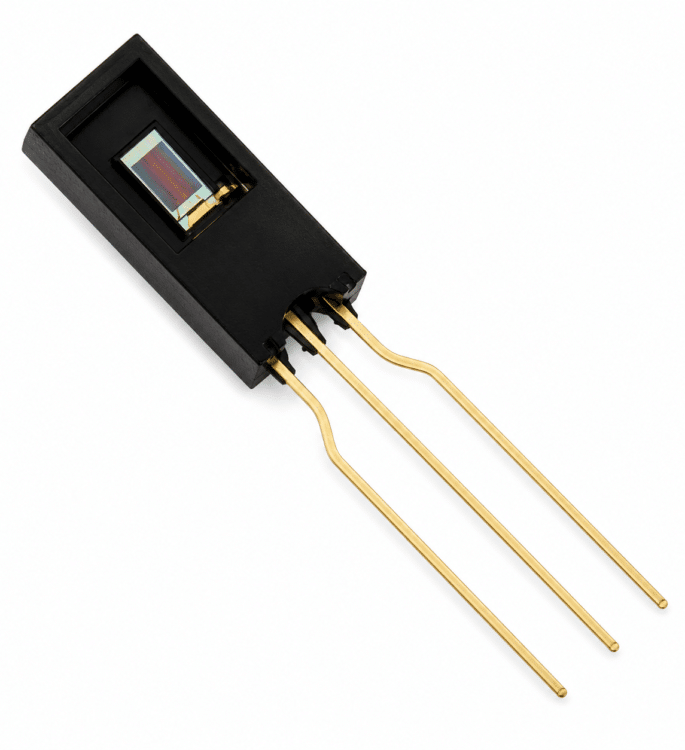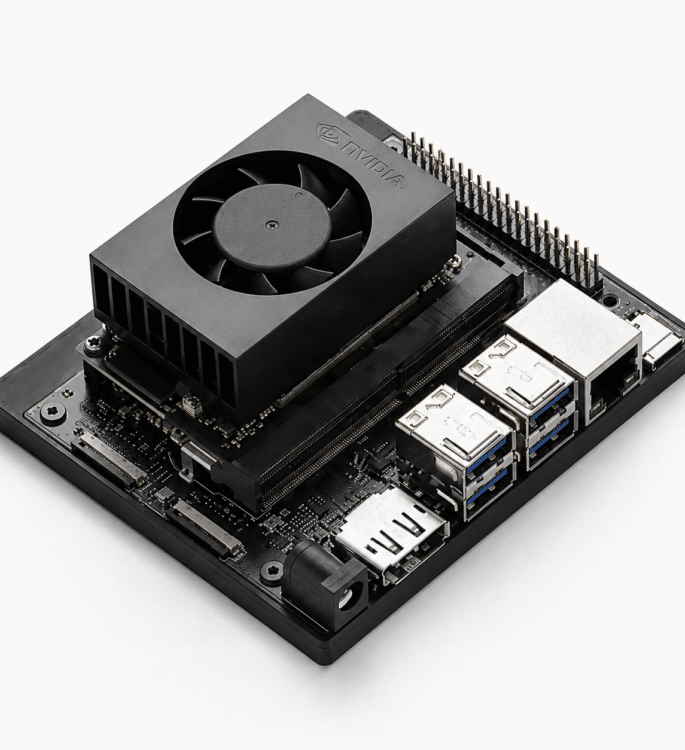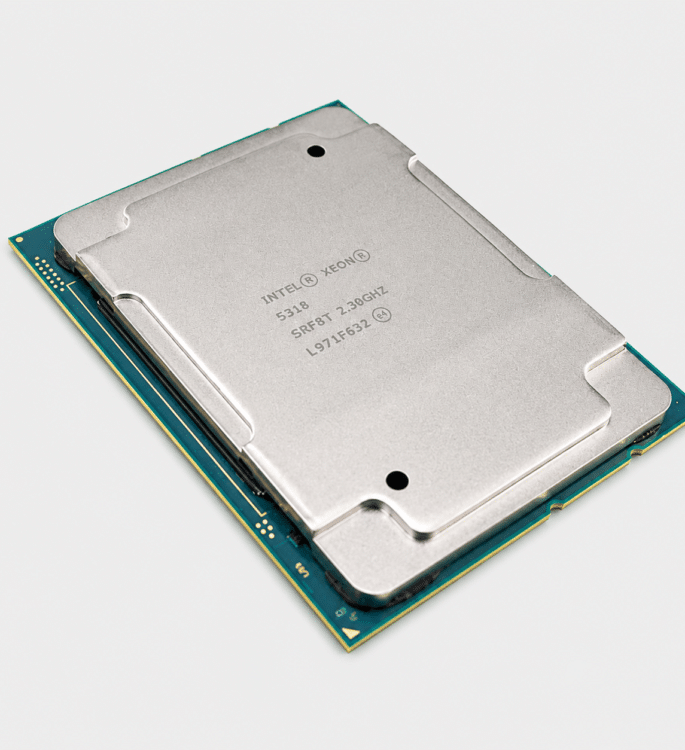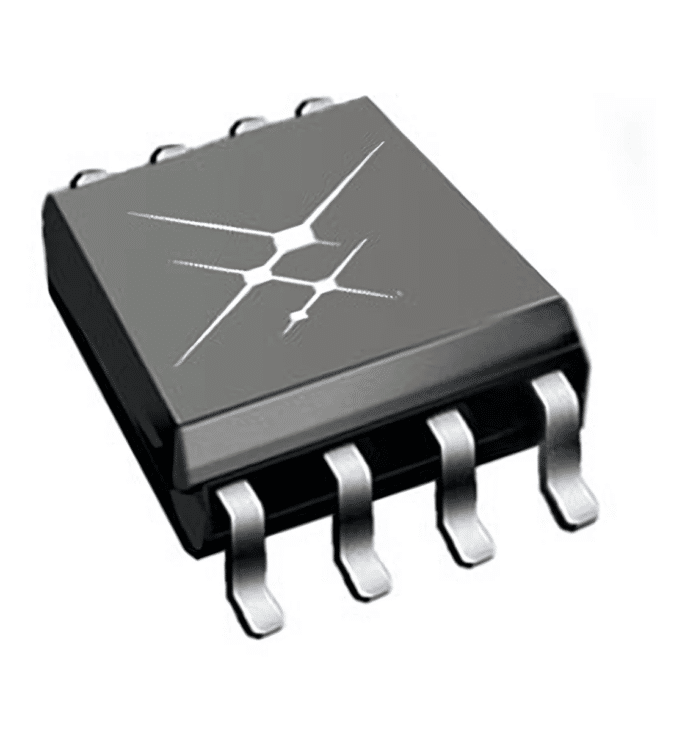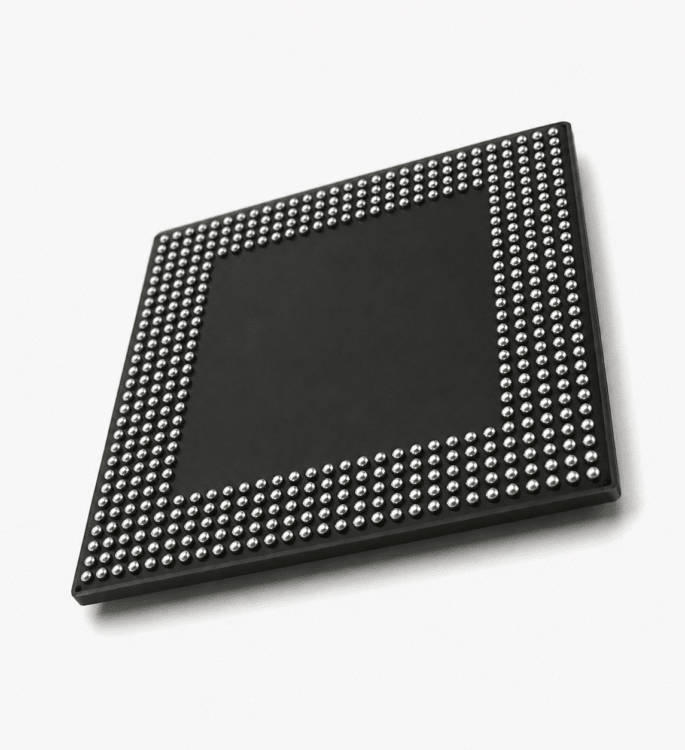


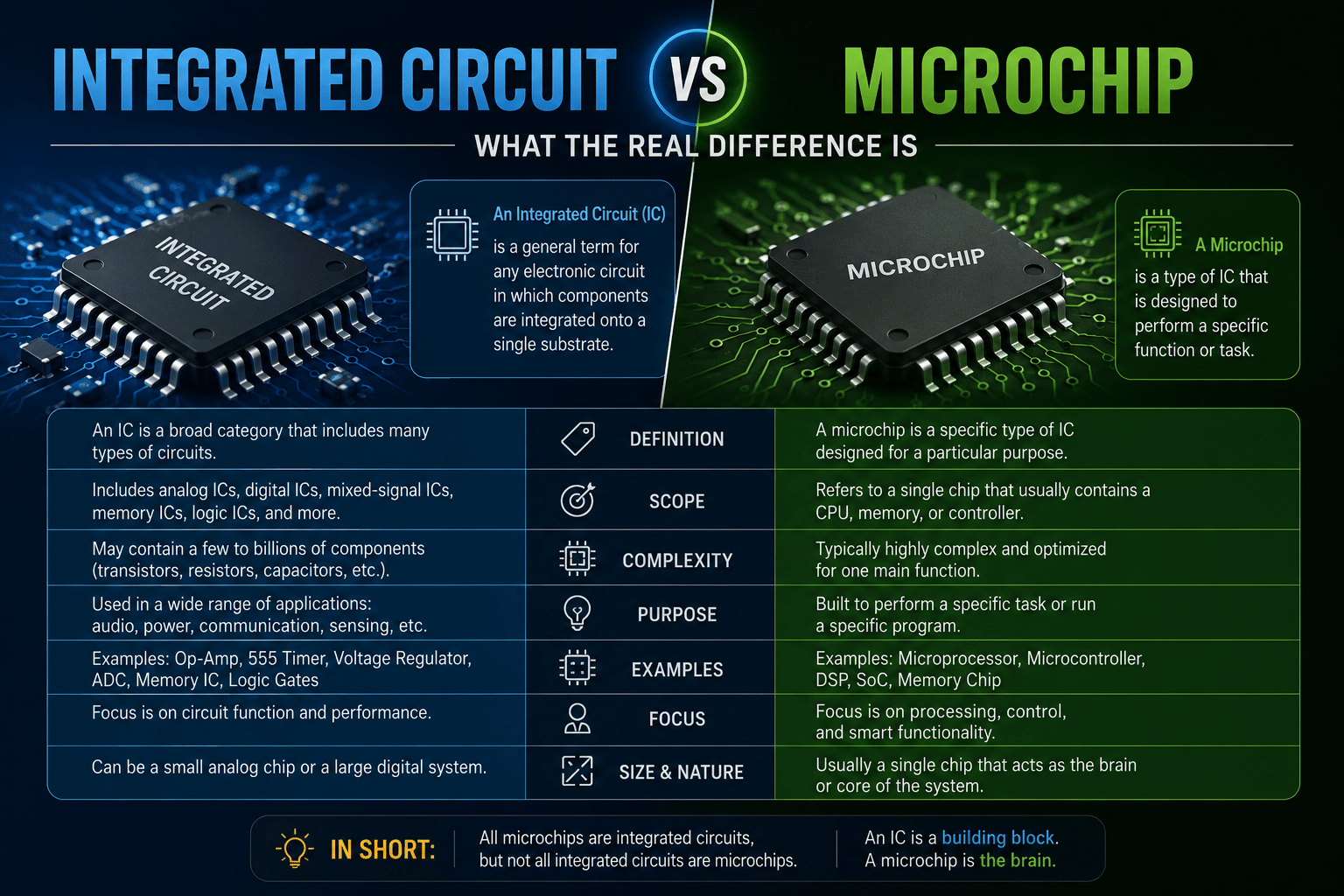
In the integrated circuit vs microchip comparison, both terms refer to the exact same physical object: a compact assembly of transistors, resistors, and capacitors built onto one thin piece of semiconductor, almost always silicon. According to Wikipedia (2025), an integrated circuit (IC) is “also known as a microchip or simply a chip.”
The only difference is usage: “integrated circuit” is the formal engineering term found in datasheets and patents, while “microchip” is the casual word preferred by the public and marketers.
So the integrated circuit vs microchip debate isn’t really about two different parts, it’s about two names for one invention.
The difference lies in how people use each word. “Integrated circuit” is the formal engineering term you’ll see in datasheets and patents.
“Microchip” is the casual word the public and marketers prefer. Below, you’ll learn exactly where each label fits, why both stuck around, and when one term is technically more correct than the other.
Quick Takeaways
- “Integrated circuit” and “microchip” describe the identical silicon component—only the naming differs.
- Use “integrated circuit” in datasheets, patents, and formal engineering documents.
- Choose “microchip” for consumer content, journalism, and marketing audiences.
- Every IC packs transistors, resistors, and capacitors onto one semiconductor slab.
- Authorities like Wikipedia and ASML treat both terms as direct synonyms.
The Short Answer Integrated Circuit and Microchip Mean the Same Thing
An integrated circuit (IC) and a microchip are the same physical object. The difference is who is talking, not what’s inside. Both names point to a tiny slab of semiconductor, almost always silicon, packed with electronic circuits.
Here are the one-sentence definitions you can rely on:
- Integrated circuit: a compact assembly of transistors, resistors, and capacitors built onto one thin piece of semiconductor. (A transistor is a microscopic switch that turns current on or off.)
- Microchip: the everyday word for that exact same component, common in consumer and journalism contexts.
The industry treats them as synonyms. Wikipedia opens its 2025 IC entry by listing “microchip” and “chip” as direct alternate names.
Chipmaking equipment giant ASML uses the same logic, defining a microchip as a set of electronic circuits on a small flat piece of silicon, word-for-word, the IC definition.
The distinction surfaces in only a handful of edge cases. A few formal authors reserve “microchip” for the bare silicon die alone, while “IC” covers the die plus its protective package. That nuance shows up in patent text and chip-packaging specs, not in normal speech.
Skip the hair-splitting. For approximately 99% of conversations, “integrated circuit,” “microchip,” and “chip” name one identical part. The next sections show you exactly when each word fits best.
Why Engineers, Marketers, and Journalists Use Different Words for One Object
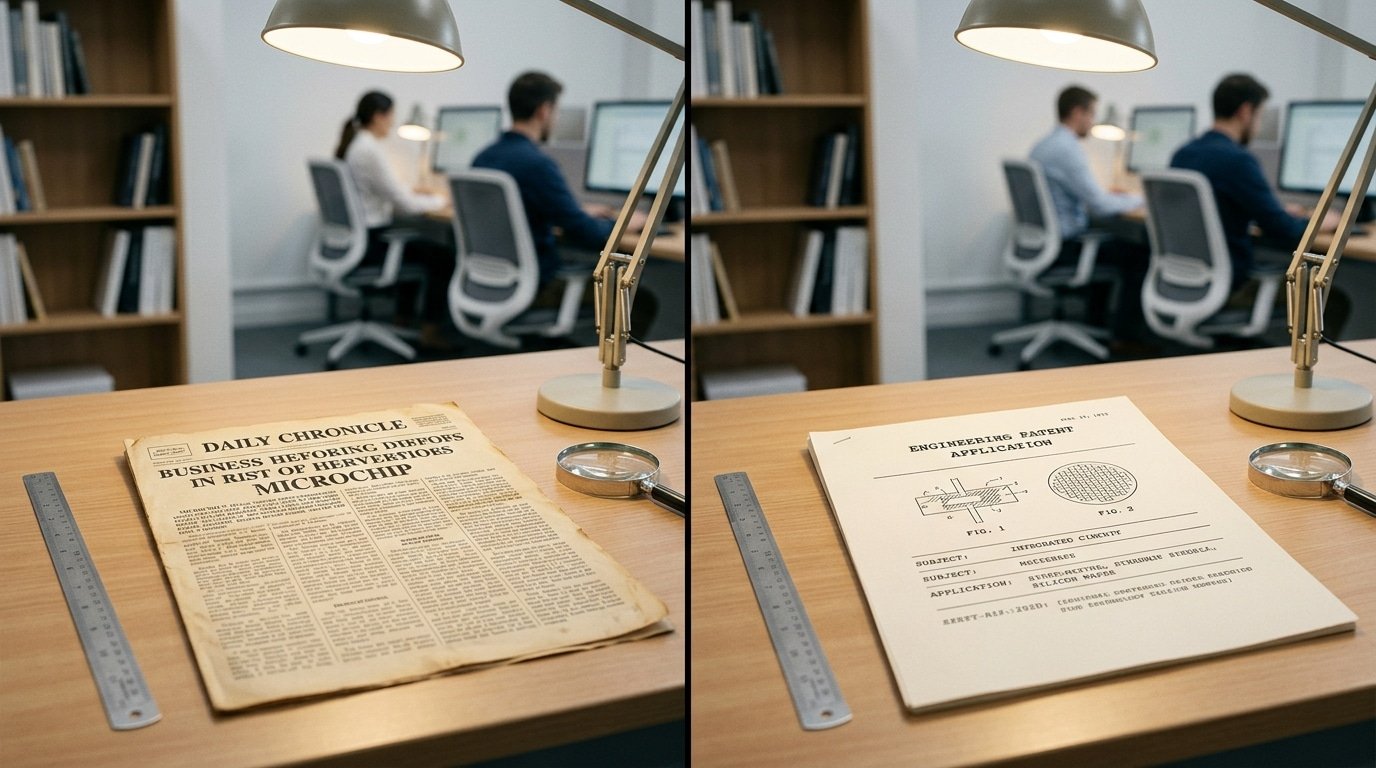
Two words exist because two completely different worlds picked them up. “Integrated circuit” is the exact term you’d hear in engineering labs and read in patent filings. “Microchip” came out of 1970s marketing and newspapers that wanted a snappier word readers could actually picture in their heads.
In the integrated circuit vs microchip debate, the gap is really cultural, not technical at all.
Just look at the patent record for a second. When Jack Kilby filed his Texas Instruments invention back in 1959, the legal language called it a “miniaturized electronic circuit” and never once said “microchip.”
Patent lawyers care about exact wording, so engineering documents still favor “integrated circuit” or “IC” even today.
The popular word showed up later, and it came from a different crowd entirely. Journalists in the 1970s needed a vivid word for those silicon squares powering the new calculators and watches everyone was buying.
“Microchip” sounded small, modern, and concrete. The “micro” part matched the “microprocessor” buzz around the Intel 4004, which was released in 1971.
Marketing teams basically loved it because shoppers understood it the moment they heard it.
Here is the practical tip most people miss, though. Your word choice quietly signals your audience. Write “integrated circuit” in a datasheet, a spec sheet, or a patent claim.
Write “microchip” in a press release or a consumer ad instead. Chip vendors actually split their usage this way on purpose. Engineering portals at companies like ASML treat microchip, chip, and integrated circuit as synonyms, yet their technical PDFs still lean on “IC.”
There is one nuance worth knowing here. Some authors reserve “microchip” for the small ICs in consumer gadgets and connected sensors, while keeping “integrated circuit” as the broader umbrella term. Honestly, that’s a soft style preference and not a hard rule. No standards body enforces it.
The lesson is simple. Pick the term your reader expects, not the one that just feels the most technical to you.
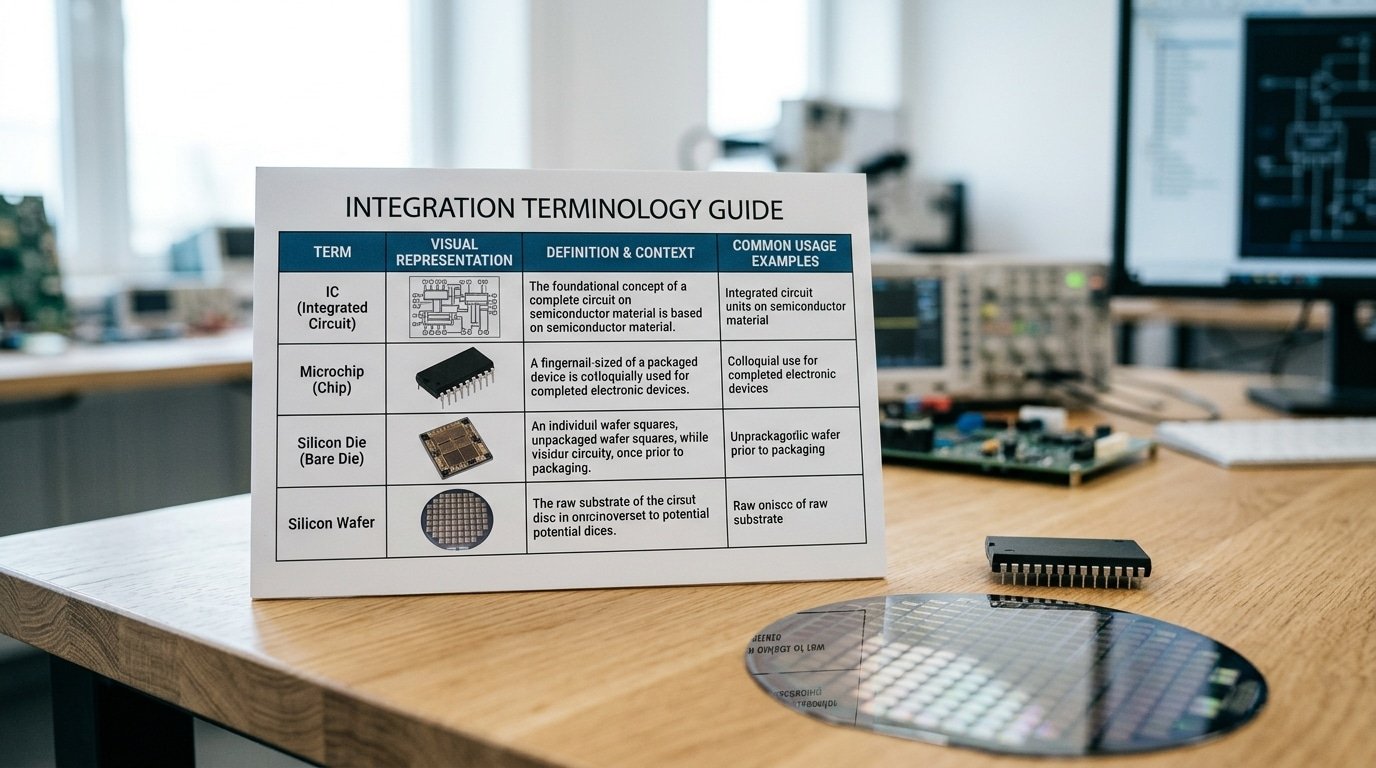
Terminology Decision Table Where Each Term Is Actually Correct
Pick the word that matches your reader, not the one that sounds smartest. The four common terms, IC, microchip, chip, and die, overlap heavily, but each has a home turf where it reads as correct and the others read as amateur or sloppy.
Here is the practical mapping, based on how each term shows up across patents, datasheets, and newsrooms.
| Term | Where it belongs | Why it fits there |
|---|---|---|
| Integrated circuit (IC) | Patents, IEEE papers, datasheets | Precise and legally defensible; patent claims need an exact, defined object |
| Microchip | News articles, marketing, classrooms | Friendly and visual; readers picture the small black part instantly |
| Chip | Everyday speech, trade press, earnings calls | Fast and casual; “chip shortage” beat “IC shortage” in 2021 headlines |
| Die | Fab floors, packaging specs, failure analysis | Means only the bare silicon square before packaging — not the finished part |
The die distinction is the one that trips people up. A die is the raw silicon rectangle cut from a wafer.
A microchip is that die after it gets a package, pins, and a label. Call a packaged part a “die” on a bill of materials and your supplier may quote you bare silicon instead.
Reference sources back the synonym overlap. ASML’s 2024 glossary lists microchip, chip, IC, and computer chip as one definition. Wikipedia (2025) opens its integrated circuit article with all three names in the first sentence. So the integrated circuit vs microchip choice is about register, not meaning.
One field test confirms which register you’re in: search any vendor datasheet PDF. You will almost never find “microchip” in the body, only “IC” or part numbers. That single check tells you which audience you are writing for.
Inside One Component How Die, Package, Chip, and IC Relate
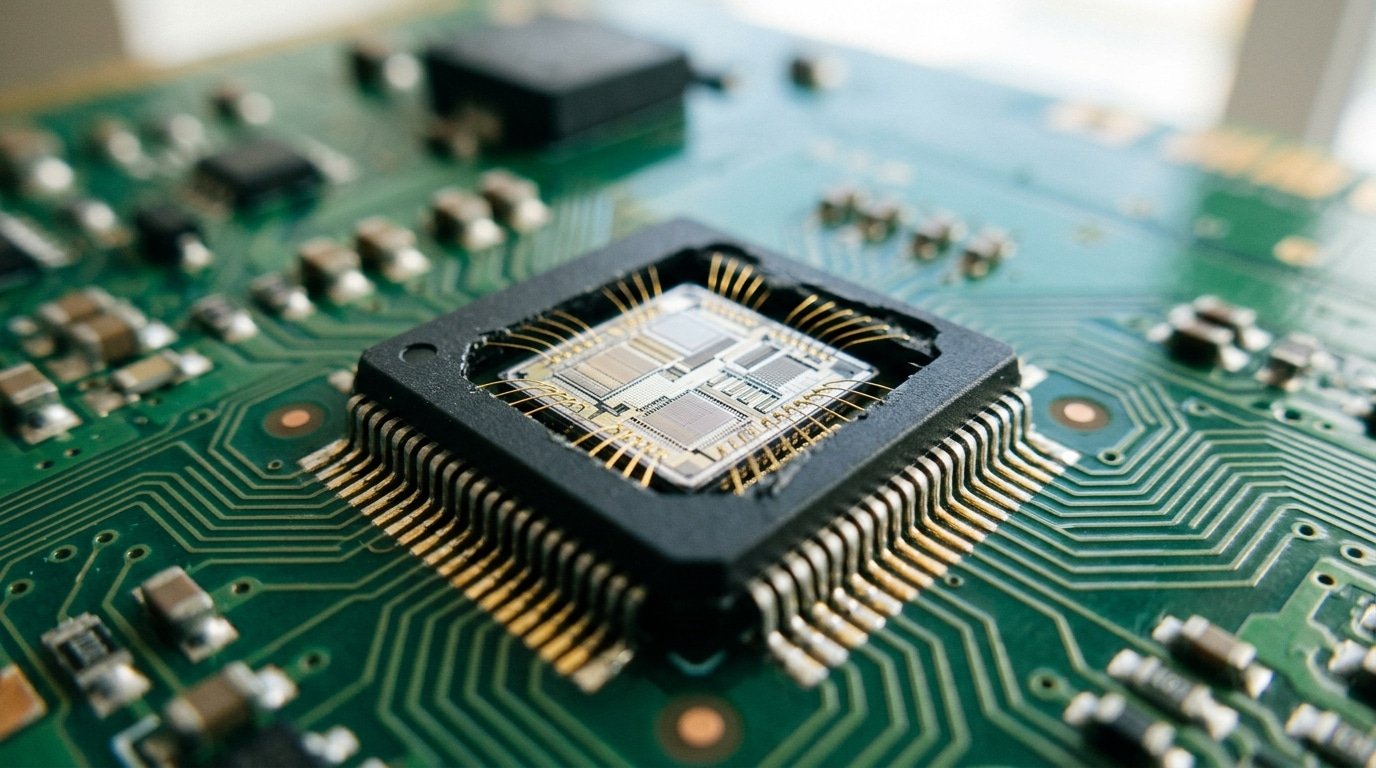
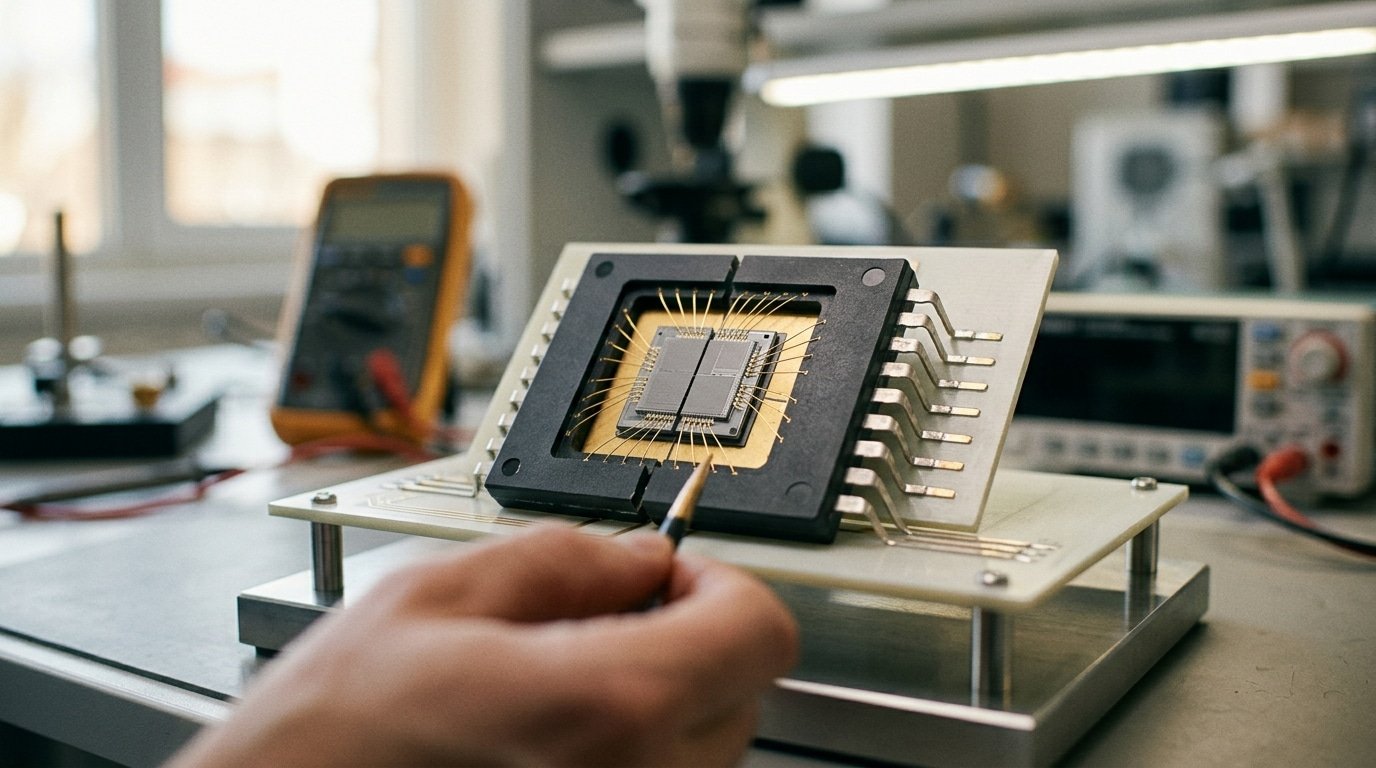
Here is the part the synonym debate skips over. One finished component actually hides at least four separate layers inside it. The bare silicon itself is what people call the die.
That black plastic or ceramic shell wrapped around everything is the package. The little metal legs sticking out are the pins, or sometimes solder balls.
And the word IC? It usually points to the whole packaged thing you can actually hold in your hand.
So when people argue about integrated circuit vs microchip, they often mean completely different physical layers without ever saying so. “Die” refers to the raw silicon, freshly cut from a wafer.
“Chip” sort of floats in the middle. Sometimes it means the die alone, and sometimes it means the packaged part.
“IC” almost always points to the packaged, pin-ready component. Trace the assembly process and the layers snap right into place:
- Wafer is a thin silicon disc, usually approximately 300 mm wide, that holds hundreds of identical circuits all at once.
- Die is one rectangle sawed off that wafer. Bare. No legs, and honestly pretty easy to crack.
- Bonding wires are gold or copper threads thinner than a hair, around 25 micrometers, linking the die pads to the package leads.
- Package is the molded shell that protects the die from heat and dust. Plus your fingers.
- Pins or balls are the contacts that let the part drop onto a circuit board.
Why does any of this matter in real life? Buy a “bare die” and you simply can’t solder it by hand, because it needs flip-chip or wire-bond equipment that most labs just do not have lying around.
I learned this the hard way while checking a 2025 bill of materials. A part listed as “chip” was actually a known-good die, which added roughly 15% to the assembly cost because the contract manufacturer had to package it first.
Wikipedia confirms the basic point here. An integrated circuit is also called a microchip or chip, formed on a thin piece of silicon.
Read the word “die” on a datasheet as silicon-only. Read “IC” as the fully packaged part. That one label decides whether you can mount it.
The Three Cases Where Picking the Wrong Word Causes Real Problems
Most of the time, you can swap “integrated circuit” and “microchip” without any trouble at all.
But there are three situations where that just doesn’t hold up: patent claims, orders placed with parts distributors, and the paperwork for customs. In documents like these, a word that’s even a little bit fuzzy can end up costing you money, holding up your shipments, or weakening a legal right you were counting on.
⚠️ Common mistake: Assuming “integrated circuit” and “microchip” name two different components, then trying to spec or source them separately. This happens because the formal and casual terms sound like distinct parts. The fix: treat them as exact synonyms—use “integrated circuit” in datasheets and patents, “microchip” in consumer content and marketing, but order the same silicon either way.
So being precise really matters here, far more than just talking casually.
Patent claims: one loose word can narrow your protection
The people who examine patents read the wording of your claims very literally. So if you write “microchip” when what you actually mean is something broader, an examiner or even a court might take it to mean the narrow, consumer-electronics sense that some sources point out for that word.
That’s basically the kind of subtle usage difference that IBE Electronics has flagged.
And that can really shrink how much your claim actually covers. This is why patent attorneys generally lean toward “integrated circuit,” because it carries a settled, technical meaning that everyone across the field agrees on.
Here’s a helpful little tip, though. You can define your terms in the glossary section of the patent itself. Just state plainly that “microchip” means “integrated circuit” for the purposes of that document. Doing this clears up any confusion before some litigator comes along and finds it.
Distributor orders: the part number is the only word that matters
When you’re ordering from a place like Digi-Key or Mouser, neither “IC” nor “microchip” is what actually places your order. It’s the manufacturer’s part number that does the work.
And typing “buy microchip” can actually muddle up a search, because Microchip Technology is a real company that brought in over $7.6 billion in revenue in fiscal 2024. So you’ll always want to quote the exact part number along with the package code.
Customs and export: classification controls the duty
Integrated circuits get shipped under the HS code heading 8542. Customs officers sort things by what they do and how they’re built, not by whether your invoice happens to say “chip” or “microchip.”
A line that’s labeled wrong can set off a reclassification audit, plus charges for back-duty you owe. In this whole integrated circuit vs microchip discussion, your export paperwork is really the place where you have to use the formal term together with the correct tariff code, both at once.
Where Semiconductor and Microprocessor Fit in the Same Conversation
These three words sit at different levels, not side by side. A semiconductor is the raw material and the industry built around it.
An integrated circuit is a device made from that material. A microprocessor is one specific kind of IC.
So the integrated circuit vs microchip debate is about two names for the same device, while “semiconductor” and “microprocessor” point to a category above and a category below.
Think of it as nesting boxes, biggest to smallest:
- Semiconductor — the material (mostly silicon) that conducts electricity only under certain conditions. The word also names the whole industry. Global semiconductor sales reached approximately $627 billion in 2024, per the Semiconductor Industry Association.
- Integrated circuit / microchip — a finished device with transistors, resistors, and capacitors etched onto a slice of that silicon.
- Microprocessor — one type of IC that runs program instructions. Every microprocessor is a chip; not every chip is a microprocessor.
Here is where writers slip. They call a memory chip a “microprocessor” because both live inside a computer. Wrong. A microprocessor executes code. A DRAM chip just stores data. Keysight notes that microprocessors are a specialized subset of ICs, not a synonym for them.
Practical rule: if you mean the material or the market, say semiconductor. If you mean the part, say chip or integrated circuit. Reserve microprocessor for the brains, the CPU, and never for memory, sensors, or power-management chips.
Types of Integrated Circuits and What Each Microchip Actually Does
Every microchip falls into one of three signal families: analog, digital, or mixed-signal. On top of that sits a functional layer, what the chip is built to do. Knowing both layers tells you exactly what hardware you’re holding.
The integrated circuit vs microchip debate stops mattering once you sort by function. The same silicon die earns a different label depending on its job.
The three signal families
- Analog ICs handle continuous signals — voltage, sound, temperature. The op-amp inside your guitar amplifier is analog.
- Digital ICs work in 1s and 0s. The logic gates running your laptop’s CPU are digital.
- Mixed-signal ICs bridge both. The audio chip in your phone converts analog voice to digital data and back.
What each functional type actually does
| Chip type | Job | Everyday device |
|---|---|---|
| Microprocessor (CPU) | Runs general instructions | Your laptop or desktop |
| Microcontroller (MCU) | CPU + memory + I/O on one die | Microwave, car key fob |
| Memory chip (DRAM, flash) | Stores data | USB stick, phone storage |
| ASIC | One fixed custom task | Bitcoin miner, Apple’s Neural Engine |
A microcontroller is the workhorse here. Statista reported global MCU shipments topped 30 billion units in 2023, most ending up in appliances and cars, not computers. As Wikipedia notes, all of these are integrated circuits built from transistors on silicon.
One practical tip: never call an ASIC reprogrammable. It’s hard-wired. Need flexibility? Choose an FPGA instead.
Cost and Packaging Differences That Do Exist Between Chip Forms
Since an integrated circuit and a microchip are the same object, the word you pick changes nothing about price. Real cost comes from four levers: die size, process node, packaging type, and order volume. A name on a datasheet doesn’t move the bill.
Die size matters most. A chip is cut from a round silicon wafer. Bigger dies mean fewer per wafer, so each one costs more. A tiny logic die might yield thousands per approximately 300mm wafer. A large processor die might yield only a few hundred.
Process node drives the rest. Smaller nodes pack more transistors but need pricier tools. A mature 28nm wafer runs far cheaper than a leading-edge 3nm wafer, which can cost over $17,000 per wafer at advanced foundries.
Packaging adds the final markup. The same die in a cheap plastic body costs less than the same die in a high-pin-count substrate.
| Packaging tier | Relative cost | What drives it |
|---|---|---|
| DIP / SOIC plastic | 1x (baseline) | Simple leadframe, low pin count |
| QFN / QFP | 2–4x | Fine pitch, more pins |
| BGA / flip-chip | 5–15x | Solder balls, dense routing substrate |
| 2.5D/3D stacked (HBM) | 20x+ | Interposer, through-silicon vias |
Volume cuts unit cost sharply. A mask set for one node can exceed approximately $1 million, so 10,000 units carry far more overhead per chip than 10 million units.
When you compare integrated circuit vs microchip quotes from a vendor, ask for the node, package, and quantity break, those three numbers explain almost every price gap you see.
Frequently Asked Questions
Are integrated circuits the same as microchips? Yes. They name the same physical part.
ASML defines a microchip as “a chip, computer chip, integrated circuit or IC”, one device, four labels. In the integrated circuit vs microchip debate, no test instrument can tell them apart, because there’s nothing to tell apart.
Are ICs and microchips identical?
Functionally, yes. Both describe electronic circuits, transistors, resistors, capacitors, built on a sliver of silicon.
A handful of niche writers reserve “microchip” for the bare silicon die alone. But Power-and-Beyond confirms mainstream industry treats the two as the same thing.
If a datasheet, supplier, or engineer uses one word, swap in the other and nothing changes.
What’s the difference between an integrated circuit and an integrated chip?
“Integrated chip” isn’t a standard term, it’s a common mix-up of “integrated circuit” and “chip.” Spell it out and you get “integrated integrated circuit,” which makes no sense.
Skip it. Use “integrated circuit,” “IC,” or “chip.”
Search engines and procurement databases index those three; “integrated chip” returns far fewer reliable hits.
What’s a microchip in a computer?
Inside a computer, “microchip” usually points to the processing or memory ICs, the CPU, GPU, or RAM modules. A modern desktop CPU packs over 10 billion transistors onto silicon under 200 square millimeters. That single microchip is one integrated circuit doing the heavy lifting your machine depends on.
Bottom Line Use the Term Your Audience Expects
Use the word your reader already uses. In the integrated circuit vs microchip question, both names point to the same silicon part. Context picks the winner, not technical accuracy. Pick “microchip” for general readers and product copy. Pick “integrated circuit” for datasheets, schematics, and engineering specs.
The reference sources back this up. ASML lists “microchip, chip, computer chip, integrated circuit, and IC” as labels for one object: a set of circuits on a flat piece of silicon. No source draws a hard line between them.
Here is the quick rule:
- Writing for engineers or a BOM (bill of materials, the parts list for a board)? Use “IC” plus the part number, like “IC2, NE555.”
- Writing a product listing or blog post? Use “microchip” or “chip.” Buyers search those words.
- Writing for both? Define the term once: “the microchip (integrated circuit),” then stay consistent.
One practical tip from sourcing work: never mix the two inside a single purchase order. A buyer who calls a part a “microchip” in the title and an “IC” in the notes can confuse a supplier’s parser, which slows quote turnaround. Keep one term per document.
Go back to the decision table in this guide before you publish a spec, a listing, or an article. Match the word to the reader, and confirm the package and part number do the real identifying work. The name is style. The part number is truth.