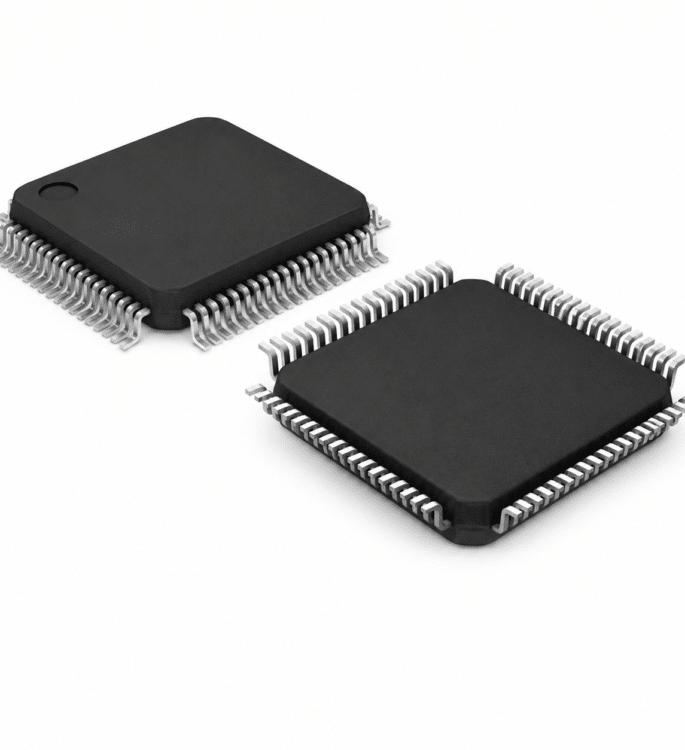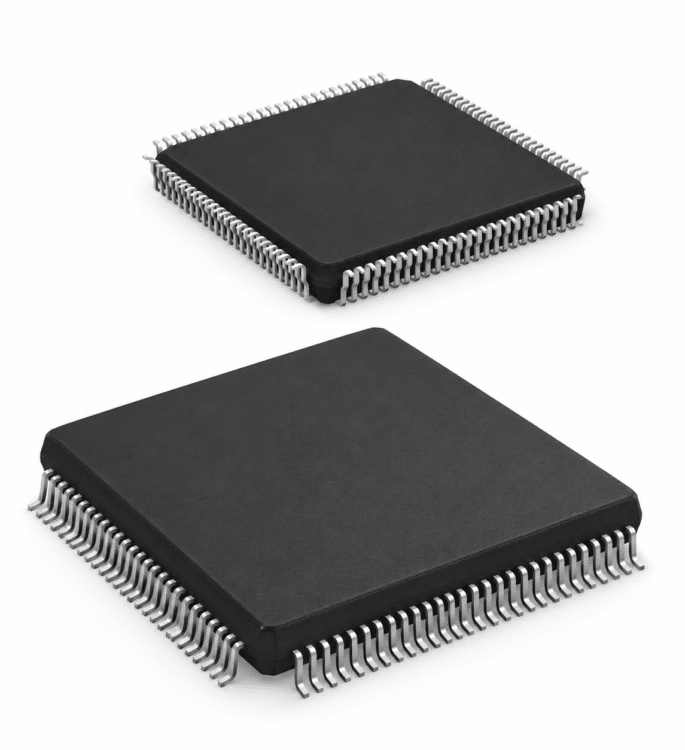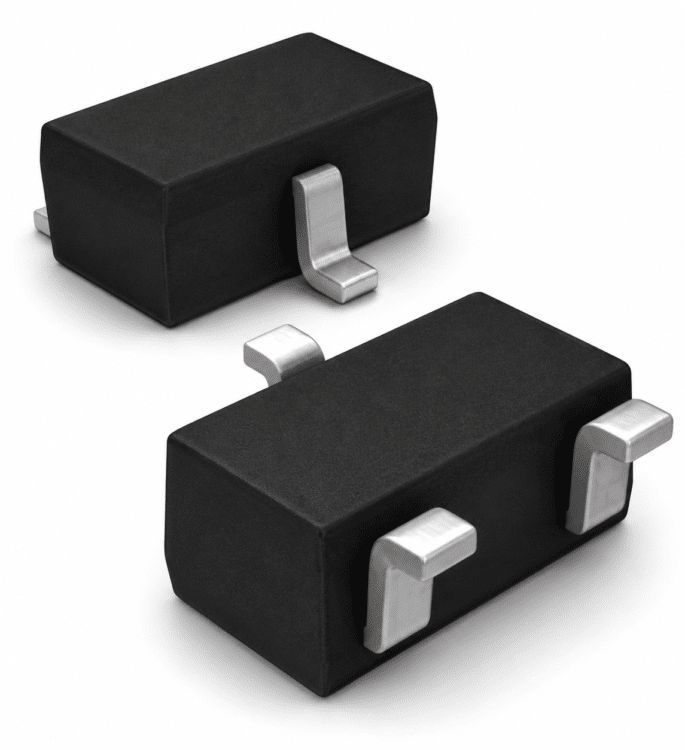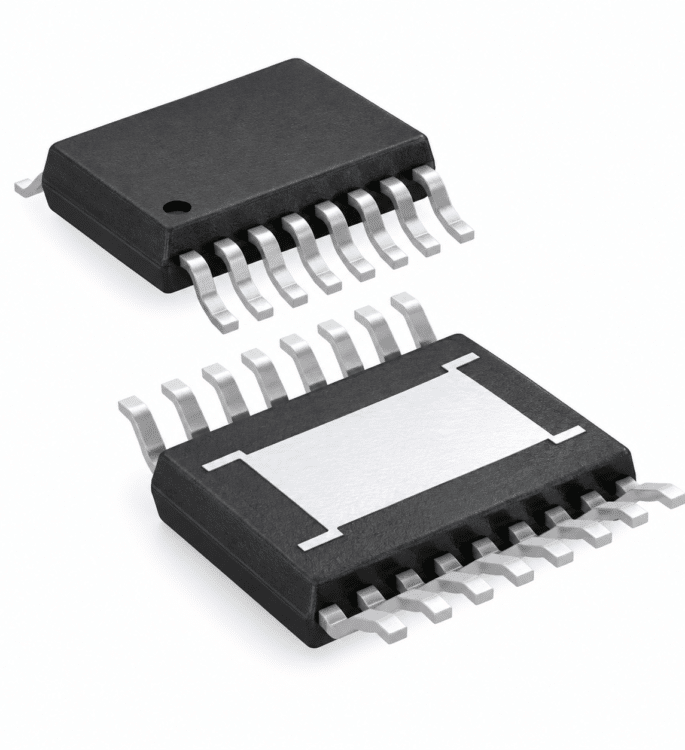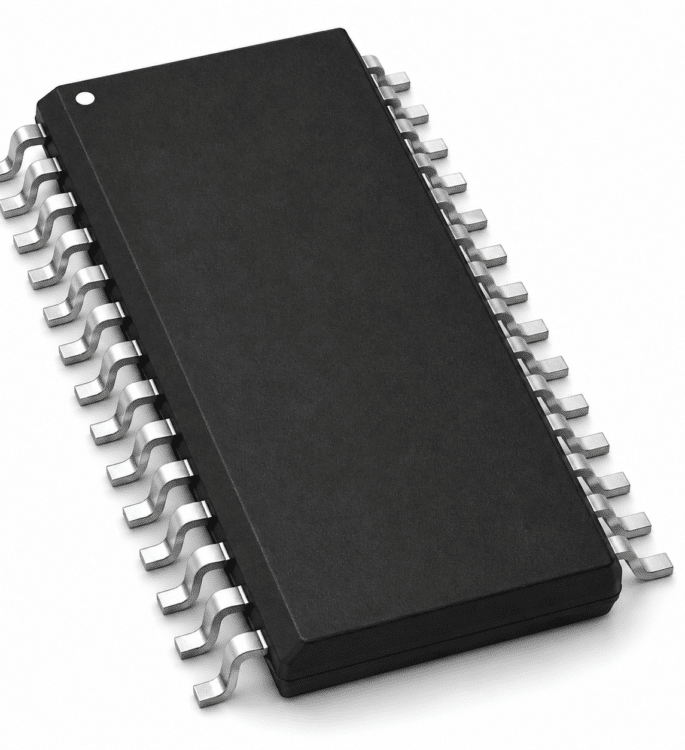


RoHS compliant electronic chip suppliers must provide a downloadable RoHS 3 (Directive 2015/863) certificate, full substance-level material declarations, and traceable test data per part number. Silicon Labs, for example, certifies that all its IC, SiP, and PCB module devices meet EU RoHS 3 and China RoHS II, with no intentionally added Cd, Hg, Cr+6, PBB, PBDE, DEHP, BBP, DBP, or DIBP. Compliance requires staying under 0.1% by weight per homogeneous material for nine substances and approximately 0.01% for cadmium—measured at the material level, not the package average.
That single document shows what serious vendors look like, and what you should demand from any partner.
To find reliable RoHS compliant electronic chip suppliers, start with three checks: a downloadable RoHS 3 (Directive 2015/863) certificate, full material declarations down to the substance level, and traceable test data per part number. Skip suppliers who only say “RoHS compliant” without paperwork.
The next sections show you exactly how to verify each one and avoid counterfeit or mislabeled parts.
Quick Takeaways
- Demand a downloadable RoHS 3 (Directive 2015/863) certificate from every chip supplier.
- Verify full substance-level material declarations, not just generic “RoHS compliant” claims.
- Require traceable test data tied to each specific part number.
- Check limits: approximately 0.1% per homogeneous material, 0.01% for cadmium.
- Confirm all 10 substances tested, including four phthalates added by RoHS 3.
What RoHS Compliance Means For Electronic Chips
RoHS compliance means a chip contains none of 10 restricted hazardous substances above legal limits. The cap is approximately 0.1% by weight per homogeneous material for nine of them, and a stricter approximately 0.01% for cadmium.
RoHS compliant electronic chip suppliers must meet these thresholds at the material level, not the package average.
The original six substances were lead, mercury, cadmium, hexavalent chromium, and two flame retardants (PBB and PBDE). RoHS 3, under Directive 2015/863, added four phthalates: DEHP, BBP, DBP, and DIBP.
Phthalates are plasticizers that soften plastics, and they sit in cable jackets and some package coatings, places a metals-only test will miss.
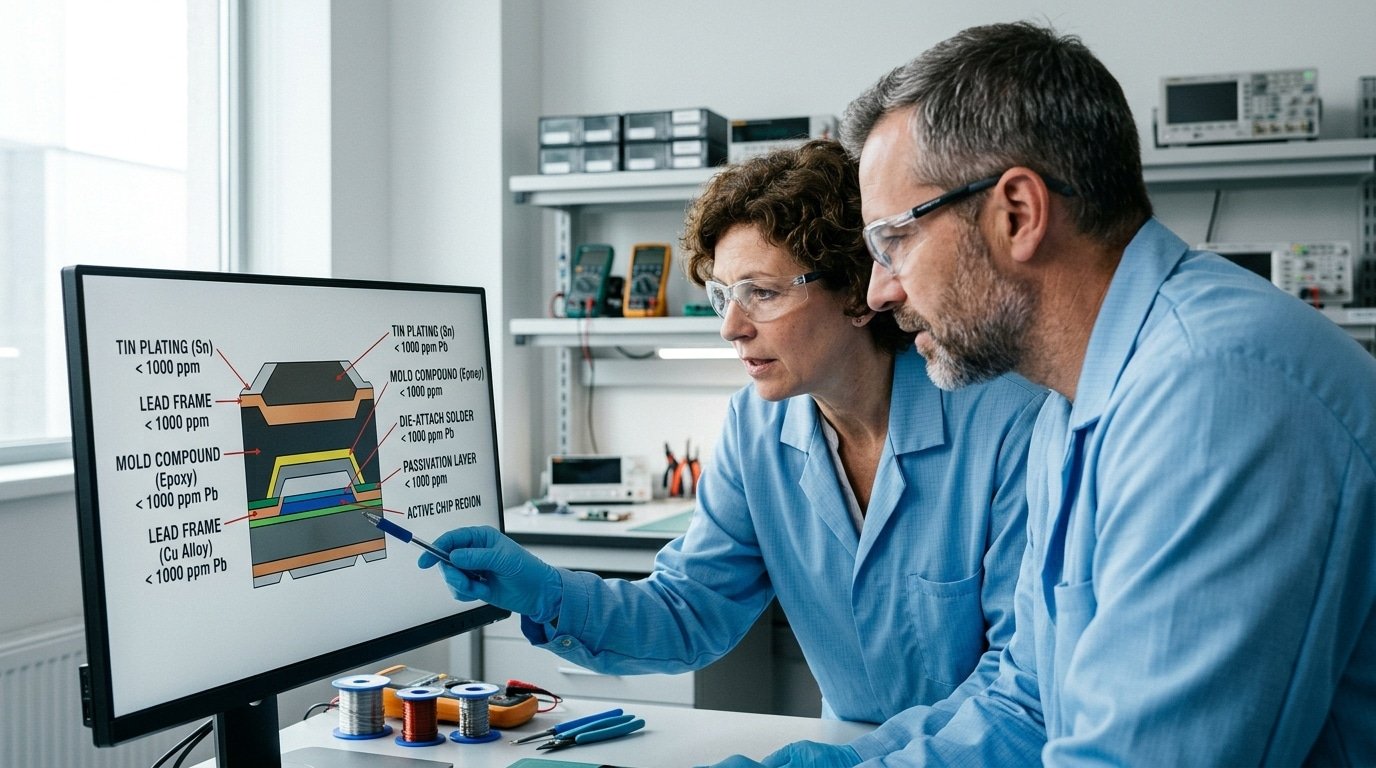
Here is the trap most buyers miss. “Homogeneous material” means each individual material that can be mechanically separated, like the tin plating on a lead frame, the mold compound, or the die-attach solder.
Each one must pass on its own. A chip can’t dilute a high-lead solder ball by averaging it against the whole body weight.
Because the test runs at that material level, component-level data matters more than board-level claims. Microchip, for example, marks RoHS-compliant parts with an ‘e3’ suffix and keeps lead below approximately 0.1%.
A finished PCB inherits compliance only if every chip, solder, and finish on it passes. One non-compliant capacitor breaks the whole board.
Who Actually Provides RoHS Certification And Why Self-Declaration Is The Norm
Here’s something a lot of people get wrong. No government agency hands out a RoHS certificate. RoHS actually runs on the maker declaring it themselves.
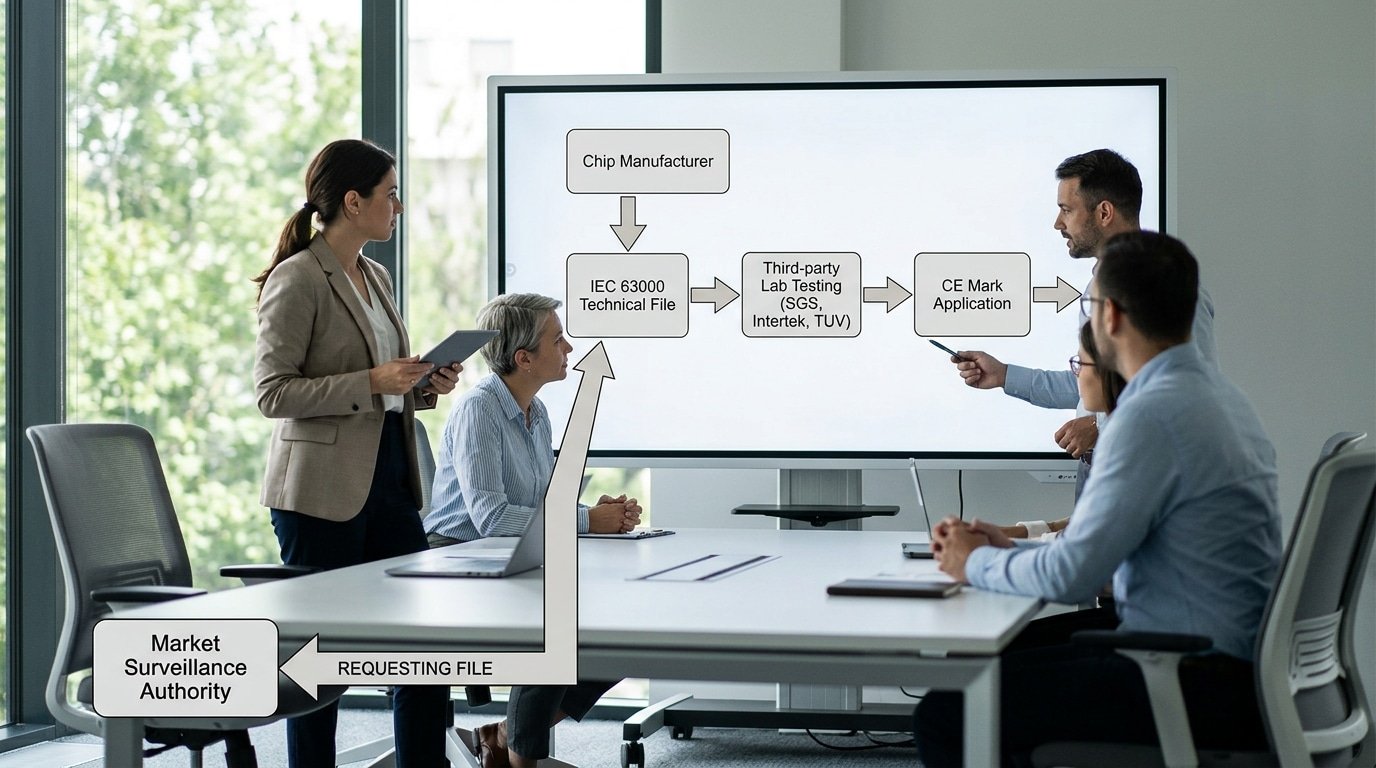
The maker puts the CE mark on the product, builds a technical file under a standard called IEC 63000, and then signs an EU Declaration of Conformity, or DoC for short. That signed declaration is the legal proof. It’s not a stamp from some regulator.
So buyers who go looking for a “RoHS license number” are basically chasing something that doesn’t even exist.
Let me walk you through how this actually works. Under Directive 2011/65/EU, the producer carries the full responsibility.
The CE mark sitting on a product is essentially the maker’s promise that the part meets every EU rule that applies, RoHS included. And IEC 63000 is the standard that spells out what belongs inside that technical file.
That means supplier declarations and material data sheets. Plus the test results too.
The manufacturer holds onto this file for 10 years. They only show it when a market watchdog actually comes asking.
So where do labs like SGS, Intertek, and TÜV come into all this? Well, they’re completely voluntary, not mandatory.
Dependable RoHS compliant electronic chip suppliers will often pay these outside labs to run material scans and wet chemistry tests, which is the ICP-OES method, then they reference those reports inside the technical file. The lab report makes the declaration stronger, though it doesn’t really replace it.
A TÜV test certificate is just evidence. The manufacturer’s signed DoC is the real legal instrument.
You can actually watch this self-declaration play out with the big suppliers. Silicon Labs declares back in 2026 that all of its chips, system-in-package parts, and circuit board modules comply with EU RoHS 3, which is Directive 2015/863, and China RoHS II as well.
They confirm that substances like cadmium, mercury, and the four restricted plastic softeners called phthalates aren’t added on purpose.
That document is a company-signed declaration, honestly. It’s not a license that Brussels handed over.
So when a supplier sends you a “certificate,” go read the signature line. A vendor declaration backed by SGS lab data is solid. A vendor declaration with no test evidence behind it is really just a promise and nothing more.
The Compliance Documents To Demand Before Placing An Order
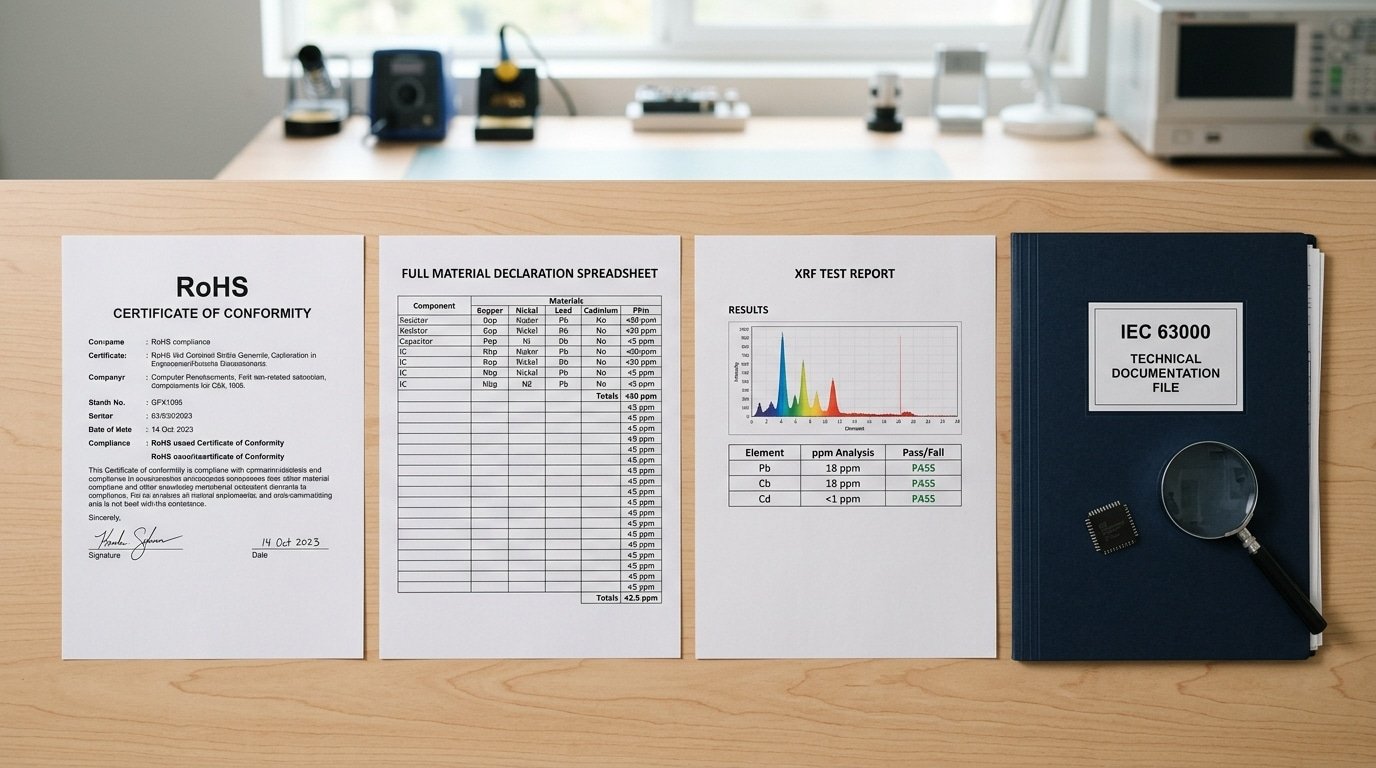
A serious supplier hands you four documents: a Certificate of Conformity (CoC), a Full Material Declaration (FMD), an IEC 63000 technical documentation file, and lab test reports (XRF or ICP). A one-line email saying “yes, RoHS compliant” is worthless. If a supplier can’t produce these on request, walk away.
The CoC is the supplier’s signed statement. It must name the exact part number, cite the directive version, EU RoHS 3 (Directive 2015/863), list any exemptions used, and carry a signature, date, and company stamp.
onsemi’s conformance report, for example, names exemptions like 7a for lead in high-melting-temperature solders and 15 for lead in flip-chip die connections. Generic CoCs that skip exemptions hide real problems.
The FMD goes deeper. It breaks the chip into homogeneous materials and reports the concentration of each restricted substance in parts per million (ppm).
RoHS limits sit at 1,000 ppm for most substances and 100 ppm for cadmium. A real FMD shows numbers per material; a fake one shows blanks.
Test reports prove the claim. XRF screening (a quick X-ray scan) flags suspect parts; ICP testing (lab digestion) confirms exact ppm levels, including the four phthalates that XRF can’t read.
Demand reports under 12 months old, tied to your specific lot. The IEC 63000 file ties it all together, it’s the standard that replaced EN 50581 for proving RoHS technical documentation.
Trustworthy RoHS compliant electronic chip suppliers keep these files current and share them without stalling.
A Step By Step Framework To Vet A RoHS Compliant Chip Supplier
Here’s how I vet a supplier, in five steps that go in order. First, confirm they’re a real legal business.
Then ask for declarations tied to each exact part number and date code. After that, cross-check those declarations against the manufacturer’s own records, verify how recent the lab testing is, and finally look at the records that trace where the part came from.
Skip any one of these and you take on the risk yourself.
This same approach works whether you’re buying 50 units or 50,000.
Step 1, Confirm the legal entity. Pull their business registration number and make sure it matches the name printed on the invoice. A franchised distributor, meaning one officially appointed by the chip maker, will show up on that maker’s authorized list.
An independent broker won’t appear there. That by itself isn’t a reason to walk away, though it does mean you should check everything else more carefully.
Step 2, Demand declarations by exact MPN and date code. A vague line like “all our parts are RoHS compliant” is basically worthless.
Ask instead for the declaration tied to the precise manufacturer part number and the date code, which is the YYWW stamp telling you when the chip was actually made.
Compliance can change from one version of a part to the next.
Step 3, Cross-check against the maker’s database. Most of the big manufacturers publish data for each part. Microchip confirms that all of its IC and module products meet RoHS rules, and it marks that compliance with an “e3” suffix on the part itself.
If the broker’s claim doesn’t line up with the maker’s official record, stop right there.
Step 4, Check test recency. A lab report dated 2019 is just too old to trust. Good RoHS compliant electronic chip suppliers re-test on a rolling basis, meaning they keep checking again and again over time.
Make sure the homogeneous material analysis, done either by XRF or by wet chemistry, is recent and that it names an accredited lab.
Step 5, Audit traceability. Ask for the unbroken chain showing how the part traveled from the original maker all the way to your loading dock. No paper trail? Then there’s really no proof the chip is what the label claims it to be.

How To Spot Fake RoHS Claims And Counterfeit Non-Compliant Chips
Catch fake claims with four layers of verification: XRF spot-testing on receipt, date code and lot cross-checks, demanding the actual IEC 63000 technical file behind any Certificate of Conformity, and lab confirmation for high-risk lots. A price far below the distributor floor is the loudest warning sign.
⚠️ Common mistake: Accepting a supplier’s “RoHS compliant” claim based on package-average measurements. This happens because averaging across the whole part hides hot spots—a solder joint can exceed approximately 0.1% lead while the package average stays under limit. The fix: demand substance-level declarations measured per homogeneous material (approximately 0.1% for nine substances, 0.01% for cadmium), with traceable test data tied to each part number.
Skip none of these for parts feeding EU-bound products.
XRF spot-test every incoming lot. A handheld X-ray fluorescence gun screens for lead, cadmium, and mercury in 30,60 seconds per part. It reads metals well but can’t detect the four restricted phthalates (DEHP, BBP, DBP, DIBP), which need chemical analysis.
Rental units run roughly $150,$300 per day; a single XRF screen at a service lab costs about $50,$120 per sample.
Match the date code and lot code on the device against the paperwork. Counterfeiters resurface old chips and reprint markings, so a 2019 die in a “2025” package is a dead giveaway. Trustworthy RoHS compliant electronic chip suppliers never refuse a traceable lot record.
Many sellers email a CoC but stall when you ask for the IEC 63000 technical documentation file that legally backs the declaration. No file means no real compliance.
For high-risk or safety-critical lots, pay for decapsulation plus ICP-MS (inductively coupled plasma mass spectrometry, which measures element levels precisely), expect approximately $400,$1,200 per part.
Onsemi’s conformance report confirms its active products stay below phthalate limits, a genuine supplier file looks like that, not a one-line claim.
Region-Specific RoHS Variations That Change Supplier Requirements
A supplier compliant with EU RoHS 3 may still fail to meet China RoHS 2 rules. The directives share the same 10 restricted substances, but they differ on labeling, exemptions, and proof.
EU RoHS uses self-declaration and a CE mark. China RoHS 2 demands a printed logo and a substance disclosure table.
UK RoHS mirrors the EU but uses a separate UKCA mark since Brexit.
The biggest trip-up is China’s EFUP logo. EFUP means Environmental Friendly Use Period, a number inside a circular arrow showing how many years a product stays safe before substances might leak.
Most chips carry a green “e” logo (no restricted substances above limits) or an orange number like “25” or “50” (contains restricted substances but safe for that many years). EU RoHS has no such mark at all.
Exemptions also split the markets. onsemi’s conformance report lists exemption 7a (lead in high-melting solders) and 15 (lead in flip-chip die connections) under Directive 2011/65/EU. China RoHS 2 doesn’t automatically accept the same EU exemption list, so a part legal in Frankfurt can be questioned in Shenzhen.
| Feature | EU RoHS 3 | China RoHS 2 | UK RoHS |
|---|---|---|---|
| Legal basis | Directive 2011/65/EU + 2015/863 | GB/T 26572 standard | UK SI 2012/3032 |
| Conformity mark | CE mark | EFUP logo + table | UKCA mark |
| Substance disclosure | Not required on product | Mandatory table required | Not required on product |
| Exemption list | Annex III/IV (EU-defined) | Separate national list | Inherited from EU, diverging |
When you screen RoHS compliant electronic chip suppliers, ask which markets their declaration covers. Silicon Labs confirms its devices meet both EU RoHS 3 and China RoHS II, that dual coverage is what you want in writing.
Comparing Authorized Distributors, Franchised Reps, And Independent Brokers
For RoHS compliant electronic chip suppliers, four channels exist: franchised distributors, manufacturer-direct, authorized regional partners, and independent brokers. Franchised distributors and manufacturer-direct give you the cleanest traceability and lowest counterfeit risk.
Independent brokers fill stock gaps fast but carry the highest verification burden. Match the channel to your risk tolerance and order urgency.
A franchised distributor buys straight from the chip maker. That unbroken chain means the part you receive is the part the manufacturer made.
Manufacturer-direct goes one step further, you order from Silicon Labs or another fab and get the original Certificate of Conformity covering EU RoHS 3 and China RoHS II, but lead times stretch to weeks rather than days.
| Channel | Traceability | Doc depth | Counterfeit risk | Lead time | Best for |
|---|---|---|---|---|---|
| Franchised (DigiKey, Mouser, Arrow) | Full chain to fab | CoC + Full Material Declaration | Near zero | 1–5 days | Production runs needing audit-ready docs |
| Manufacturer-direct | Source itself | Original certificates | None | 4–12 weeks | High-volume, custom parts |
| Authorized regional partner | Strong, local | Region-matched docs | Low | 2–10 days | China RoHS 2 or local-language paperwork |
| Independent broker | Variable, must verify | Often resold, gaps common | High | Same day–2 days | Obsolete or allocated parts only |
One rule from buyers who’ve been burned: use brokers only when no franchised stock exists. Demand XRF test reports and date-code photos before payment. Skip the broker if the part is still in production at DigiKey. The price savings rarely cover the cost of a counterfeit recall.
Red Flags And Real Risks When Sourcing From Unverified Suppliers
Sourcing from an unverified supplier can cost you six figures in one non-compliant lot. A single batch of chips with lead above the approximately 0.1% limit can trigger a product recall, customs seizure, and CE mark liability. The financial exposure dwarfs whatever you saved on the cheaper part.
Picture this documented-style scenario. A contract manufacturer orders 5,000 microcontrollers from a broker offering a 40% discount.
The broker supplies a generic blanket Certificate of Conformity (CoC), one paragraph claiming “all products are RoHS compliant,” with no part number and no date code. Production runs.
Then a customs inspection at an EU port pulls a sample, runs XRF (X-ray fluorescence, a non-destructive test that reads element levels), and finds lead at approximately 0.18%, nearly double the approximately 0.1% limit.
The lot is seized. The finished goods already shipped get recalled. Under the EU RoHS Directive, the company holding the CE mark, not the broker, carries legal liability. Recall logistics, rework, and legal fees commonly exceed the original order value by 10 to 20 times.
Watch for these concrete red flags when evaluating RoHS compliant electronic chip suppliers:
- Refusal to name the chip manufacturer. A legitimate seller tells you whose silicon it’s — for example, a Microchip part with the ‘e3’ RoHS suffix.
- Generic blanket CoCs. No part number, no lot reference, no signature.
- No date code traceability. You can’t tie the physical chips back to a manufacturing run.
Ignore these signs and you inherit the manufacturer’s compliance burden without the manufacturer’s documentation. That’s the worst trade in procurement.
Frequently Asked Questions About RoHS Compliant Chip Suppliers
Buyers ask the same five questions before they place a purchase order. Here are direct, snippet-ready answers based on real supplier documents and current EU directives.
What does RoHS compliant mean in electronics?
It means a chip contains none of 10 restricted substances above legal limits set by EU Directive 2015/863 (RoHS 3). Semiconductor makers often signal this on the part number itself. Microchip, for example, uses an ‘e3’ suffix to flag RoHS-compliant parts with lead held under 0.1%.
Who provides RoHS certification?
No agency. Manufacturers self-declare and back it with a Certificate of Conformity plus material test data, often XRF screening (a beam test that reads element levels without destroying the part).
How does RoHS relate to REACH?
RoHS restricts 10 substances in finished electronics. REACH covers roughly 240+ Substances of Very High Concern across all products. A chip can pass RoHS yet still trigger REACH reporting if it holds an SVHC above approximately 0.1% by weight.
Does RoHS 3 change REACH status?
No. The two run on separate substance lists. Passing RoHS 3 doesn’t satisfy REACH, so demand both declarations.
How do I find RoHS suppliers in the USA?
Start with franchised distributors and platforms like Thomasnet’s lead-free RoHS supplier directory, then verify each candidate against the five-step framework above. The pool of RoHS compliant electronic chip suppliers is wide, so vet hard.
Putting Your Supplier Vetting Playbook Into Action
Run every supplier through this seven-point check before you cut a purchase order. Each step maps to an earlier section, so use it as your final gate.
- Confirm the legal entity — verify the registered business name, not just a website.
- Demand four documents — CoC, Full Material Declaration, FMD/XML data file, and lot-specific test report.
- Match the part number exactly — declarations must name your specific marking, not a generic family.
- Check the directive version — EU RoHS 3 (2015/863) plus China RoHS II if you ship to Asia.
- Read claimed exemptions — watch for lead exemptions like 7a (high-melting solders) and 15 (flip-chip die attach), per onsemi’s conformance report.
- Verify the channel — franchised distributor or factory direct beats an unknown broker.
- Test the first lot — XRF (X-ray fluorescence, a tool that reads element levels in seconds) on incoming goods.
Build a documented approved-vendor list (AVL). Record each supplier’s entity name, channel type, document dates, and last audit. An AVL turns one-off checks into a repeatable control your quality team can audit. It also shifts liability records onto paper if a customs hold ever hits.
Stock your list with verifiable RoHS compliant electronic chip suppliers like Silicon Labs, whose IC, SiP, and PCB modules meet both EU RoHS 3 and China RoHS II.
Two actions today: request part-specific declarations from your top three vendors, and run an XRF spot-check on your next incoming lot. Lead above approximately 0.1% by homogeneous material weight means reject the shipment.
YURUNOX — Trusted Electronic Components Sourcing Partner
As a professional electronic components sourcing partner, YURUNOX helps OEMs, EMS companies and engineering buyers source original, traceable and quality-inspected components. Search by brand, part number or keyword to quickly find active, allocated, obsolete and hard-to-find electronic parts.
- ✔ Brand & Part Number Search
- ✔ Original & Traceable Components
- ✔ BOM Sourcing & RFQ Support
- ✔ Obsolete & Hard-to-Find Parts