
Multi-Brand BOM Procurement Guide
Turn a mixed-manufacturer BOM into a reviewable purchasing plan by clarifying every line item, separating mandatory requirements from preferences, comparing supply and commercial conditions, controlling alternate approvals, and coordinating quality evidence and delivery.
Keep Manufacturer Requirements Visible
Preferred brands, fixed manufacturers, approved alternates, and line-level restrictions should remain attached to the correct part throughout sourcing and approval.
Browse Brand Solution Pages


Different BOMs Need Different Priorities
A prototype, recurring production BOM, shortage-recovery list, and legacy service requirement can use the same purchasing framework, but the quantities, timing, alternate authority, evidence, and release decisions differ.
Prototype & Pilot BOM
Confirm exact functional need, package compatibility, small usable quantities, lead time, and whether engineering-approved alternatives are allowed.
Production BOM
Align preferred manufacturers, price breaks, forecasts, packing formats, quality scope, delivery cadence, and repeat-order context.
Shortage BOM
Prioritize build-blocking lines, open quantities, minimum useful releases, alternate candidates, evidence, and target dates.
Legacy & EOL BOM
Review lifecycle status, remaining demand, source and lot condition, traceability context, suitable testing, and redesign timing.
Give Every BOM Line a Purchasing Specification
Family names, incomplete suffixes, mixed units, duplicate rows, unclear manufacturers, and missing alternate rules create avoidable clarification. Begin with the information you have, then make decision-critical gaps visible.
Exact Identity
Manufacturer, complete MPN, package, suffix, grade, revision context, packing format, and original description.
Demand
Required quantity, annual or project forecast, price-break quantities, minimum usable amount, and priority.
Timing & Destination
Required date, build milestones, staged-delivery options, ship-to location, and receiving requirements.
Manufacturer & Alternate Rules
Fixed manufacturer, preferred brand, approved list, prohibited substitutions, candidate-review authority, and approver.
Quality & Commercial Needs
Condition, date or lot preference, documents, inspection, tests, currency, payment, validity, freight, and exceptions.
A Seven-Step Multi-Brand Procurement Workflow
Keep every clarification, offer, alternate, evidence package, exception, and delivery decision connected to the correct line item.
Receive the BOM
Accept the available spreadsheet, CSV, PDF, TXT, or pasted list.
Normalize Lines
Separate line numbers, exact MPNs, brands, quantities, units, dates, and restrictions.
Review Supply
Check quantity, timing, source basis, condition, lot context, and open questions.
Control Alternates
Keep exact offers and candidate substitutions visibly separated.
Agree Evidence
Match inspection and records to the component, source, and buyer risk.
Approve the Offer
Compare commercial, supply, quality, timing, and exception fields.
Release & Deliver
Coordinate packing, staged shipment, documents, destination, and tracking.
Give Every Line a Clear Status and Next Action
A BOM should not look complete when critical lines are still under review. Use a line-level status that exposes what the buyer, sourcing team, engineering team, or quality reviewer must do next.
Use the same decision language throughout the order.
| Line | Requirement | Supply Status | Next Action |
|---|---|---|---|
| 001 | Exact MPN / fixed brand | Exact offer | Review commercial and evidence fields |
| 002 | 10,000 pcs / staged build | 6,000 available | Confirm minimum release and later quantity |
| 003 | Preferred brand / alternate allowed | Candidate proposed | Engineering comparison and approval |
| 004 | Incomplete ordering suffix | Clarification | Confirm package, grade, and packing code |
| 005 | Legacy service demand | Supply gap | Review remaining stock and EOL route |
Compare More Than the Extended Price
Two BOM quotes can show the same total while using different quantities, part identities, supply conditions, validity windows, evidence scopes, freight assumptions, and delivery schedules.
Identity Match
Exact manufacturer and MPN, package, grade, suffix, packing, revision context, and alternate status.
Quantity Basis
Full, partial, price-break, split, minimum release, allocation, and forecast basis.
Supply & Timing
Availability assumptions, source and condition, lead-time basis, target date, and staged delivery.
Commercial Terms
Currency, unit basis, breaks, validity, payment, taxes, freight, and exceptions.
Quality Evidence
Lot context, labels, packaging, traceability, inspection, test scope, report, and release criteria.
Delivery Handoff
Consolidation plan, protective packing, documents, carrier, destination, tracking, and receiving.
Treat Cross-References as Candidates
A similar description, function, or footprint does not make a component interchangeable. Keep an alternate proposal separate from an exact offer until the customer's engineering and approval process is complete.
Exact Requirement
Keep the original manufacturer, complete MPN, package, grade, suffix, and approved context visible.
Candidate Difference
Identify changes in function, ratings, timing, package, pinout, software, qualification, and lifecycle.
Validation Scope
Define required samples, board or system testing, documentation, responsible team, and timing.
Approval Status
Record proposed, under review, approved for a defined use, rejected, or restricted to specific conditions.
Connect Line Approval to the Delivered BOM
Use line-specific quality requirements and a coordinated shipment plan so the approved evidence, packing, documents, quantities, and destinations remain connected at receiving.

Match Evidence to the Component and Risk
Package type, source route, lifecycle, available samples, acceptance criteria, and application risk can change the inspection and evidence plan.
Review Quality Assurance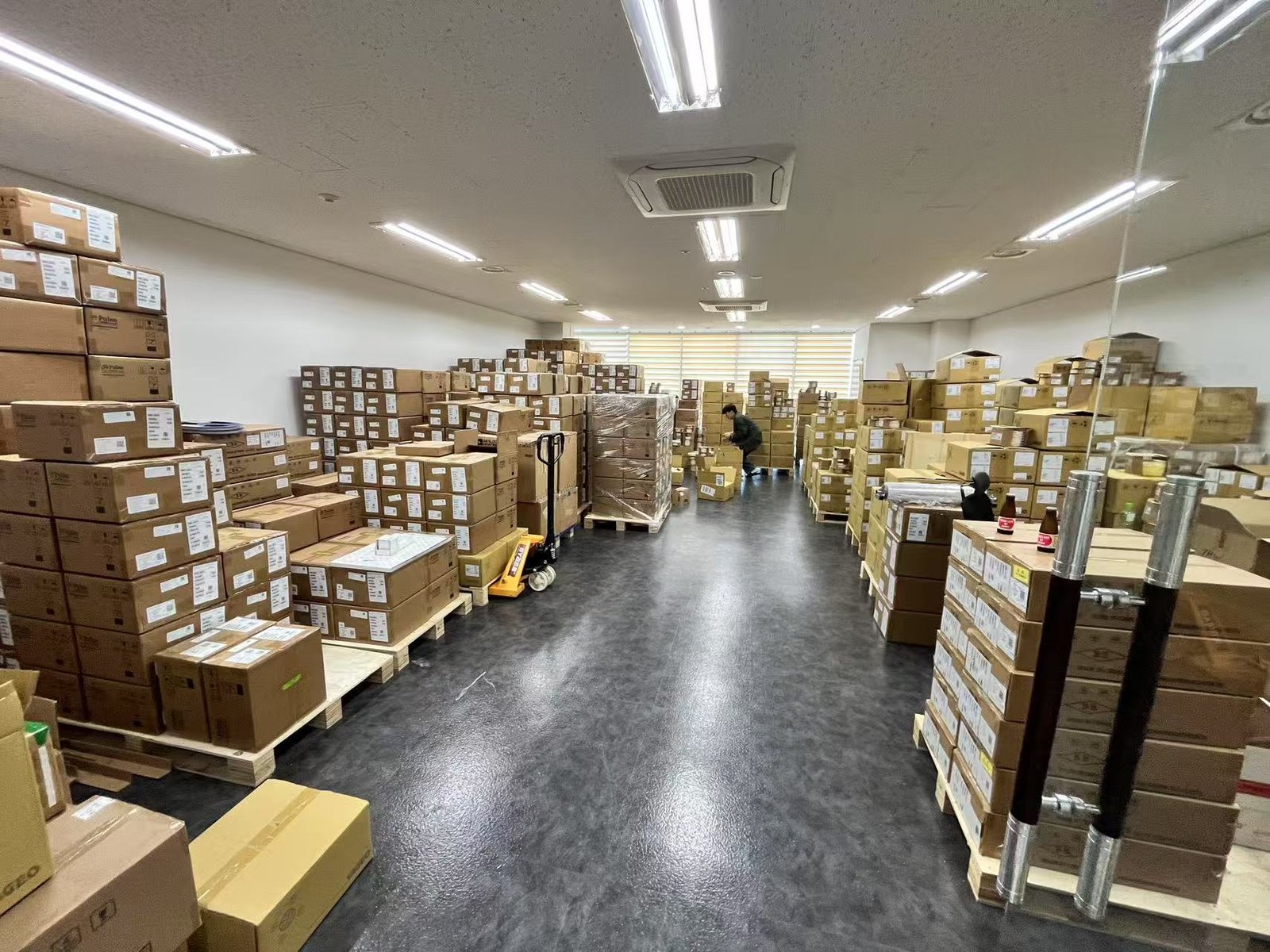
Choose Full, Partial or Staged Delivery
Prioritize urgent lines, protect sensitive packaging, identify every part, align documents, and keep open quantities visible after dispatch.
Review Global ShipmentQuestions Before Sending a BOM
Start with the file and information already available. Decision-critical gaps can be clarified during the first line-item review.
Which BOM file formats can I send?
You can begin with Excel, CSV, PDF, TXT, or a pasted line-item list. Include the complete MPN, manufacturer when fixed, quantity, target date, destination, and alternate or quality restrictions you already know.
Can an incomplete BOM still be reviewed?
Yes. The first review can identify incomplete ordering codes, missing quantities, unclear manufacturers, duplicate lines, inconsistent units, and questions that affect the sourcing or approval route.
Can each line have different manufacturer rules?
Yes. Record fixed manufacturers, preferred brands, approved manufacturer lists, prohibited substitutions, and lines where a candidate alternate may be proposed for engineering review.
How should shortage lines be prioritized?
Identify build-blocking items, open quantities, minimum useful releases, required dates, confirmed supply, line-down impact, approved alternatives, and the production or service milestone each line affects.
Does every BOM line require the same inspection plan?
No. The suitable scope depends on the component, package, source, lifecycle, quantity, available samples, application risk, documents, and customer acceptance requirements.
Can available lines ship before the whole BOM is complete?
Full consolidation, partial shipment, staged release, and priority-line dispatch can be reviewed against timing, packing, documents, freight, destination, and receiving requirements.
Send the Multi-Brand BOM or Procurement Requirement
Include the available line items, quantities, target dates, destination, preferred manufacturers, approved alternatives, quality evidence, commercial requirements, and delivery priorities. YURUNOX will organize the open questions around the actual purchasing decision.