


AMD Adaptive Computing and Embedded Processor Solutions.
YURUNOX helps engineering and procurement teams connect control, I/O, signal processing, machine vision, edge AI, networking, embedded computing, and released-platform requirements with suitable AMD product directions. We then review the exact ordering code, device family, package, speed and temperature grade, software and toolchain context, lifecycle, supply condition, evidence, and delivery terms.
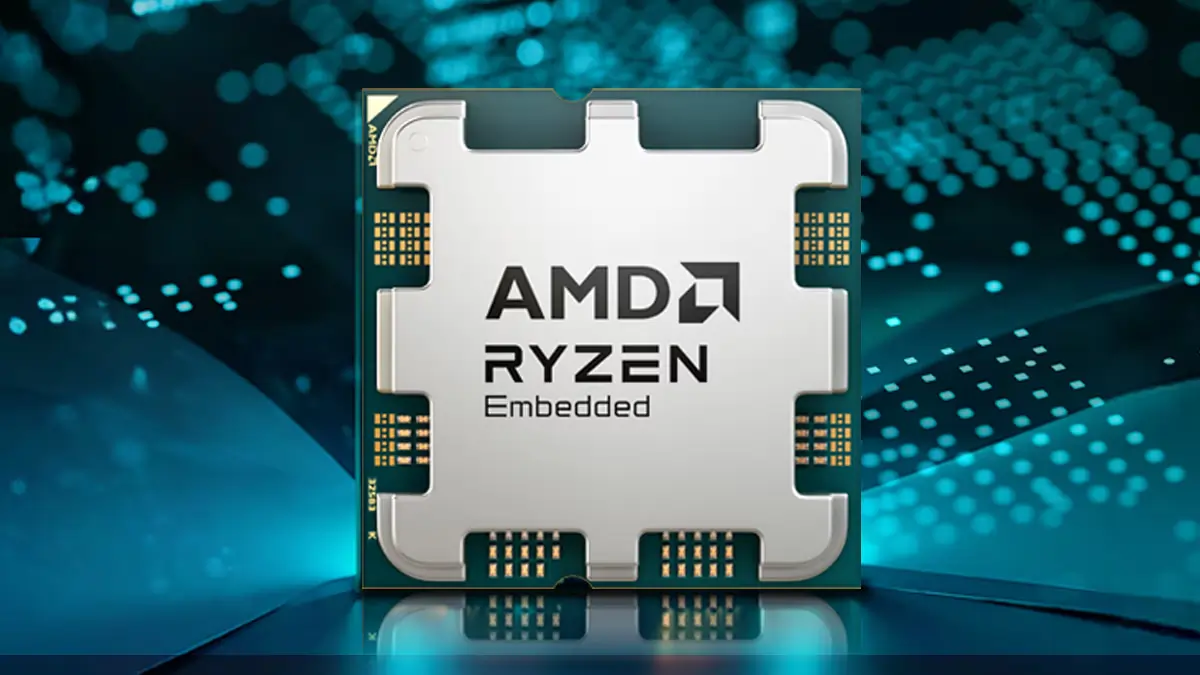
Search the Exact AMD or Xilinx MPN.
Search an XC, XA, XAZU, Ryzen Embedded, EPYC Embedded, FPGA, adaptive SoC, or processor ordering code.
Match I/O count, standards, timing, logic density, transceivers, power, package, and tool flow.
Review sensors, video, DSP, memory bandwidth, interfaces, latency, acceleration, and thermal limits.
Align CPU, graphics, AI, programmable logic, memory, I/O, OS, tools, security, and lifecycle.
Confirm the full MPN, package, grade, bitstream, board revision, lifecycle, and alternate authority.
Start With the Function the Hardware Must Perform.
Do not begin with logic-cell count or processor frequency alone. Define data paths, timing, interfaces, software, power, thermal limits, qualification, development status, expected production life, and the authority to change an approved design.
Connect Interfaces and Run Deterministic Logic
Define I/O count and voltage, protocols, clocking, latency, state machines, control loops, external memory, security, fail-safe behavior, package, temperature, and development-tool constraints.
Move and Process High-Bandwidth Data
Confirm sample rate, pixel rate, channel count, DSP workload, transceiver protocols, memory bandwidth, buffering, latency, precision, synchronization, power, cooling, and expansion needs.
Combine Processing, Acceleration, and Flexible I/O
Define CPU workload, real-time behavior, AI or signal acceleration, programmable logic, memory, storage, networking, camera and display interfaces, OS, boot, security, power, and lifecycle.
Protect a Released FPGA or Processor Design
Confirm the complete part number, speed and temperature grade, package, silicon or board revision, memory, power, clocking, bitstream, boot image, software, tool version, qualification, lifecycle, and approved alternate path.
Match the Architecture to the Complete System.
Select a starting family by function, then confirm density, processing, I/O, memory, transceivers, package, grade, development tools, software, security, qualification, lifecycle, quantity, and supply condition.
Spartan and Artix FPGAs
Cost- and power-conscious directions for I/O expansion, control, bridging, sensor processing, embedded vision, and moderate DSP or serial-connectivity needs.
Review Cost-Optimized LogicKintex and Virtex FPGAs
Higher-bandwidth and higher-density directions for communications, imaging, instrumentation, data movement, DSP, acceleration, and demanding interfaces.
Review Performance LogicZynq SoCs and MPSoCs
Processor-plus-programmable-logic direction for industrial control, vision, networking, robotics, automotive, data acquisition, and integrated embedded systems.
Review Zynq DirectionsVersal Adaptive SoCs
Heterogeneous compute direction for AI inference, advanced signal processing, high-speed networking, radar, vision, and workloads needing adaptable acceleration.
Explore Adaptive ComputeRyzen Embedded Processors
x86 compute direction for industrial PCs, machine vision, HMI, graphics-rich systems, edge AI, retail, medical, networking, and compact high-performance platforms.
Review Embedded ComputeEPYC Embedded Processors
Scalable x86 direction for networking, storage, edge servers, security appliances, industrial systems, and applications requiring more cores, memory, and I/O.
Review Scalable ProcessingStart With Frequently Requested AMD/Xilinx Parts.
Use these FPGA and adaptive SoC entries for direct discovery. Availability, lifecycle, package, grade, condition, and design compatibility are reconfirmed for each request.
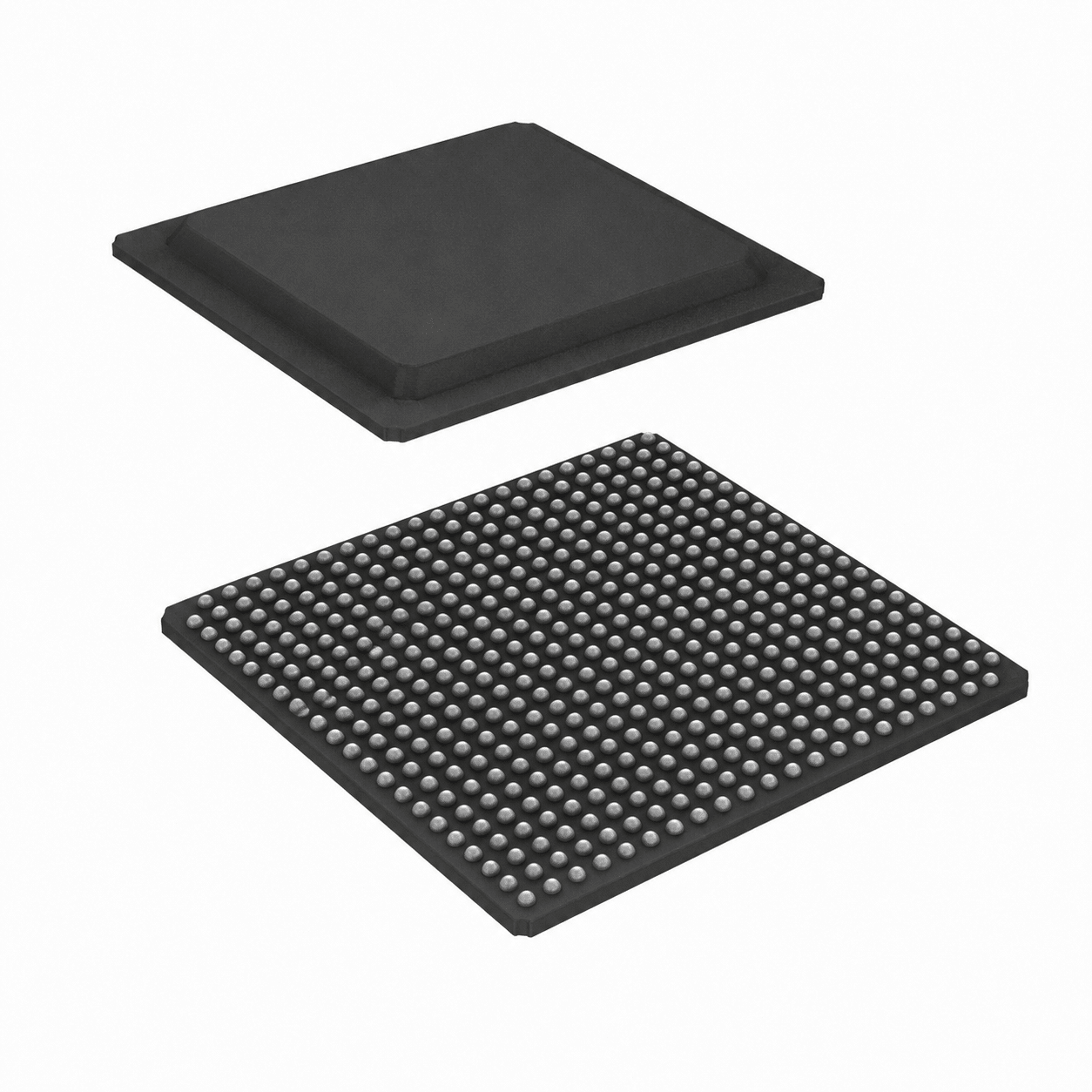 ARTIX-7 FPGA
XC7A35T-1FGG484C
Cost-optimized FPGA entry requiring logic, DSP, transceiver, memory, I/O, package, grade, and toolchain review.
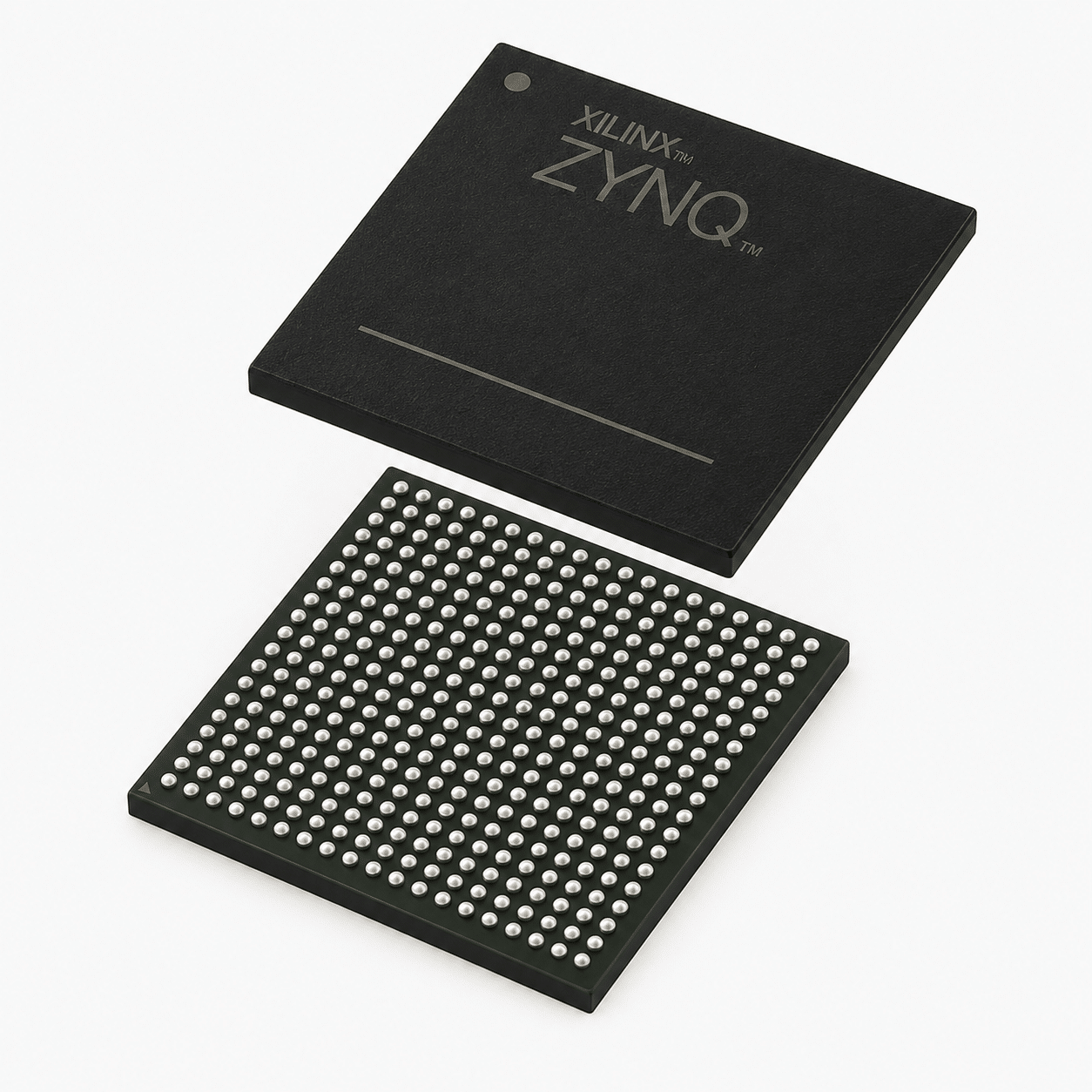 ZYNQ-7000 SOC
XC7Z020-1CLG400C
Processor-plus-logic entry requiring memory, boot, I/O, bitstream, software, package, grade, and board-baseline review.
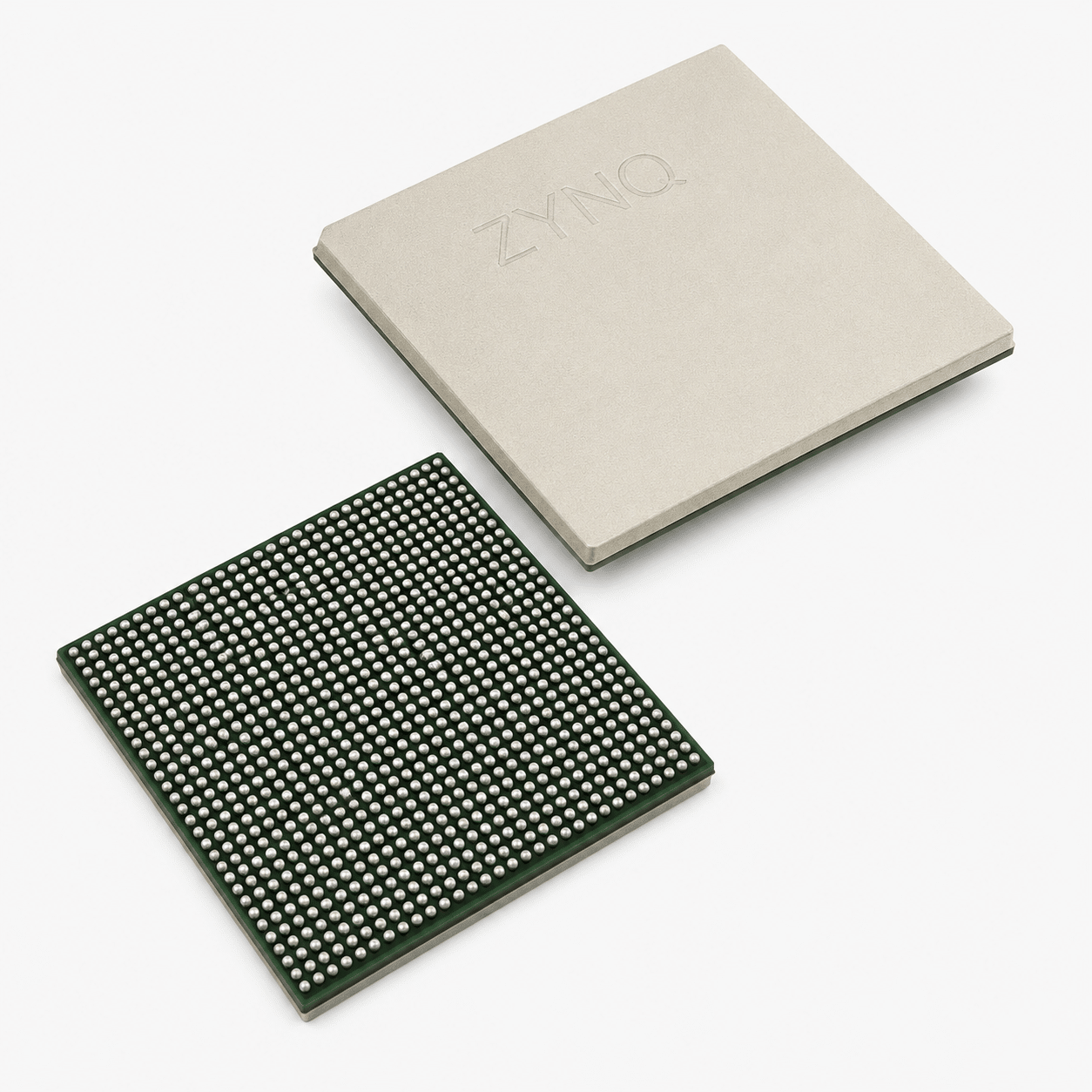 KINTEX-7 FPGA
XC7K325T-2FFG900C
Higher-density FPGA entry requiring logic, DSP, serial bandwidth, memory, I/O, power, package, grade, and tools review.
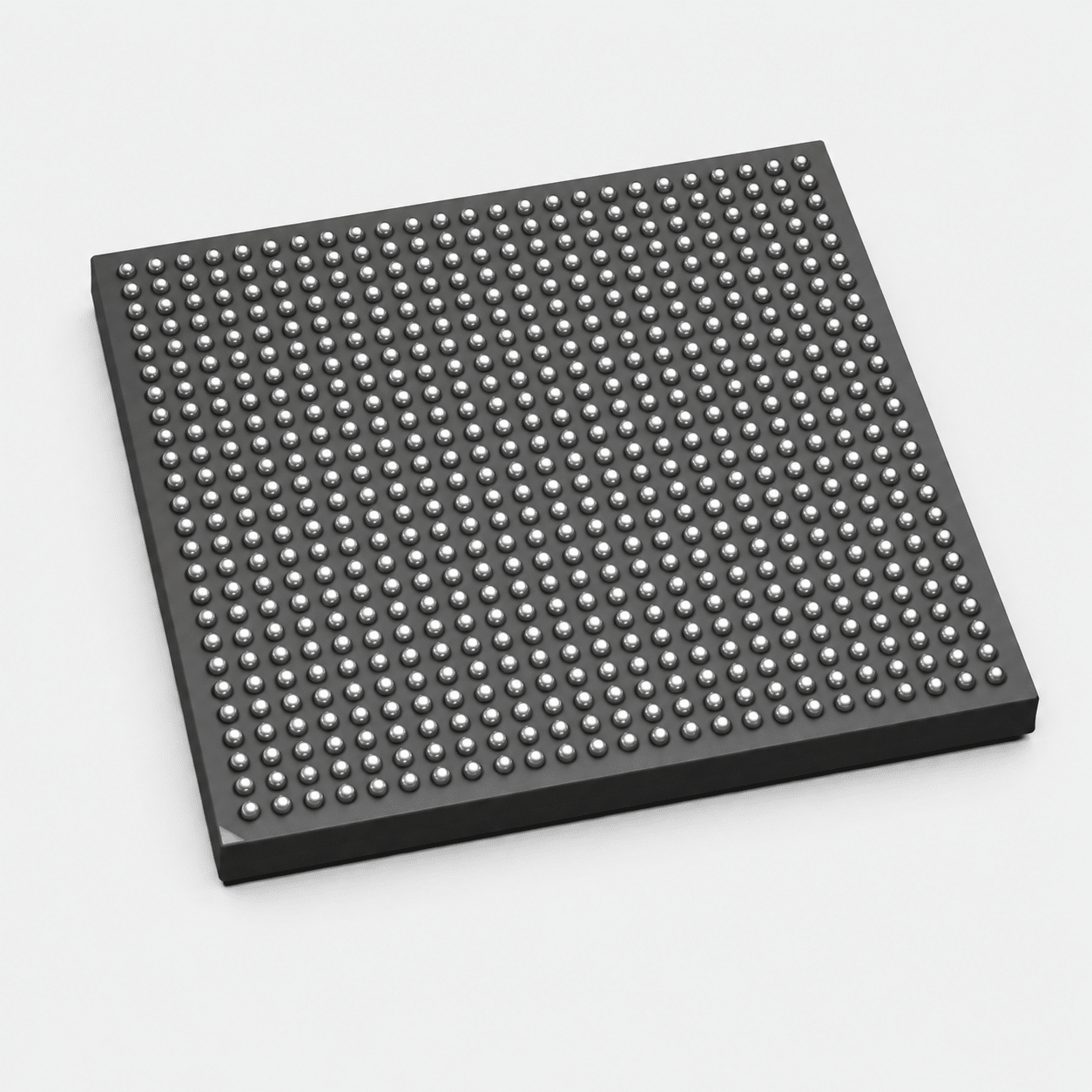 ZYNQ ULTRASCALE+ MPSOC
XAZU3EG-1SFVA625I
Automotive-oriented MPSoC entry requiring the full code, qualification, processing, logic, package, software, and program review.
Match the Use Case to an AMD Direction.
Choose the application and primary function. The result identifies a starting product direction and the system information needed before an exact device review.
Select the Application and Main Function.
Begin with what the hardware must control, connect, process, accelerate, display, or maintain. Then narrow the direction by timing, interfaces, performance, software, power, qualification, lifecycle, and supply requirements.
Spartan and Artix FPGA Direction
Begin with I/O standards and count, voltage, timing, clocking, logic density, memory, DSP, transceivers, package, grade, power, tool flow, security, qualification, and production life.
Build the Whole Platform Around the Use Case.
An FPGA, adaptive SoC, or embedded processor is only one part of the system. Review sensors, data paths, memory, power, clocks, interfaces, software, security, qualification, thermal design, and lifecycle together.
Automation, Motion, and Machine Control
Coordinate deterministic logic, industrial Ethernet, fieldbus, safety context, encoder and sensor I/O, motor interfaces, HMI, edge compute, security, thermal limits, and production life.
Inspection, Imaging, and Video Analytics
Align sensors, camera interfaces, ISP or image pipeline, DSP, AI inference, memory bandwidth, storage, display, networking, latency, software, power, and cooling.
Networking and High-Speed Data Transport
Review serial transceivers, Ethernet, packet processing, timing, synchronization, memory, PCIe, optical or backplane interfaces, security, software, power, and redundancy.
Vision, Control, and In-Vehicle Processing
Confirm vehicle function, cameras and sensors, compute, programmable logic, networking, safety, cybersecurity, qualification, temperature, software, change control, and program lifecycle.
Industrial PCs, HMIs, and Edge Systems
Match x86 or Arm processing with graphics, AI, memory, storage, displays, PCIe, Ethernet, field I/O, OS, virtualization, remote management, power, thermal, and longevity needs.
Data Acquisition and Instrumentation
Coordinate channel count, sample rate, triggering, synchronization, DSP, buffering, PCIe or Ethernet transport, host compute, calibration, precision, software, and expansion.
Review More Than Logic Density or CPU Performance.
The strongest headline specification does not automatically make a device suitable. Compare the complete architecture, implementation, software, lifecycle, and procurement context.
| System Need | Starting AMD Direction | Engineering Questions | Procurement Questions |
|---|---|---|---|
| I/O, bridging, and control | Spartan or Artix FPGA | I/O standards, voltage, timing, clocks, logic, memory, DSP, security, package, power, and tools | Complete MPN, speed and temperature grade, lifecycle, quantity, packing, condition, evidence, and delivery |
| DSP, video, and serial data | Artix, Kintex, or Virtex FPGA | Sample or pixel rate, DSP resources, transceivers, memory bandwidth, latency, precision, synchronization, and cooling | Exact density, package, grade, revision context, lifecycle, offered quantity, evidence, validity, and change control |
| Processor plus programmable logic | Zynq SoC or MPSoC | CPU, real-time work, logic, memory, boot, clocks, I/O, OS, drivers, security, bitstream, and board design | Full ordering code, hardware and software baseline, qualification, lifecycle, supply condition, evidence, and alternate authority |
| AI and heterogeneous acceleration | Versal adaptive SoC | Models, latency, data movement, acceleration, memory, interfaces, software stack, power, thermal, and development plan | Device and package roadmap, development status, production timing, forecast, lifecycle, supply plan, and evidence scope |
| Embedded x86 compute | Ryzen Embedded or EPYC Embedded | Cores, graphics, AI, memory, PCIe, networking, storage, OS, virtualization, security, thermal, and form factor | Processor code, platform and board baseline, lifecycle, forecast, qualification, commercial terms, and delivery plan |
| Released-platform continuity | Exact approved MPN | Package, grade, board, power, clocks, memory, bitstream, boot image, software, tools, and revalidation limits | Lifecycle status, source basis, condition, labels, packing, date or lot information, inspection, exceptions, and approval authority |
Browse AMD/Xilinx Parts by Product Family.
These product pages support initial discovery. Availability, lifecycle, exact package and grade, condition, quantity, evidence, commercial terms, and design compatibility are reconfirmed for each RFQ.
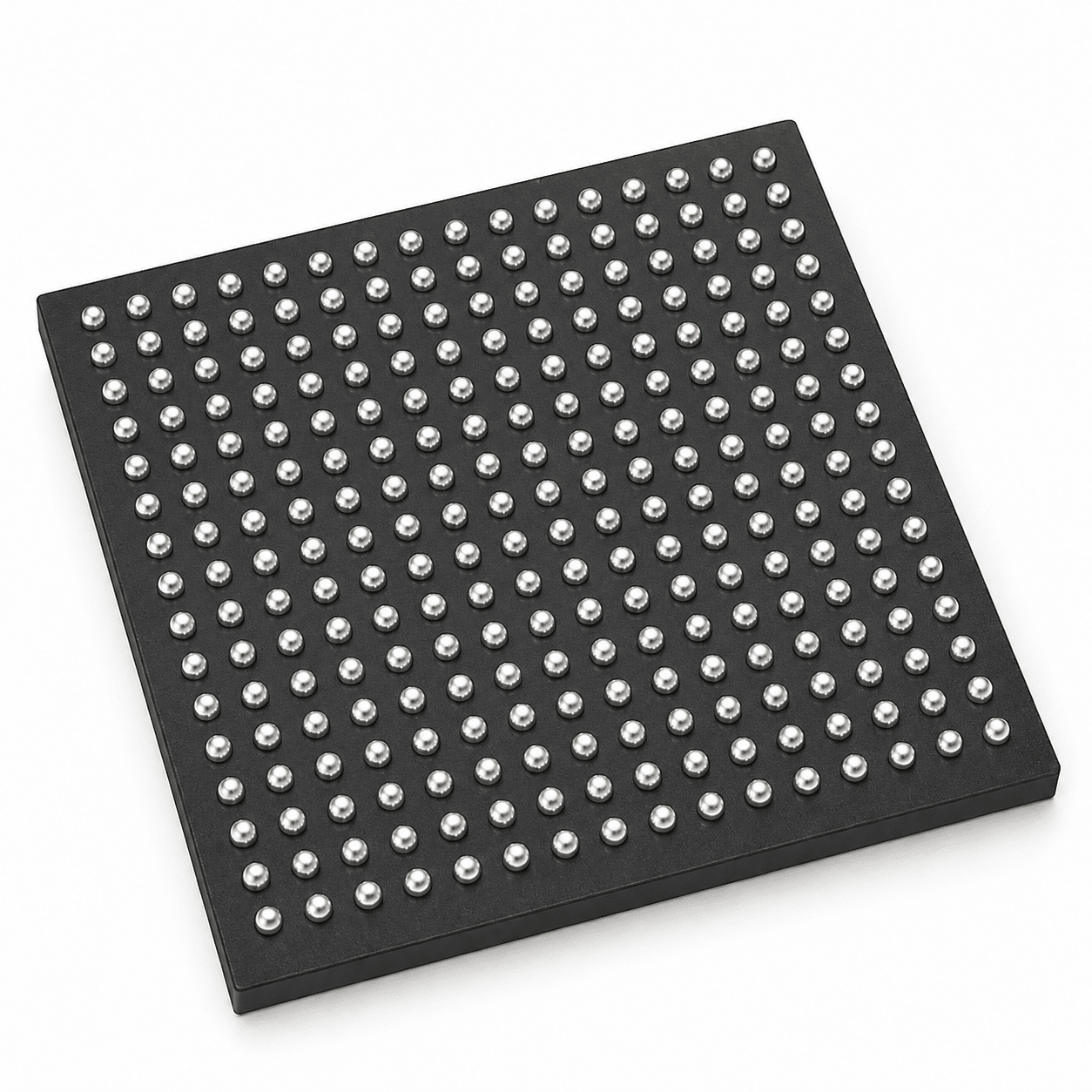
XC6SLX9-2FTG256C
Spartan-6 entry for a released design. Confirm the full code, density, speed and temperature grade, package, I/O, clocks, memory, power, bitstream, tool version, lifecycle, and evidence.
View XC6SLX9-2FTG256CXC7A35T-1FGG484C
Artix-7 entry requiring logic, DSP, I/O, memory, transceiver, power, package, speed and temperature grade, bitstream, toolchain, lifecycle, and evidence review.
View XC7A35T-1FGG484CXC7K325T-2FFG900C
Kintex-7 entry requiring density, DSP, high-speed serial links, memory, I/O, clocks, power, package, grade, bitstream, tools, lifecycle, and evidence review.
View XC7K325T-2FFG900C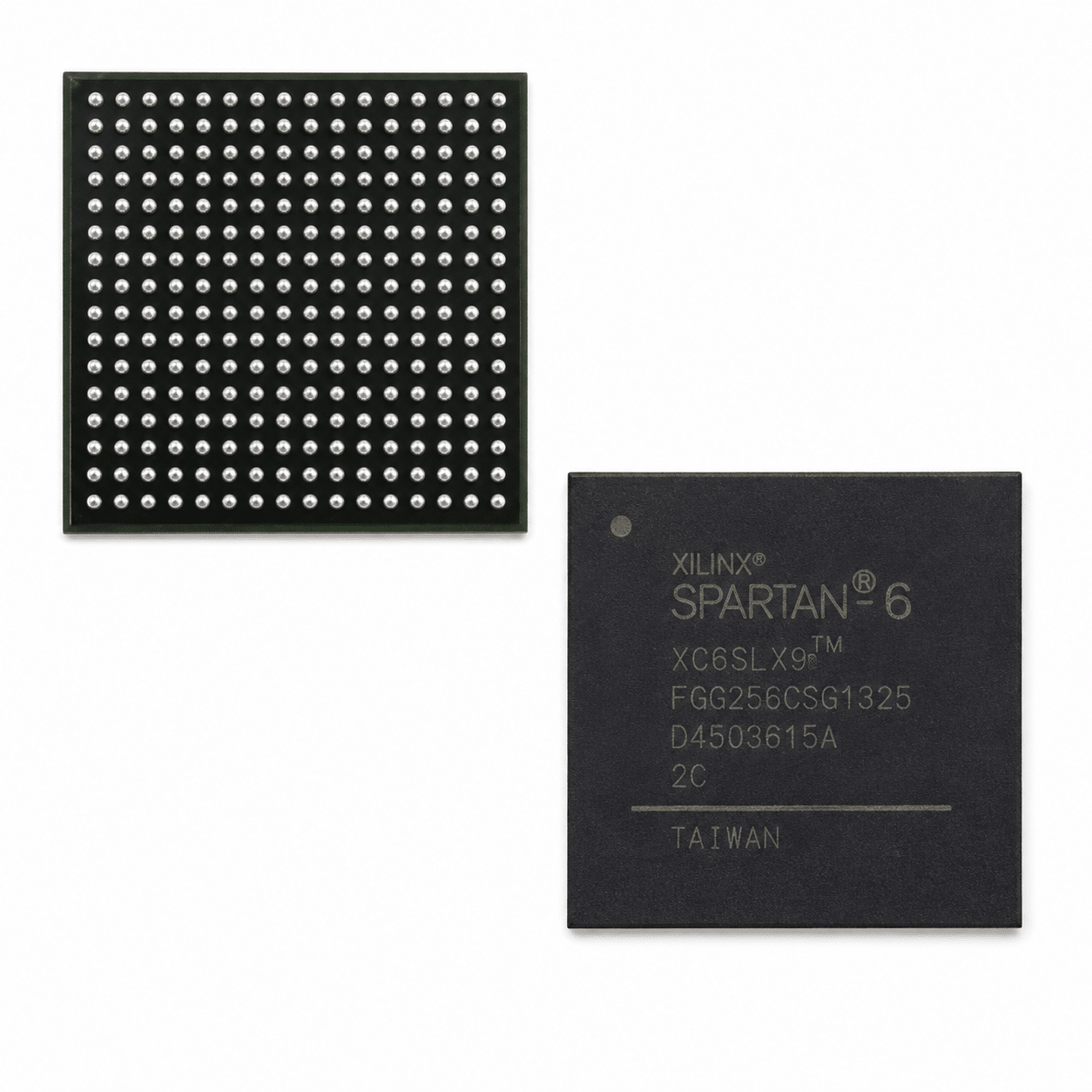
XC6SLX16-2FTG256C
Spartan-6 entry for a released platform. Confirm density, package, grade, I/O, memory, clocks, power, PCB and bitstream baseline, tool version, lifecycle, and alternate authority.
View XC6SLX16-2FTG256C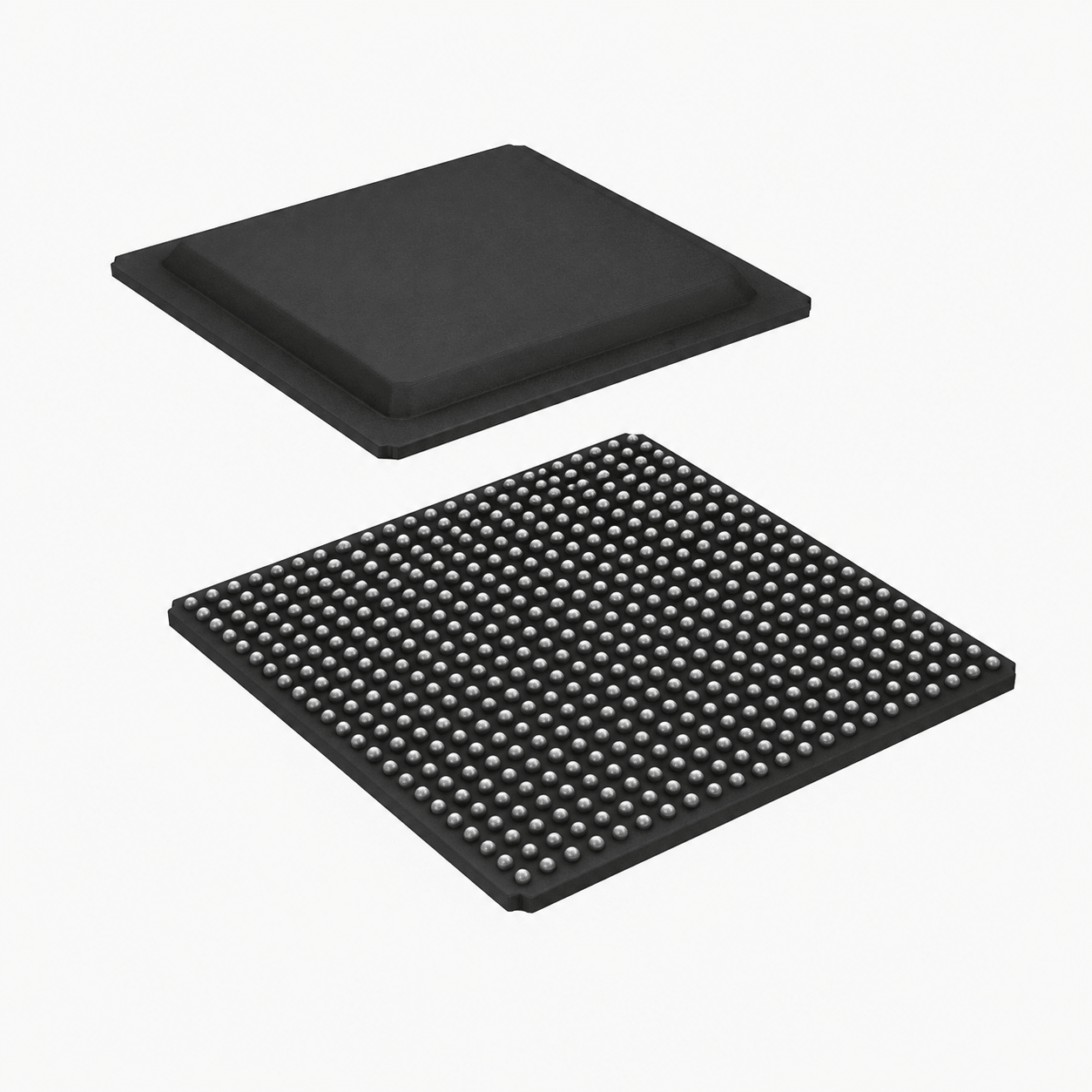
XC7A100T-2FGG484C
Artix-7 entry requiring density, DSP, I/O, transceiver and memory needs, package, speed and temperature grade, power, bitstream, toolchain, lifecycle, and evidence review.
View XC7A100T-2FGG484CXAZU3EG-1SFVA625I
Automotive-oriented MPSoC entry. Confirm the full code, qualification and temperature grade, processor, logic, package, memory, boot, bitstream, software, program lifecycle, and evidence.
View XAZU3EG-1SFVA625IXC7Z020-1CLG400C
Zynq-7000 entry requiring processor and logic context, memory, boot, I/O, clocks, package, grade, power, bitstream, OS and software baseline, lifecycle, and evidence.
View XC7Z020-1CLG400C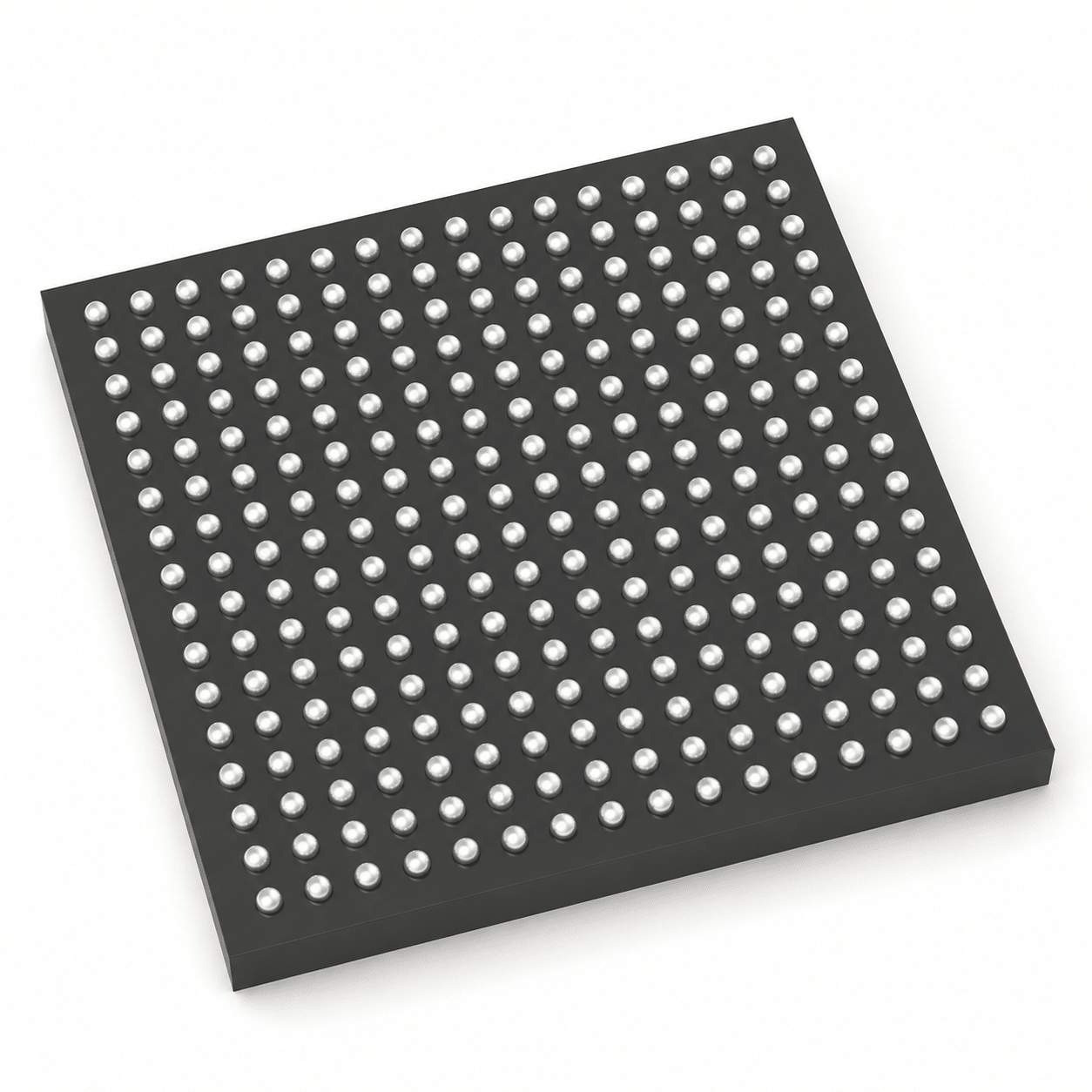
XC7A50T-1FTG256C
Compact Artix-7 entry requiring logic, I/O, DSP, memory, transceiver, package, speed and temperature grade, power, bitstream, toolchain, lifecycle, and evidence review.
View XC7A50T-1FTG256CCannot find the AMD part number? Send the complete MPN or BOM, application, device and board context, package and grade, bitstream and tool version, software baseline, qualification, quantity, target date, destination, approved alternatives, and evidence requirements.

Confirm the Exact Device and Evidence Before Shipment.
YURUNOX aligns the quoted AMD part with the complete ordering code, family and package, speed and temperature grade, lifecycle, source basis, offered quantity, commercial terms, and agreed inspection evidence.
Manufacturer, complete MPN and suffix, device family, package, speed and temperature grade, quantity, labels, packing, and available traceability.
Board and silicon revision, power, clocks, memory, bitstream, boot image, software and tool baseline, qualification, lifecycle information, and alternate authority.
Packaging and label photos, visual or microscopic condition, marking review, X-ray, electrical or other suitable checks when available and agreed.
Offered quantity, price basis, validity, lead time, payment, freight, date or lot information, exceptions, destination, and receiving requirements.
AMD Component Sourcing FAQ.
Use these answers to prepare a clearer AMD FPGA, adaptive SoC, embedded-processor, exact part-number, released-BOM, or lifecycle request.
Can YURUNOX supply every AMD part?
Supply is reviewed for the exact ordering code, package, grade, quantity, lifecycle, condition, destination, and required evidence. A family name or shortened code is not enough to confirm an offer.
What should I provide for a new FPGA design?
Provide the application, logic and processing needs, I/O and transceivers, clocks, memory, power, security, package, temperature and qualification, tool version, development status, forecast, and production schedule.
Can two FPGA part numbers with similar density be interchanged?
Not automatically. Package, pinout, I/O banks, voltage, speed grade, temperature grade, transceivers, memory, DSP, power, configuration, silicon behavior, tools, and bitstream compatibility require engineering review.
What must be checked for a Zynq device?
Confirm the full MPN, processor and programmable-logic needs, package, grade, memory, clocks, power, boot chain, bitstream, OS, drivers, software, board revision, security, qualification, and lifecycle.
Does the product list confirm current inventory?
No. Product pages are discovery entries. Current availability, offered quantity, source basis, condition, date or lot information, lead time, validity, payment, freight, and inspection scope are confirmed for the actual RFQ.
How should I request an automotive AMD device?
Send the complete approved MPN, vehicle function, ECU or platform context, qualification requirement, package and temperature grade, hardware and software revision, quantity, timing, change-control rules, and required evidence.
Can YURUNOX review lifecycle-sensitive Spartan-6 or 7 Series parts?
Yes. The review can align the exact device, approved design baseline, lifecycle information, offered supply, package and label evidence, inspection scope, alternate authority, redesign constraints, and delivery requirement.
What evidence can be requested before shipment?
Depending on the order and agreed scope, evidence may include packaging and label photos, quantity and condition records, visual or microscopic inspection, marking review, X-ray, electrical checks, documents, and shipment records.
Send Your AMD Part Number, BOM, or System Requirement.
Include the use case, exact MPN or architecture direction, board and software baseline, package and grade, qualification, tools and bitstream context, quantity, target date, destination, approved alternatives, and evidence requirements.