Product or Process Change Notice
The part may remain active, but a controlled product or manufacturing attribute is changing.

These terms do not mean the same thing. A PCN announces a change. A PDN announces discontinuance. NRND warns against a new design. EOL describes product retirement. Last-Time Buy is the final order window set by the supplier.

Read the supplier's current notice, affected-parts list, revision, dates, and commercial conditions.
PCN and PDN are communications. NRND, EOL, and obsolete are lifecycle conditions or labels. LTB and LTS are commercial milestones. Mixing these categories can cause an unqualified change, a rushed redesign, or the wrong final-buy quantity.
The part may remain active, but a controlled product or manufacturing attribute is changing.
The supplier is withdrawing the listed product and normally provides final-order information.
Existing users may still be supported, but a new platform should evaluate an active alternative.
The product is moving through retirement or has reached the end of manufacturer supply.
The final date or window for submitting an order under the discontinuance process.
The latest planned shipment milestone for accepted final orders, subject to notice terms.
| Term | What changed? | Immediate action |
|---|---|---|
| PCN | A product, process, material, site, test flow, firmware, marking, specification, or related controlled attribute. | Check exact MPN scope, effectivity, identification method, evidence, and application-specific qualification. |
| PDN | The listed product is being discontinued. | Capture LTB/LTS dates, order conditions, remaining demand, replacement path, and support exposure. |
| NRND | The supplier's recommendation for new designs has changed. | Do not release into a new platform without an active alternative review or a documented lifecycle exception. |
| EOL | The product is entering or completing retirement. | Plan the end of manufacturer supply; do not infer support from distributor stock alone. |
| LTB | The final-order window is closing. | Lock demand assumptions, confirm commercial conditions, submit early, and obtain written acceptance. |
| LTS | The final shipment period is closing. | Plan cash, receiving, storage, shelf-life, lot controls, and production use of accepted final supply. |
There is no universal sequence for every manufacturer, but this map shows the operational relationship. The actual product page and current supplier notice always control.
Supported for existing and new designs under the supplier's policy.
A controlled change may occur while the product stays active.
Continue existing-use review, but avoid a new design without exception.
Withdrawal is announced and dated work begins.
Final order and shipment milestones close.
Manufacturer production has ended under its lifecycle definition.
Important: a PCN is not automatically an EOL notice, and NRND is not automatically obsolete. Some suppliers use different labels or combine PCN/EOL portals, so verify the notice title, revision, affected MPN attachment, and dated terms.
The same purchasing response does not fit every notice. Start by identifying whether the event is a change, a design-status warning, or a supply withdrawal.
Map exact affected items, assess technical and quality impact, request evidence or samples, and control the introduction date.
Separate legacy use from the new platform, compare active alternatives, and require an exception before design release.
Calendar LTB/LTS, decide bridge-buy versus redesign, validate the replacement, and obtain accepted-order evidence.
A PCN should tell you what changed, why it changed, which orderable part numbers are affected, when changed material may first arrive, and what qualification support is available. That information begins the customer assessment; it does not replace it.
The risk depends on the application. A die change can affect electrical distributions, timing, leakage, thermal behavior, or errata. An assembly-site change can affect traceability and package evidence. A plating or mold-compound change can affect soldering, moisture sensitivity, corrosion, or compliance records.

Confirm every suffix used in the BOM, approved vendor list, alternate list, and production location.
Identify product, material, fab, assembly, test, firmware, marking, or documentation changes.
Determine the earliest changed material could arrive and whether segregation is required.
Treat the supplier statement as evidence for review, not a substitute for system-level risk assessment.
Review methods, samples, conditions, results, traceability, and gaps against your obligations.
Name the authorized owner for acknowledgement, questions, samples, qualification, and closure.
The immediate goal is not to finish every qualification or buy. It is to stop uncertainty from spreading and protect the supplier deadline.
Confirm manufacturer source, notice number, revision, issue date, and current status.
Match exact affected MPNs to BOMs, AVL entries, inventory, orders, sites, and customer programs.
Separate change qualification from lifecycle planning and commercial deadlines.
Calendar response, EFSD, LTB, LTS, sample, forecast, and approval dates with margin.
Name engineering, quality, purchasing, program, and manufacturing owners with one closure owner.
Do not plan to the last calendar day. Final orders can require forecast review, internal authorization, MOQ alignment, NCNR approval, supplier acceptance, and payment or credit clearance before the stated cutoff.
“Form, fit, and function unchanged” may support a decision, but it does not define the customer's validation duty. Consider the change type and the product's safety, reliability, regulatory, and field obligations.
Possible when the change is well bounded and has no relevant effect in the application.
Useful when material, site, package, marking, or process differences could affect manufacturing or receiving.
Needed when safety, regulation, high reliability, software behavior, precision, RF, thermal, or customer approvals could be affected.
An LTB is often NCNR and can create years of cash, storage, traceability, shelf-life, and obsolescence exposure. Model several demand scenarios before committing.
Production demand + service and warranty demand + qualification/build allowance + yield and scrap allowance − usable traceable inventory − confirmed inbound supply
Approved forecast through final production, ramp-down, and contractual supply commitments.
Repair, warranty, depot, installed-base, regulatory, and field support obligations.
Historical scrap, line setup, repair use, qualification builds, and BOM quantity.
Correct MPN, traceable source, condition, allocation, storage, date code, and shelf-life suitability.
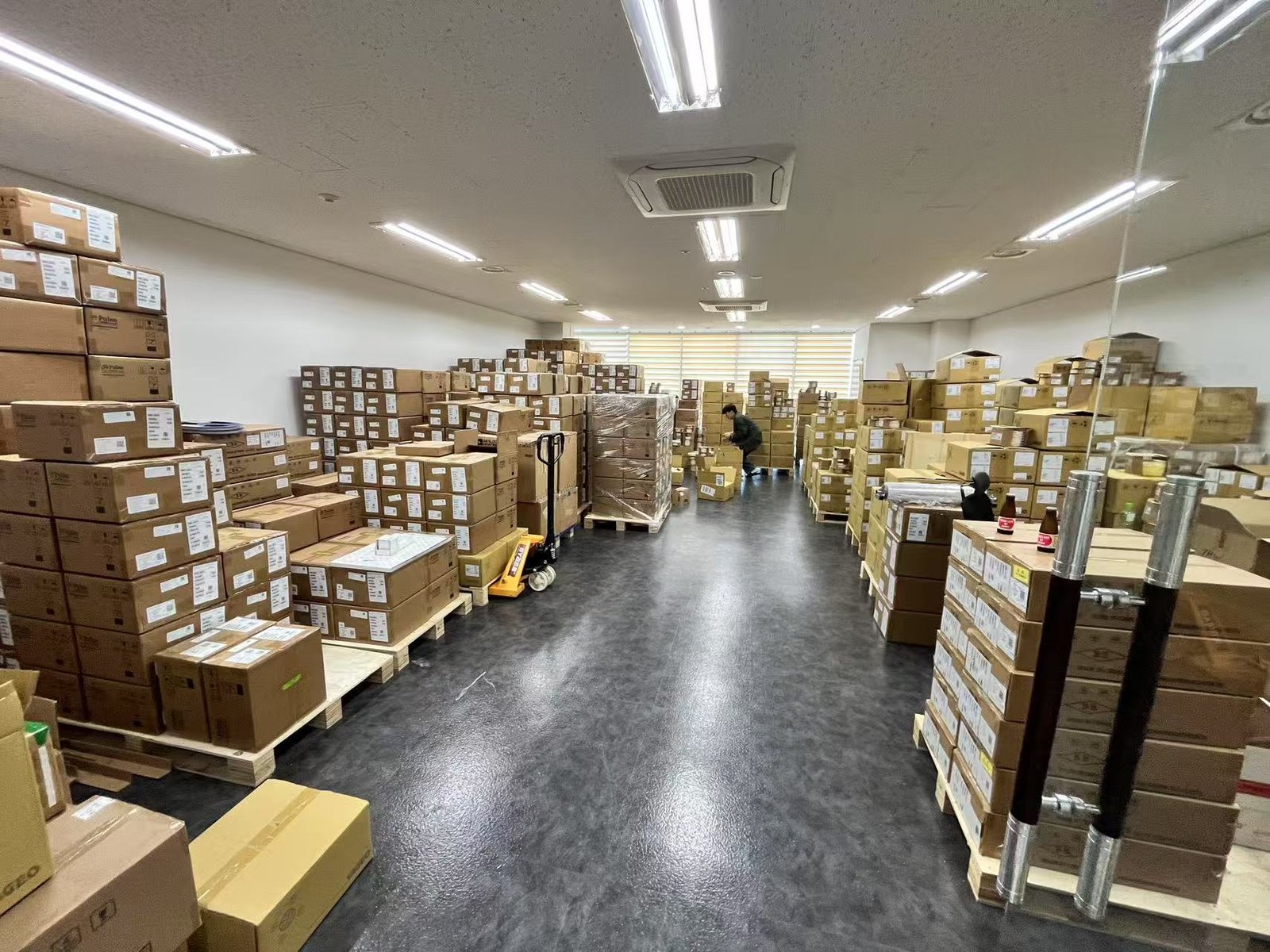
Plan protective packaging, lot and date-code traceability, ESD and moisture-sensitive handling, storage monitoring, cycle counts, allocation by program, and an end-of-use disposition. A mathematically sufficient quantity is not usable supply if its condition and identity cannot be protected.
A supplier recommendation may mean pin-compatible, functionally similar, or simply the nearest portfolio option. Approve substitution only after the actual system differences are understood.
Full MPN, package, temperature grade, qualification, finish, packing, revision, and no-connect behavior.
Operating conditions, absolute maximums, distributions, interface timing, analog behavior, derating, and thermal path.
Registers, defaults, boot mode, calibration, security, diagnostics, errata, and production-test behavior.
Footprint, MSL, reflow, finish, programming, fixture, tape-and-reel, marking, and traceability.
Automotive, medical, safety, EMC, environmental, PPAP, end-customer, and regulated-product requirements.
Record direct substitution, controlled running change, new board revision, restricted use, or no replacement.
One person should own closure, but the decision needs evidence from the functions that carry technical, quality, schedule, commercial, and manufacturing risk.
Classify technical impact, compare revisions, define tests, evaluate alternates, and approve disposition.
Assess evidence, traceability, qualification, regulated-product duties, PPAP, and customer approval.
Confirm notice scope, dates, channel, samples, terms, final orders, and written supplier acknowledgement.
Own schedule, support horizon, customer communication, escalation, funding, and risk acceptance.
Control lot introduction, process checks, programming, fixtures, storage, traceability, and cutover.
Use this list when requesting lifecycle status, change evidence, replacement support, or a final-buy quotation.
Send the exact MPN, notice revision, quantity, annual usage, support horizon, target date, destination, acceptable alternatives, and evidence requirements. YURUNOX can organize the sourcing response around the actual offered stock and agreed review scope.
The supplier's current policy and notice always control when its labels, dates, or commercial terms differ.
No. A PCN generally announces a product or process change and can apply while a component remains active. A PDN or EOL notice announces withdrawal or discontinuance. Read the title, affected MPN list, revision, effectivity, and any LTB/LTS dates.
PDN commonly means Product Discontinuance Notice, while EOL means End of Life. Manufacturers may use the terms differently. For action, rely on the actual notice: exact affected parts, final-order date, final-ship date, replacement status, and order terms.
No. NRND means the supplier does not recommend the part for a new design. It may remain available for existing designs, but a new platform should evaluate an active alternative before design release.
Do not plan on manufacturer acceptance after the LTB date. Distribution or aftermarket stock may remain, but it can have different source, condition, traceability, warranty, date-code, authenticity, and price risks.
Include production through the support horizon, service and warranty demand, qualification/build allowance, and realistic yield and scrap. Subtract only usable, traceable internal stock and confirmed inbound. Then apply MOQ, packaging, delivery, storage, and supplier terms.
No. Verify complete MPN, package, pinout, operating conditions, timing, firmware, thermal behavior, manufacturing requirements, reliability, and customer qualification obligations before substitution.
The response should be cross-functional. Engineering assesses technical impact; quality evaluates evidence and approval duties; purchasing manages supplier communication; program management owns schedule and escalation; manufacturing controls introduction. One accountable owner should close the record.
Check during part selection, schematic release, design freeze, NPI, and regular sustaining reviews. Subscribe to manufacturer notices for used components. Increase review frequency for sole-source, high-reliability, regulated, or long-life programs.
These primary manufacturer sources explain representative lifecycle and notification practices. A timing example from one supplier must not be treated as a universal rule.