

Control & Compute Components
Source microcontrollers, processors, GPUs, FPGAs, DSPs, and embedded computing devices around the exact system function, ordering code, lifecycle, software environment, quantity, and delivery requirement.
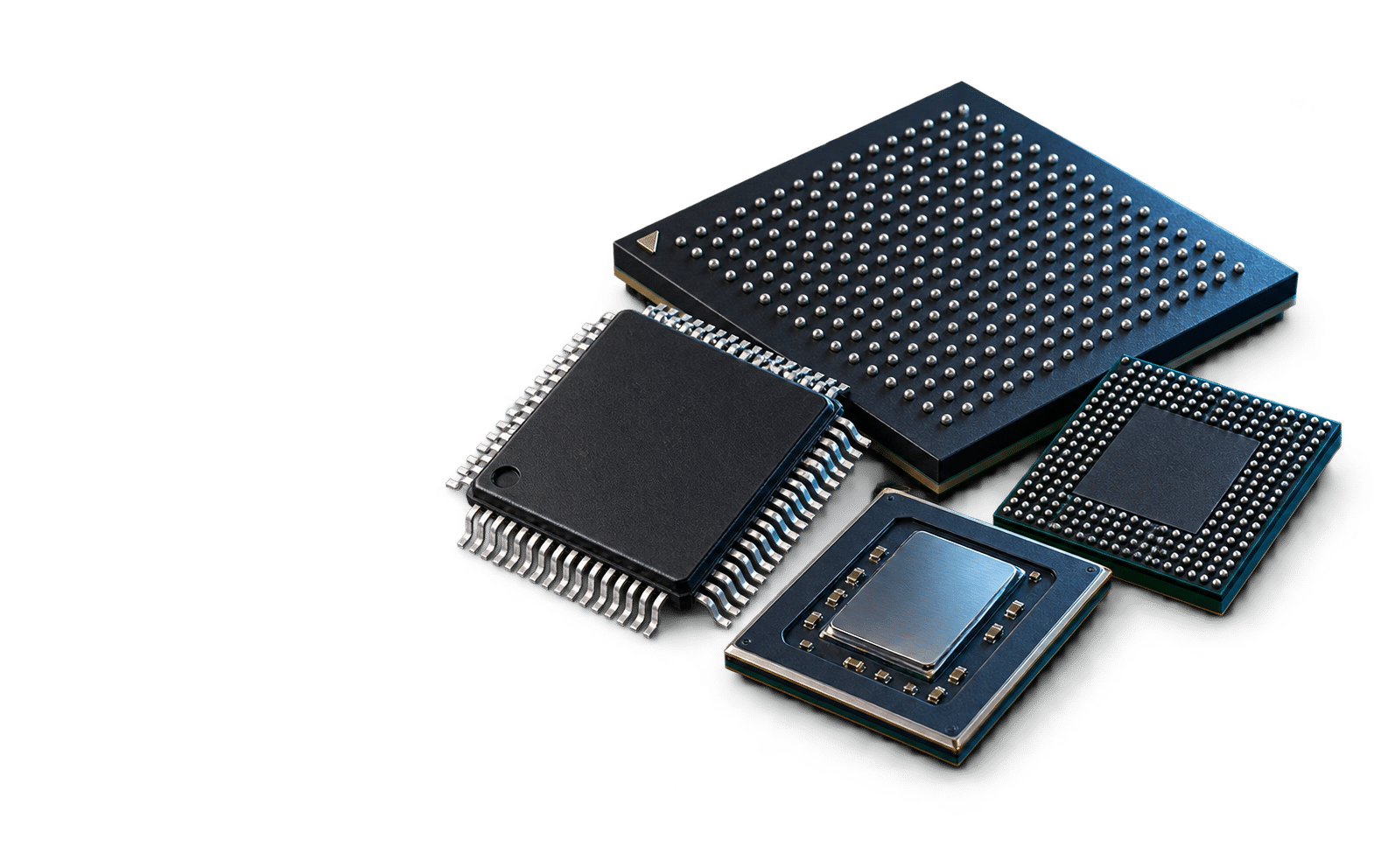
Choose the Computing Role Before the Device
Begin with what the component must control, process, accelerate, or reconfigure. Then narrow the family using interfaces, performance, memory, power, package, qualification, software, and lifecycle requirements.
Microcontrollers (MCUs)
Real-time control, sensing, communications, motor control, user interfaces, and connected embedded systems.
- Core architecture and clock
- Flash, SRAM, analog and timers
- Package, grade and qualification
Processors, MPUs & SoCs
Operating-system based control, networking, multimedia, human-machine interfaces, and system consolidation.
- CPU architecture and performance
- Memory and peripheral support
- OS, BSP and thermal context
GPUs & AI Accelerators
Machine vision, inference, graphics, simulation, analytics, robotics, and parallel compute workloads.
- Workload and software stack
- Memory, interface and form factor
- Power, cooling and deployment
FPGAs, CPLDs & Adaptive SoCs
Custom logic, deterministic interfaces, protocol bridging, data pipelines, timing, and hardware acceleration.
- Logic, DSP and memory resources
- I/O banks and transceivers
- Speed, package and configuration
DSPs & Real-Time Compute
Audio, control loops, communications, instrumentation, motor control, and deterministic signal workloads.
- Arithmetic and instruction set
- Sampling and interface timing
- Memory, tools and package
Embedded Modules & Board-Level Compute
When the requirement is defined around a validated module, accelerator, development platform, or board revision.
- Module and board identity
- Connector and mechanical fit
- Firmware and revision baseline
Already Have the Exact MPN?
Continue directly from the complete ordering code. Include quantity, required date, destination, package or grade restrictions, and any date-code, documentation, or inspection expectations.
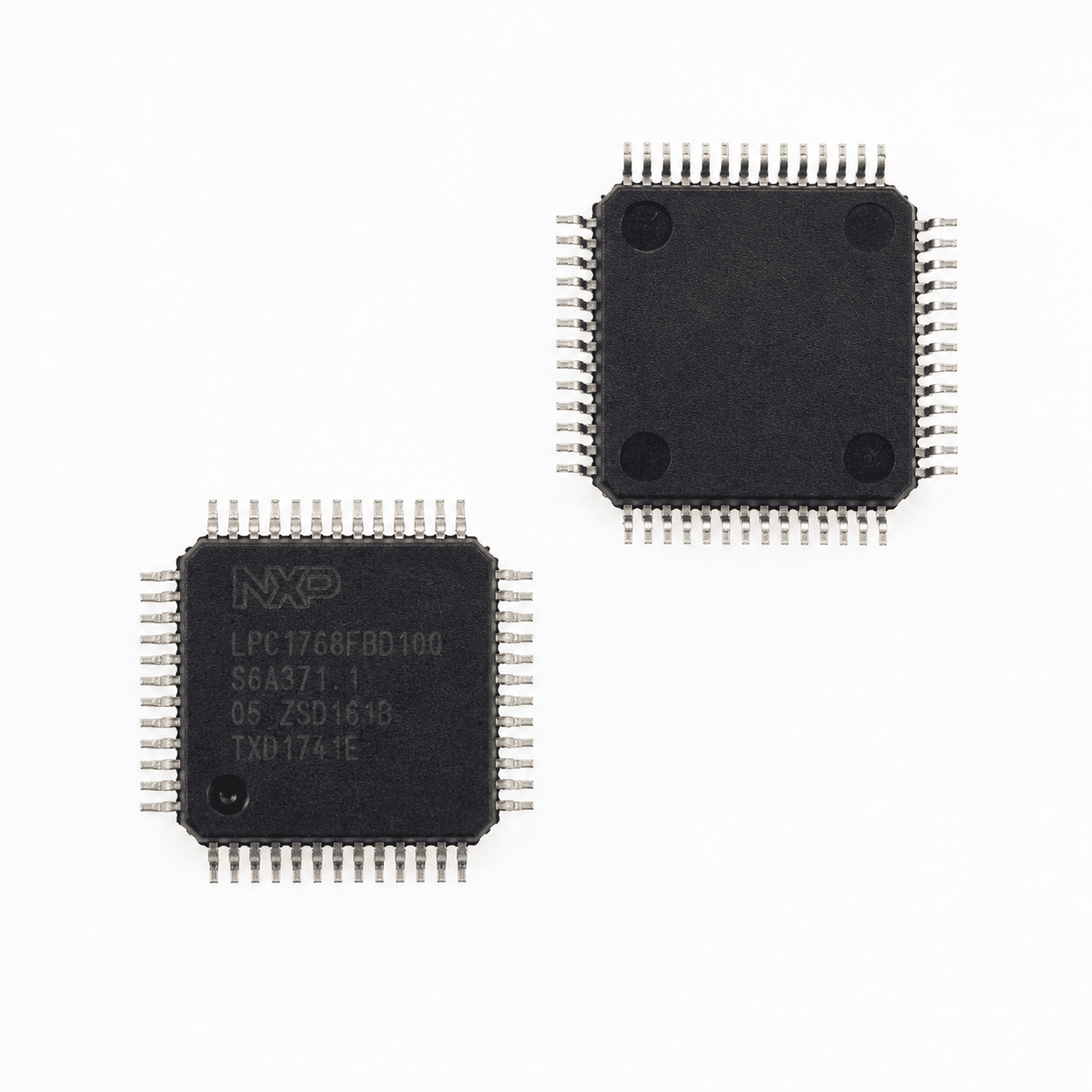 STMicroelectronics · MCUSTM32F103C8T6Open product details
Four Ways a Control or Compute Search Can Begin
The next step changes depending on whether the part is already known, the family is still open, or supply risk is driving the decision.
Exact MPN Sourcing
Confirm the complete manufacturer ordering code, quantity, target date, destination, and order-specific restrictions.
Application-to-Family Direction
Start with system function, performance, interfaces, software, power, package, environment, and lifecycle targets.
Shortage, Allocation or EOL
Review the exact part, approved substitutes, source condition, available records, timing, and risk-based evidence.
Production BOM Consolidation
Keep control, memory, power, interface, sensing, and connectivity lines together in one structured review.
Match the Compute Device to the System Workload
The same device class can serve very different systems. Application, environment, software, qualification, and lifecycle context help prevent a specification-only match.
Industrial Automation
PLC, motion control, drives, robotics, HMI, machine control, and deterministic industrial networking.
Focus: real-time behavior · I/O · safety · lifecycleCommunications & Networking
Gateways, routers, switches, protocol processing, edge appliances, and infrastructure control.
Focus: throughput · interfaces · software · thermalsEdge AI & Machine Vision
Inspection, inference, analytics, autonomous systems, imaging, and accelerated edge workloads.
Focus: model · acceleration · memory · powerAutomotive & Mobility
Body control, infotainment, powertrain support, sensing, gateways, and transportation electronics.
Focus: grade · qualification · temperature · safetyMedical & Instrumentation
Measurement, diagnostics, laboratory equipment, portable systems, and precision control.
Focus: reliability · interfaces · power · change controlData Center & Embedded Server
Compute nodes, storage control, acceleration, management, networking, and system infrastructure.
Focus: performance · compatibility · thermals · revisionTranslate the Requirement Into Searchable Criteria
These fields do not replace manufacturer documentation or engineering validation. They organize the first product direction and purchasing conversation.
| Decision Area | Questions to Confirm | Why It Changes the Part |
|---|---|---|
| Processing & Real-Time Need | Clock, cores, architecture, latency, control-loop timing, acceleration, determinism | Separates MCU, MPU, GPU, DSP, FPGA, and heterogeneous SoC directions. |
| Memory & Data Movement | Internal flash/SRAM, external memory, bandwidth, cache, storage and interface needs | Changes device family, package, board routing, software and thermal design. |
| Interfaces & Peripherals | Analog, timers, PWM, Ethernet, CAN, USB, PCIe, serial, display, camera, transceivers | Determines peripheral mix, I/O count, transceiver capability and external devices. |
| Software & Development | RTOS or OS, toolchain, BSP, drivers, libraries, security and migration constraints | A technically capable device may still fail the software or support requirement. |
| Electrical & Mechanical | Supply, power budget, thermal limits, package, pitch, board area and connector context | Changes ordering suffix, package, cooling, layout, and manufacturability. |
| Lifecycle & Qualification | Temperature, industrial or automotive grade, qualification, longevity and revision control | Defines which variants and supply routes are acceptable for the program. |
Browse Control & Compute Brands
Open a manufacturer solution page when the preferred brand is known, or use the full brand directory for a broader manufacturer search.








Confirm More Than the Family Name
A processor family, memory size, or FPGA capacity does not define an orderable part. Confirm the full manufacturer ordering code and the conditions that affect system fit, acceptance, and supply.
Review Quality AssuranceIdentity & Ordering Code
Manufacturer, family, device, memory, package, speed, grade, revision, and suffix.
System & Software Fit
Architecture, interfaces, toolchain, firmware, board, thermal, mechanical, and qualification context.
Lifecycle & Supply
Lifecycle status, source basis, condition, quantity, timing, lot information, and alternatives.
Evidence & Release
Labels, packaging, visual review, traceability, documents, agreed tests, exceptions, and approval.
Packaging & Delivery
Package format, protective handling, labels, documents, carrier, destination, and tracking.
Questions Before Sending the Requirement
Final component selection and approval should be based on current manufacturer documentation and the complete system requirement.
View All Frequent QuestionsCan I request one exact MCU, processor, GPU, or FPGA?
Yes. Send the complete MPN, manufacturer, quantity, required date, destination, and any package, grade, date-code, documentation, or inspection requirements.
Can YURUNOX help when I know the function but not the part number?
You can begin with the application, processing workload, interfaces, memory, power, package, environment, software, qualification, and lifecycle requirements. The resulting direction still requires engineering validation against current manufacturer documentation.
What information matters when reviewing an alternate?
Compare architecture, performance, memory, peripherals, electrical limits, package and pinout, software, qualification, lifecycle, thermal behavior, and the engineering authority required to approve the change.
Can I upload a mixed-brand BOM?
Yes. Include line-item quantities, target dates, destination, accepted manufacturers, substitute authority, and which lines require additional evidence or special review.
What can be reviewed before shipment?
The scope can include part identity, labels, packaging, available lot or traceability information, visual and marking review, agreed test evidence, exceptions, and shipment preparation.
Send the Control or Compute Requirement
Start with an exact MPN, multi-line BOM, shortage list, or system function. Include what is known now and clarify the remaining decision fields during review.