


Altera FPGA, SoC, and Programmable Logic Solutions.
YURUNOX helps engineering and procurement teams connect logic density, DSP and AI workloads, transceiver bandwidth, memory interfaces, embedded processing, power, package, software, lifecycle, and delivery requirements with suitable Altera product families and exact ordering codes.
Search the Exact Altera OPN.
Search Agilex, Stratix, Arria, Cyclone, MAX, or legacy ordering codes.
Review throughput, latency, parallelism, clocks, memory, DSP, and interface timing.
Confirm transceiver rates, PCIe, Ethernet, video, memory interfaces, protocols, and IP.
Define processor, fabric partitioning, boot, memory, OS, drivers, security, and updates.
Match logic density, I/O, instant-on behavior, package, power, configuration, and lifecycle.
Start With the Function the FPGA Must Perform.
Begin with workload and interfaces rather than a familiar family name. Performance, resource mix, software, package, power, qualification, and lifecycle determine the suitable Altera direction.
Build a Parallel Data or DSP Pipeline
Define sample rate, latency, arithmetic precision, logic and DSP resources, on-chip memory, external memory bandwidth, clock domains, interfaces, and verification plan.
Bridge High-Speed Protocols and Memory
Confirm transceiver count and rate, PCIe or Ethernet generation, memory type and width, clocking, protocol IP, signal integrity, package escape, board stack-up, and compliance testing.
Combine Embedded Processing and FPGA Fabric
Partition the workload between processor and logic, then review HPS or soft processor, boot flow, memory map, operating system, drivers, real-time behavior, security, and update strategy.
Support an Existing FPGA or CPLD Platform
Confirm the complete OPN, density, package, speed and temperature grade, configuration device, bitstream and Quartus version, board revision, lifecycle, quantity, and alternate authority.
Find the Right Altera Device Family.
Choose a portfolio level by workload, bandwidth, power, cost, and integration needs. Then confirm the exact device, package, speed grade, temperature grade, transceiver option, software support, lifecycle, and supply condition.
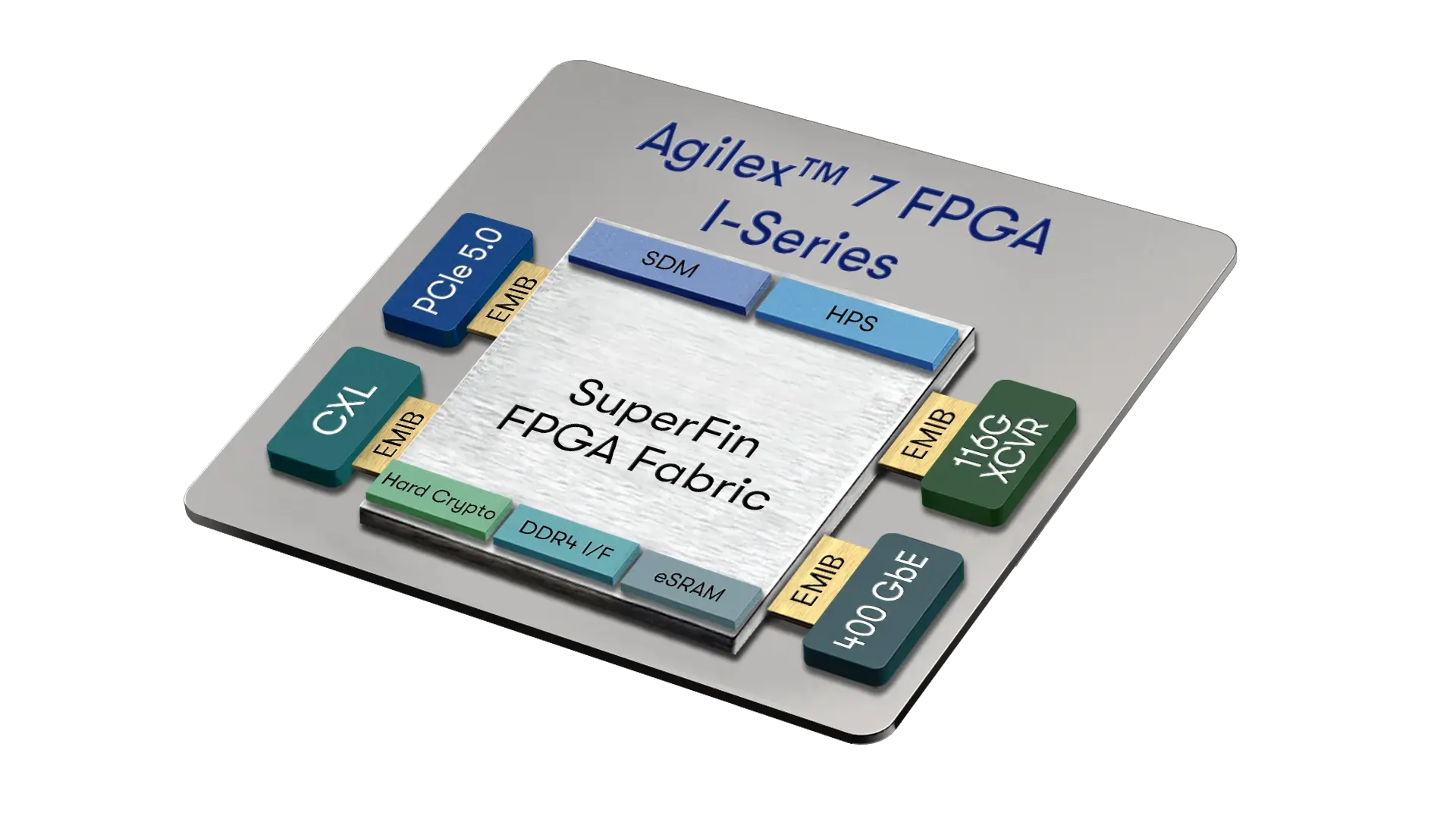
Agilex™ 9 and Agilex™ 7
High-performance FPGA and SoC directions for bandwidth-intensive compute, networking, memory, PCIe, CXL, and acceleration platforms.
Review High PerformanceAgilex™ 5 and Arria® 10
Mid-range FPGA and SoC directions for embedded processing, DSP, video, industrial, communications, and edge workloads.
Review Mid-Range DevicesAgilex™ 3 and Cyclone®
Power- and cost-optimized FPGA or SoC directions for general logic, interfaces, motor control, industrial systems, and embedded products.
View Cyclone ProductsMAX® 10 and MAX® V
Non-volatile programmable logic directions for board management, bridging, sequencing, I/O expansion, control, and compact integration.
View MAX ProductsStratix® and Arria® Platforms
Established high- and mid-range platforms for complex logic, transceivers, DSP, networking, test, video, and long-lived equipment.
View Stratix ExampleSoC FPGA Platforms
Hard processor systems combined with FPGA fabric for embedded Linux, real-time control, industrial networking, edge processing, and secure systems.
Review SoC DirectionQuartus® Prime and Design Tools
Compilation, timing analysis, simulation, power analysis, transceiver tools, embedded software, IP integration, and device programming context.
Review Toolchain ChecksInterfaces, DSP, AI, and IP
PCIe, Ethernet, memory controllers, video, communications, security, DSP, AI, and processor IP selected with the target device and software release.
Explore ApplicationsStart With Frequently Requested Altera Parts.
Use these Cyclone and MAX devices as direct part-number entry points. Confirm complete suffix, package, speed grade, temperature grade, lifecycle, programming context, and supply before purchasing.
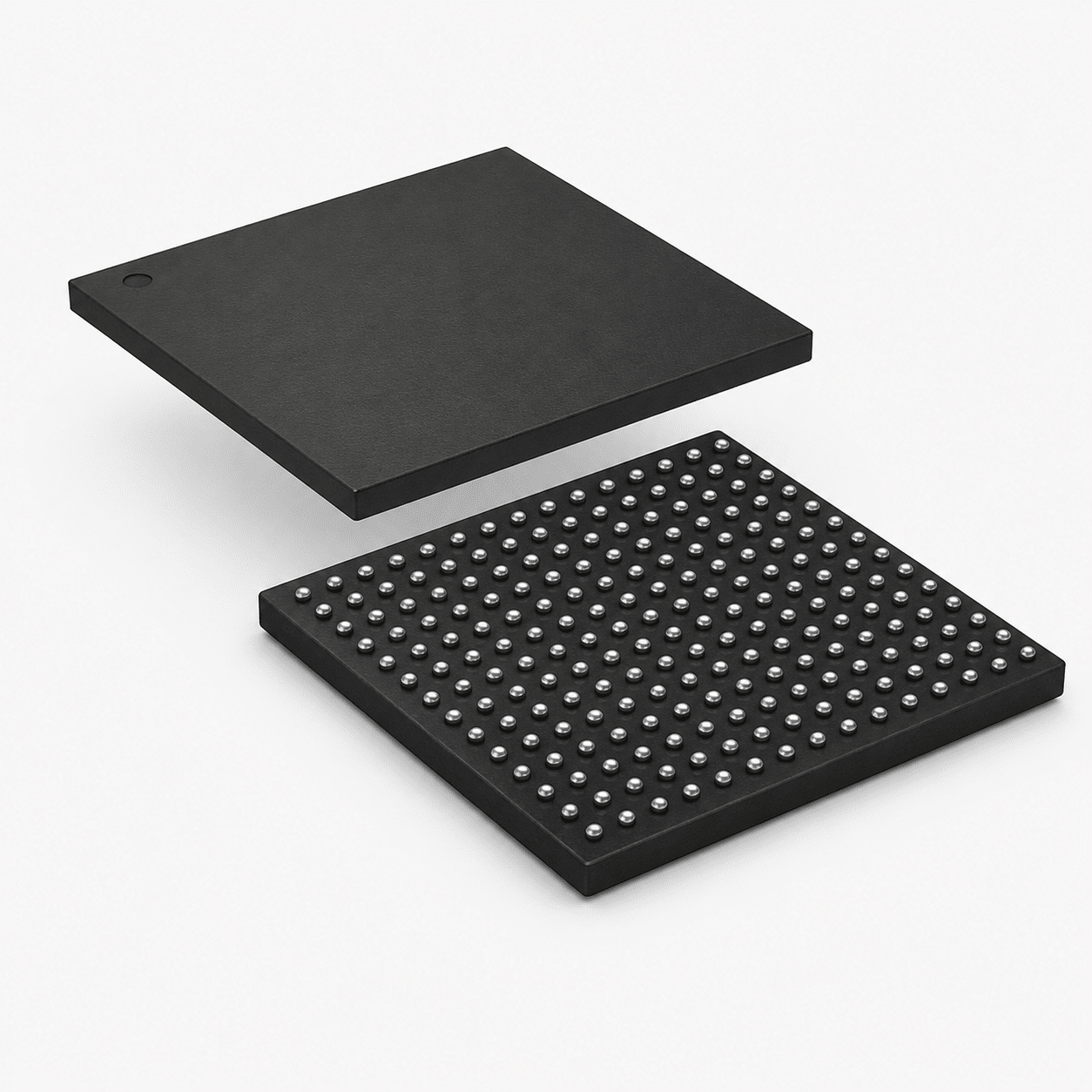 CYCLONE IV E FPGA
EP4CE10F17C8N
Cost-optimized programmable logic direction for established industrial and embedded systems.
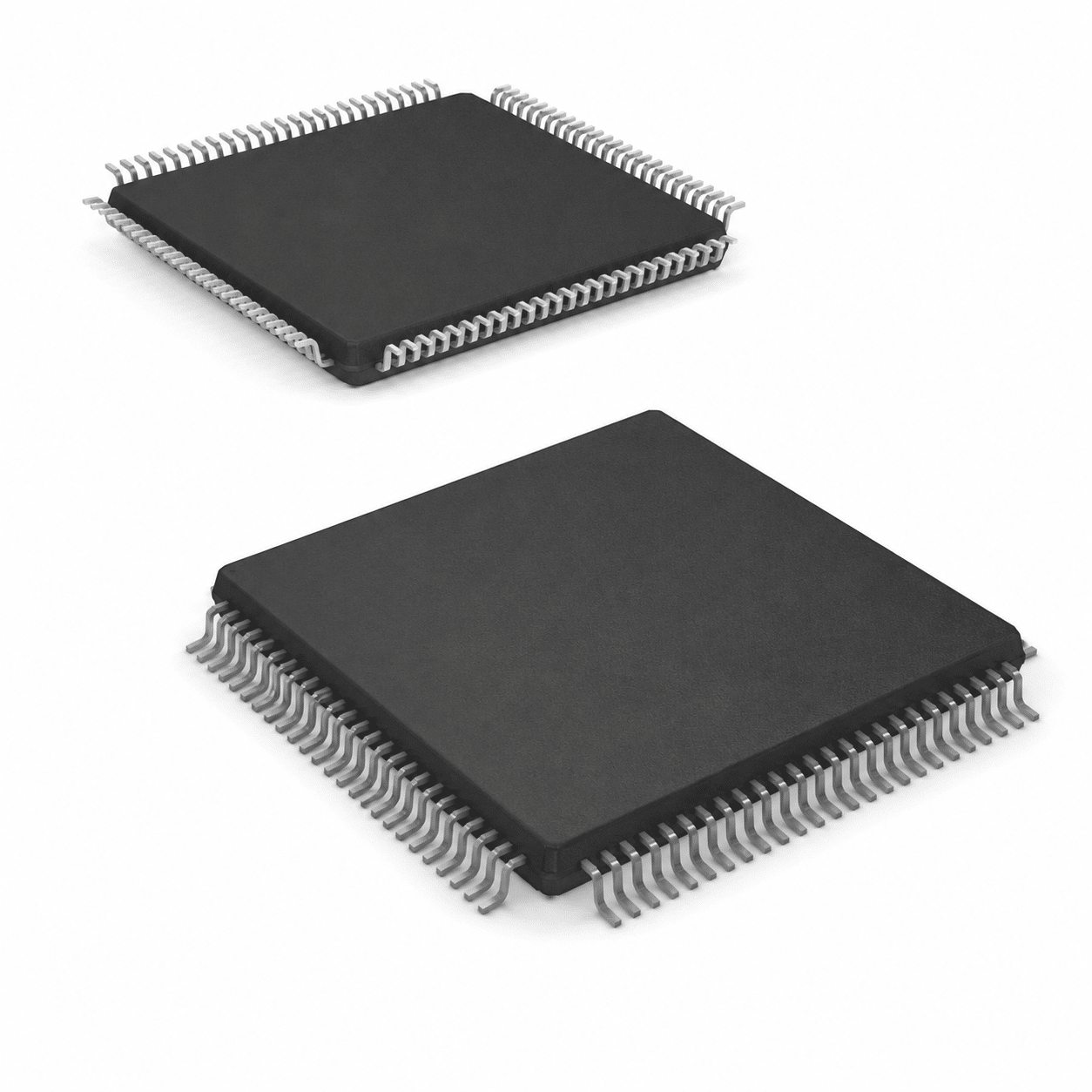 MAX II CPLD
EPM240T100C5N
Non-volatile CPLD direction for board control, bridging, sequencing, and logic integration.
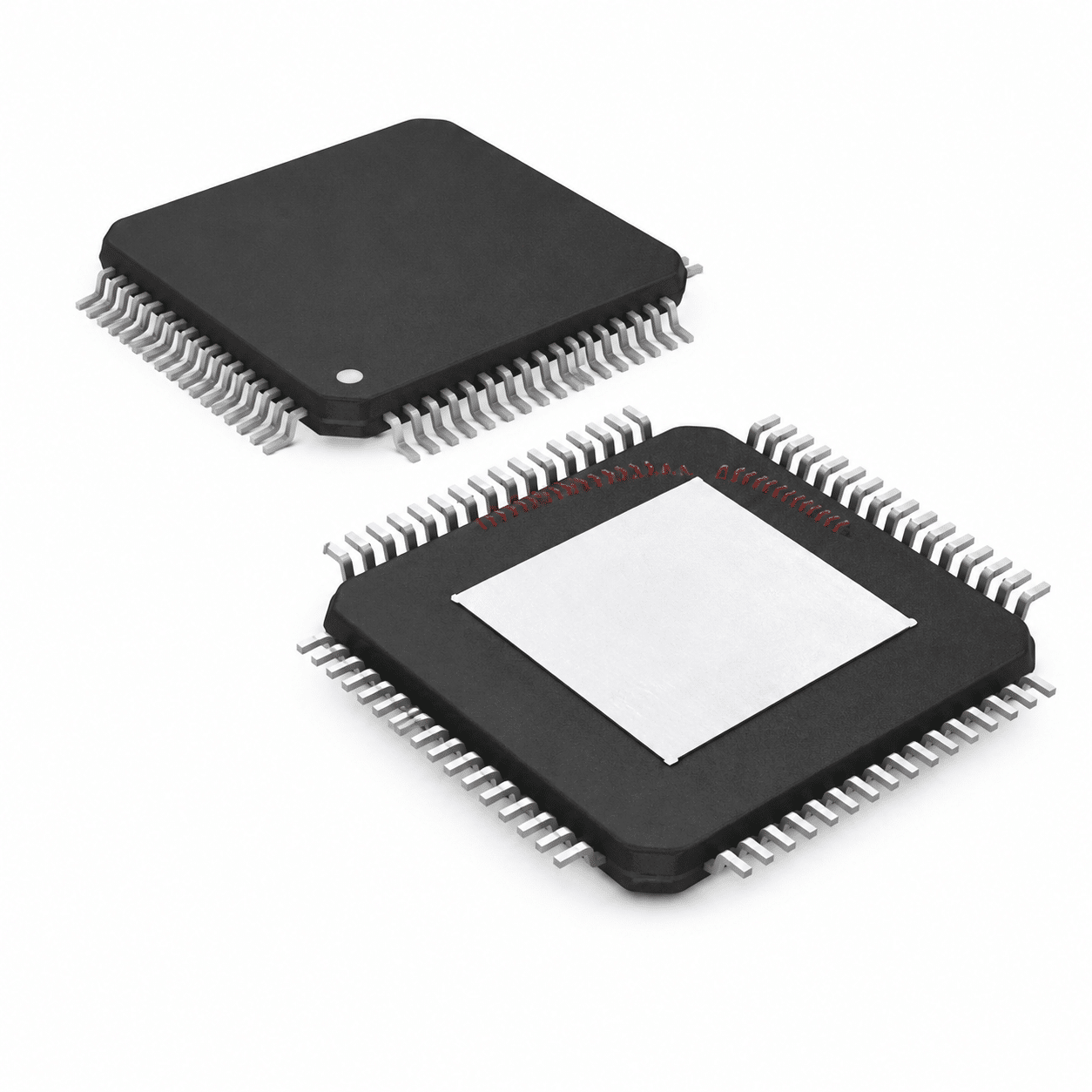 MAX V CPLD
5M160ZE64C5N
Compact programmable logic direction for I/O expansion and board-level control functions.
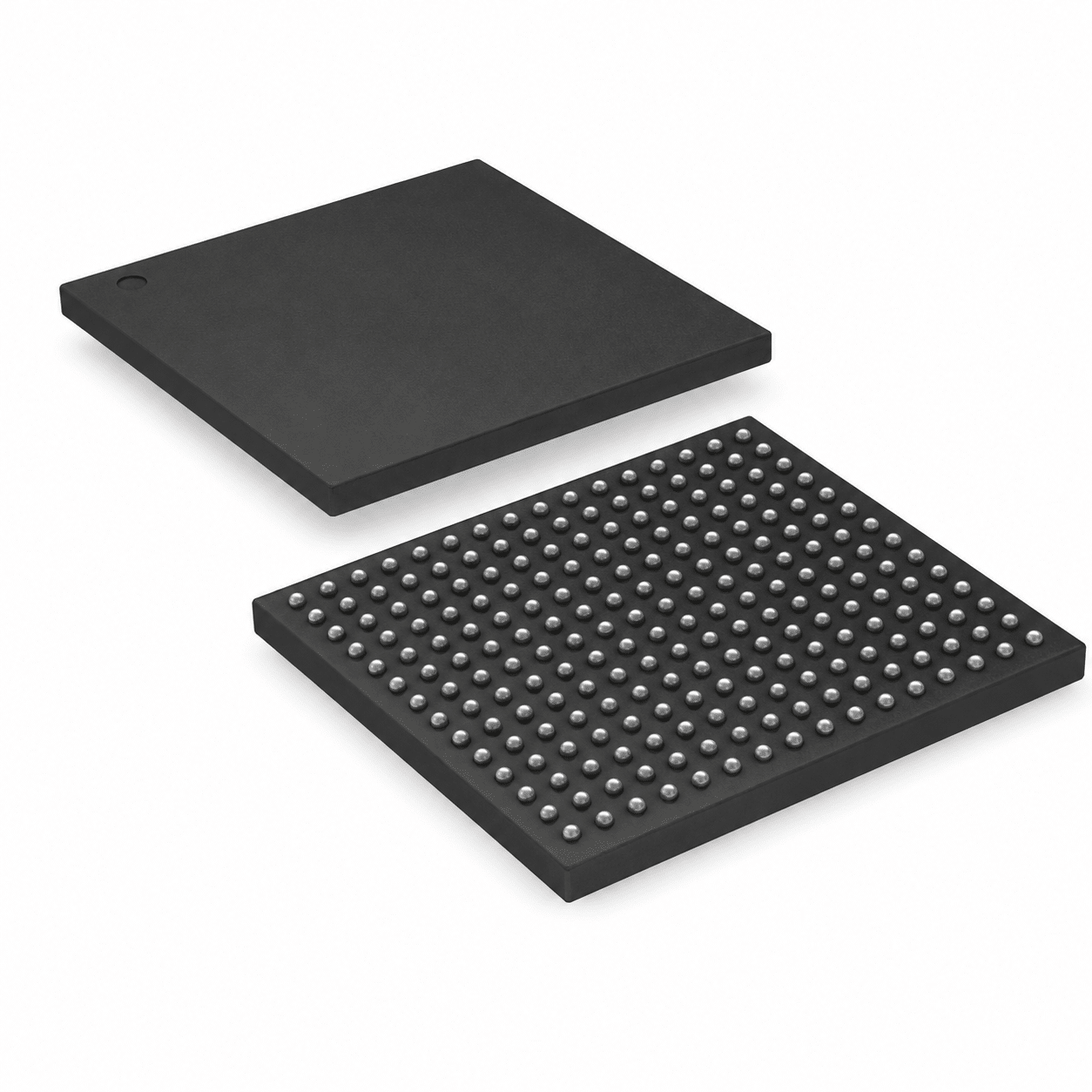 CYCLONE IV E FPGA
EP4CE22F17C8N
Programmable logic and DSP direction for established control and data-processing platforms.
Match the Workload to an Altera Direction.
Choose the application and primary function. The result provides a starting device direction and the design and purchasing details to confirm next.
Select the Application and Main Function.
Describe what the programmable logic must accelerate, connect, control, integrate, or maintain before choosing a device family.
The result is an initial family direction. Final selection depends on design analysis, software and IP support, board implementation, verification, compliance, lifecycle, and engineering approval.
Altera High-Performance FPGA Direction
Start with logic and DSP workload, latency, transceiver and memory bandwidth, PCIe or Ethernet needs, package, power, clocking, IP, software release, and board constraints.
Build the FPGA Around the Complete System.
An FPGA is part of a larger platform. Review the data path, processors, memory, interfaces, clocks, power, configuration, security, software, thermal design, and lifecycle together.
Automation, Robotics, and Motion
Coordinate deterministic I/O, motor and encoder interfaces, industrial Ethernet, safety partitioning, real-time processing, soft or hard processor, power, and long production life.
Networking and Protocol Bridging
Review Ethernet and PCIe rates, transceivers, packet processing, memory bandwidth, time synchronization, security, signal integrity, protocol IP, and management functions.
Imaging and Sensor Processing
Define sensor interfaces, pixel rate, buffering, color and image pipelines, AI inference, display output, latency, external memory, software control, and thermal limits.
SoC FPGA Control Platforms
Partition Linux or RTOS software and custom logic, then confirm boot, DDR, drivers, secure update, networking, real-time behavior, debug, and application lifecycle.
Board Management and Logic Integration
Combine reset, power sequencing, watchdogs, bridging, GPIO expansion, housekeeping, telemetry, configuration control, and fault handling in MAX or compact FPGA devices.
Instrumentation and Long-Life Equipment
Match interface timing, deterministic processing, I/O count, temperature, qualification, package, configuration, test access, revision control, and replacement authority.
Compare Altera Families by System Need.
Use portfolio position as a starting point, then confirm the exact device and software support against the complete architecture.
| System Need | Starting Direction | Typical Fit | Confirm Before Selection |
|---|---|---|---|
| Maximum bandwidth and acceleration | Agilex 9, Agilex 7, Stratix 10 | High-speed networking, PCIe and CXL, compute, memory-intensive data paths, and advanced DSP. | Transceiver rate, memory bandwidth, hard IP, DSP and AI blocks, package, power, cooling, Quartus edition, and IP support. |
| Mid-range processing and interfaces | Agilex 5, Arria 10, Arria V | Industrial, video, embedded edge, communications, instrumentation, and compact SoC platforms. | Logic and DSP resources, HPS needs, memory, transceivers, I/O, software, package, power, and lifecycle. |
| Power- and cost-optimized logic | Agilex 3, Cyclone 10, Cyclone V, Cyclone IV | General logic, protocol bridging, motor control, embedded processing, and established production systems. | Density, speed grade, I/O banks, memory, PLLs, configuration, package, temperature, software release, and migration path. |
| Instant-on board control | MAX 10, MAX V, MAX II | Board management, sequencing, GPIO expansion, bridging, control, and compact non-volatile logic. | Logic elements, user I/O, voltage banks, internal flash or configuration, package, programming hardware, lifecycle, and board compatibility. |
| Processor plus custom logic | Agilex, Arria, or Cyclone SoC FPGA | Embedded Linux, real-time control, industrial networking, edge analytics, and secure connected systems. | Processor architecture, DDR, fabric partition, boot chain, OS and drivers, security, toolchain, debug, and update strategy. |
Portfolio names do not replace device-level engineering review. Use the current manufacturer documentation for exact resources, speed, I/O, package, qualification, software support, and lifecycle.
Turn the FPGA Design Into an Orderable Device.
A family name is not enough. Confirm the complete ordering code, device variant, package, speed and temperature grades, transceivers, qualification, software context, lifecycle, quantity, evidence, and delivery requirements.
Transceivers, PCIe or CXL, memory bandwidth, DSP, hard IP, clocks, power, cooling, package, Quartus edition, and IP licenses.
Logic and DSP resources, I/O, memory, HPS, latency, external interfaces, software, package, thermal target, and lifecycle.
Density, I/O banks, PLLs, memory, DSP, configuration, package, speed grade, temperature, board constraints, and tool support.
Logic elements, I/O count, voltage, instant-on need, internal flash or configuration, package, programmer, lifecycle, and migration authority.
Complete suffix, package, grades, board revision, programming file, Quartus version, condition, traceability, inspection, and approved alternatives.
Browse Altera FPGA and CPLD Parts.
Filter representative Cyclone, MAX, and Stratix products. Search above when you already have an exact ordering code.
EP4CE10F17C8N
Cyclone IV E FPGA direction for established industrial, control, interface, and embedded logic platforms. Confirm the complete OPN, resources, package, grades, configuration, software, and lifecycle.
View EP4CE10F17C8NEPM240T100C5N
MAX II CPLD direction for board control, bus management, sequencing, bridging, and I/O integration. Confirm package, speed and temperature grades, I/O voltage, programmer, board, and tool compatibility.
View EPM240T100C5NEP4CE22F17C8N
Cyclone IV E FPGA direction for programmable data paths, interface logic, DSP, and control. Confirm logic and memory use, clocks, I/O, package, timing, bitstream, software, and lifecycle.
View EP4CE22F17C8N5M160ZE64C5N
MAX V CPLD direction for compact non-volatile logic, I/O expansion, sequencing, and board management. Confirm complete suffix, package, I/O banks, timing, programmer, and lifecycle.
View 5M160ZE64C5N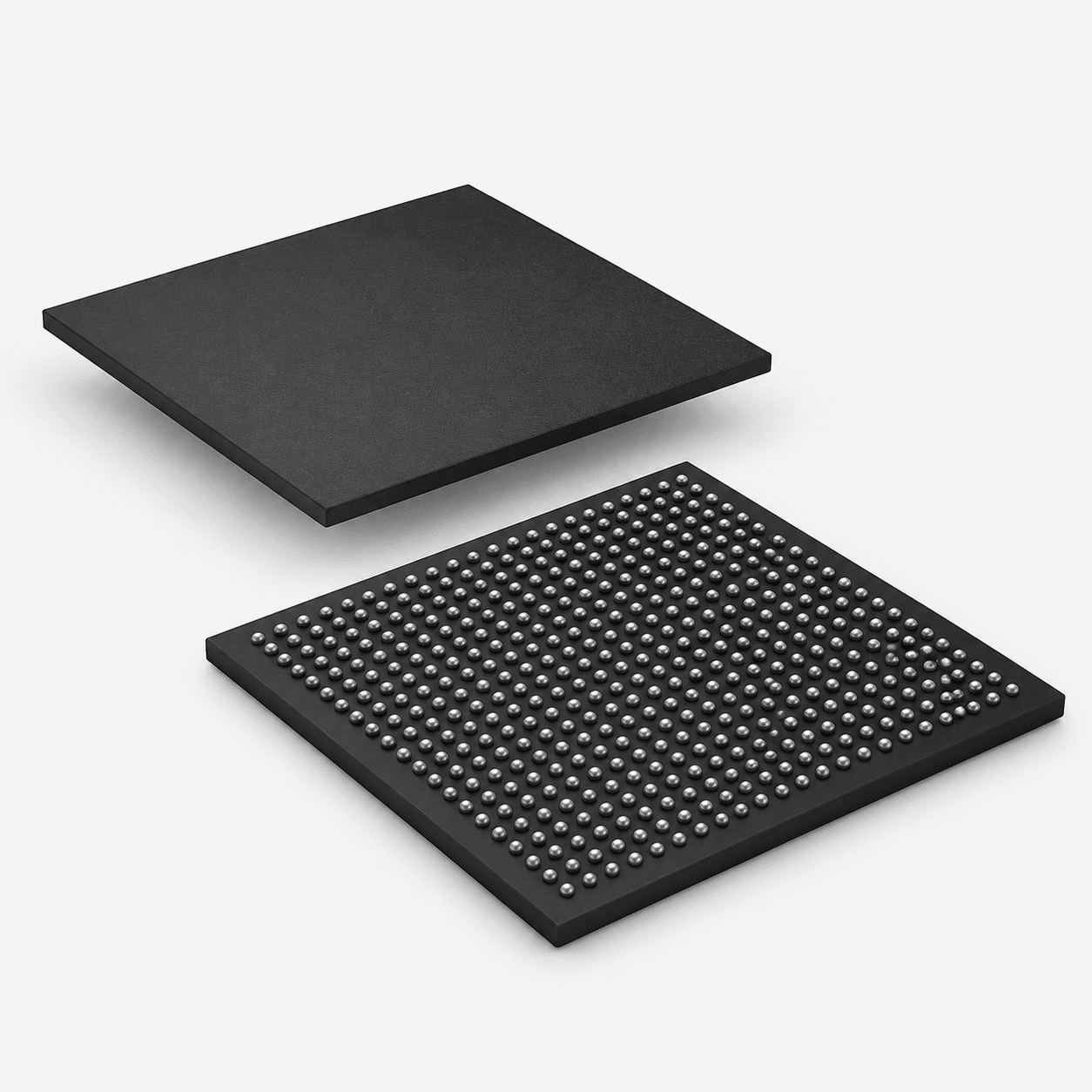
EP4CE55F23C8N
Higher-density Cyclone IV E FPGA direction for established processing and interface systems. Confirm resource use, package, speed and temperature grades, power, configuration, timing closure, and software.
View EP4CE55F23C8N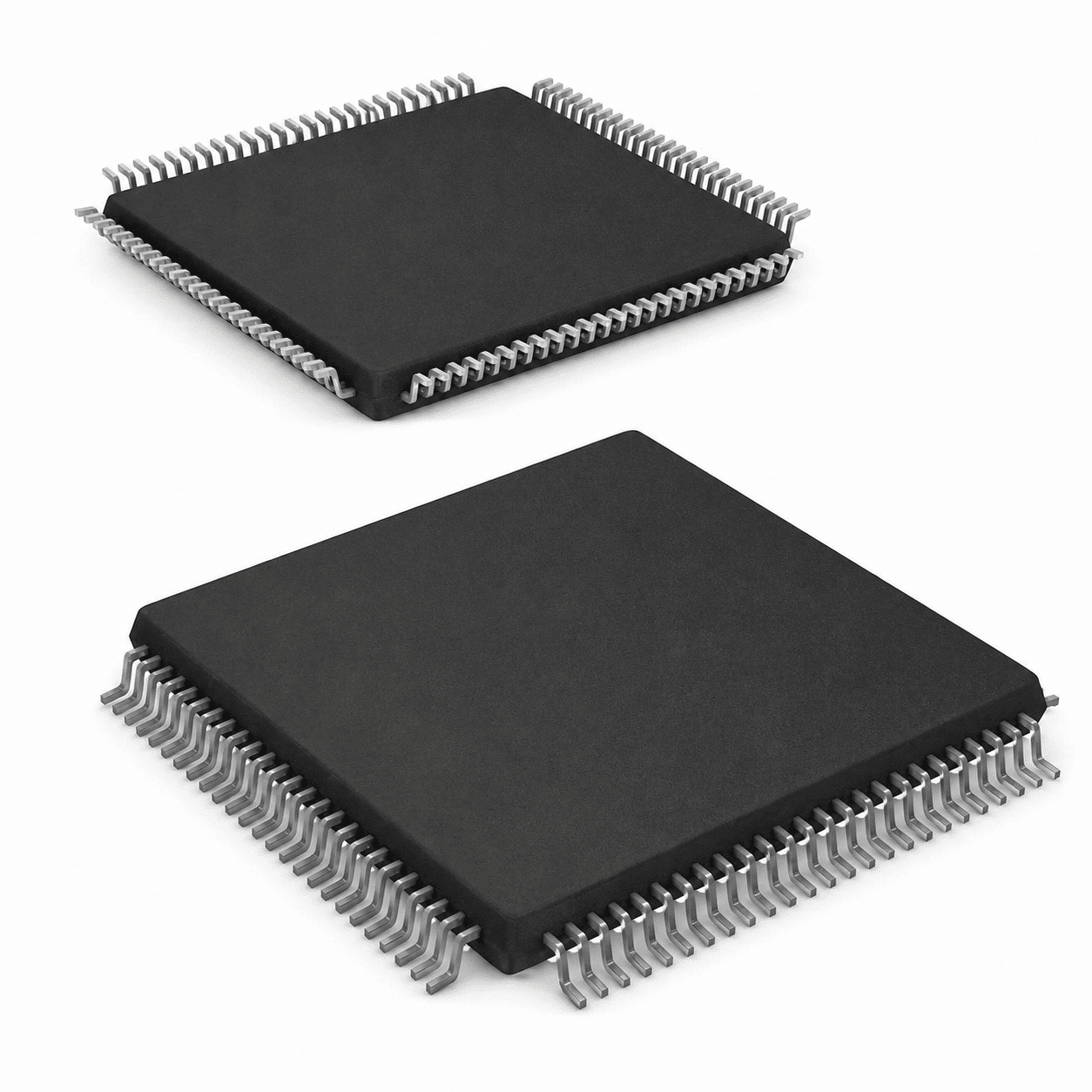
EPM570T100C5N
MAX II CPLD direction for denser board-level logic and long-lived equipment. Confirm the exact OPN, logic and I/O use, package, grades, programming file, Quartus baseline, and migration authority.
View EPM570T100C5N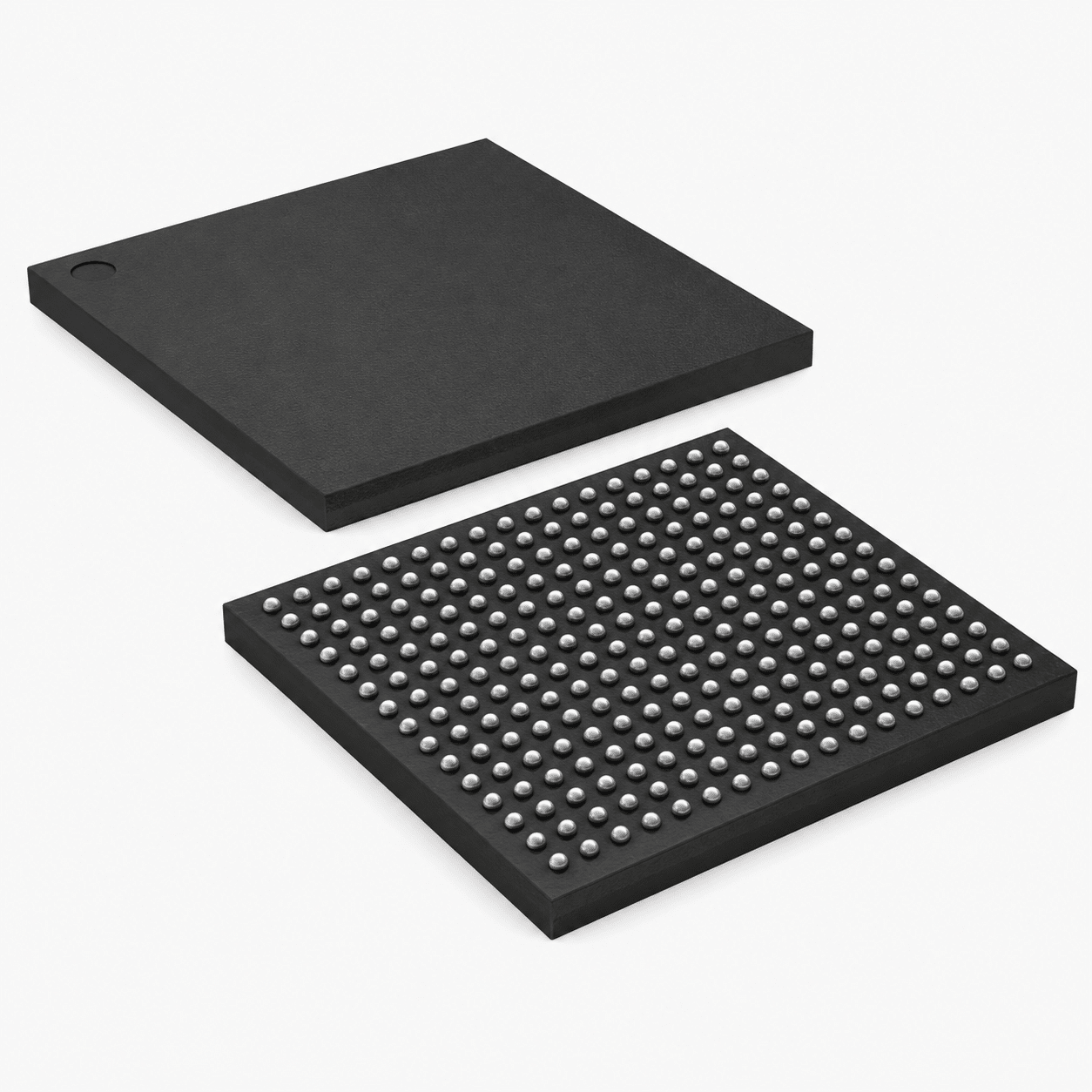
EP4CE6F17C8N
Compact Cyclone IV E FPGA direction for general logic, interfaces, sensing aggregation, and embedded control. Confirm resources, I/O, package, timing, configuration, power, software, and lifecycle.
View EP4CE6F17C8N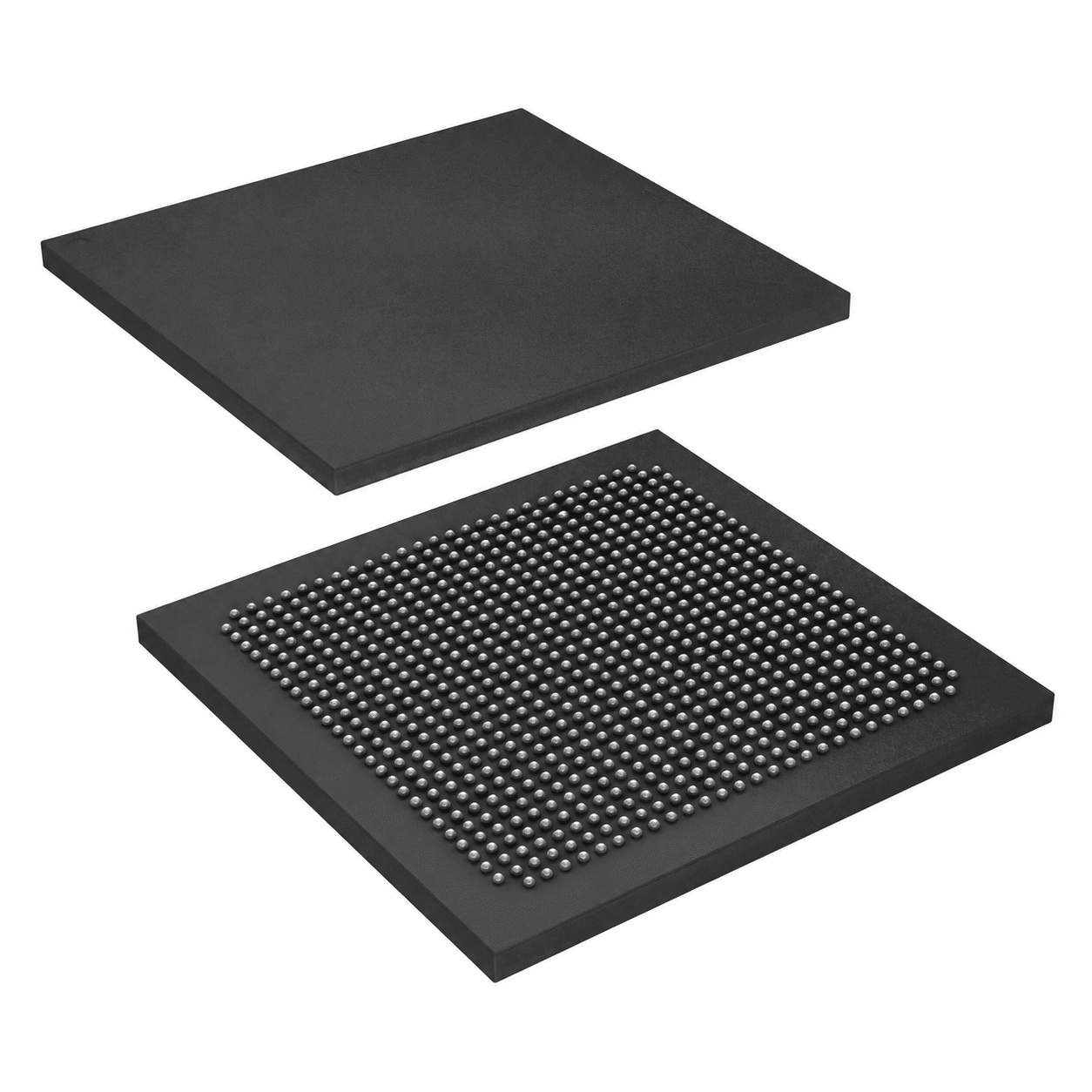
EP4SE360H29I3N
Stratix IV E FPGA direction for high-density logic in released communications, test, and data-processing platforms. Confirm package, grades, power, bitstream, Quartus version, lifecycle, and replacement authority.
View EP4SE360H29I3NCannot find the Altera part number? Send the complete OPN or family, device function, package and grades, quantity, board and software context, required date, destination, approved alternatives, and evidence requirements.

Review the Exact FPGA and Evidence Before Shipment.
YURUNOX reviews the quoted Altera device against the complete OPN, package and grades, lifecycle, source basis, quantity, commercial terms, and agreed evidence.
Manufacturer, complete OPN, family, density, package, speed and temperature grades, quantity, labels, packing, and available traceability.
Device status, current documentation, board revision, Quartus release, programming file, IP or software dependencies, and customer alternate authority.
Packaging and label photos, visual or microscopic condition, marking review, X-ray, electrical or other suitable checks when available and agreed.
Offered quantity, price basis, validity, lead time, payment, freight, date or lot information, exceptions, destination, and receiving requirements.
From FPGA Part Number to Purchase Approval.
A complete RFQ makes the hardware, software, lifecycle, quality, commercial, and delivery expectations visible before the order moves forward.
EP4CE10F17C8N for a Released Control Platform
The buyer needs the exact FPGA used by a validated board and production bitstream. Any alternative must be reviewed against package, pinout, resources, timing, power, configuration, Quartus baseline, and engineering approval.
Align the Released Design
Confirm application, exact OPN, package, speed and temperature grades, board revision, bitstream, Quartus version, quantity, required date, and alternate authority.
Review the Offered Supply
Record source basis, offered quantity, condition, packing, available date or lot information, lead time, price basis, validity, and exceptions.
Agree the Evidence
Define label, packaging, visual, microscopic, marking, X-ray, electrical, documentation, or other requirements when suitable and agreed.
Approve Release and Delivery
Review evidence, exceptions, commercial terms, shipping documents, protective packaging, carrier handoff, destination, and tracking.
Altera FPGA Sourcing FAQ.
Use these answers to prepare an exact part-number search, design-in request, shortage review, legacy-device order, or BOM quotation.
What information should I provide for an Altera FPGA RFQ?
Provide the complete OPN, quantity, package and grade requirements, application, board and software context, required date, destination, approved alternatives, and evidence or inspection requirements. For a new design, also include workload, interfaces, memory, processor, power, thermal, and toolchain requirements.
Why is the full suffix important?
The suffix can identify package, speed grade, temperature range, and other orderable attributes. A base family or partial number is not sufficient for a released board or validated bitstream.
Can you help with Cyclone IV, MAX II, MAX V, or Stratix IV parts?
YURUNOX can review exact legacy or established-platform ordering codes subject to actual supply. Include the board revision, programming file or bitstream context, Quartus version, quantity, date requirement, and alternate authority.
Can another FPGA replace the requested device?
Only after engineering review. Resource count alone does not establish compatibility; pinout, I/O voltage, clocks, memory, hard IP, transceivers, timing, power, configuration, package, HDL, IP, software, and verification can all change.
Do you support BOM and shortage requests?
Yes. Send the complete BOM or shortage list with quantities, exact suffixes, target date, destination, acceptable splits, approved alternatives, and required evidence. Availability and commercial terms are confirmed for the actual quotation.
What evidence can be reviewed before shipment?
Depending on the actual supply and agreed scope, review may include labels, packaging, available traceability, visual or microscopic condition, marking review, X-ray, electrical checks, documentation, date or lot information, and recorded exceptions.
Can you select an FPGA from only a product-family name?
A family is only a starting point. Final selection requires the workload, interfaces, logic, DSP and memory estimates, transceiver needs, package, power, software and IP support, qualification, lifecycle, and engineering verification.
How are availability and lead time confirmed?
Availability, offered quantity, condition, source basis, lead time, validity, payment, freight, and evidence are confirmed for the actual ordering code and quotation rather than assumed from a generic family page.
Send Your Altera Part Number, BOM, or FPGA Requirement.
Include the system function, interfaces, resource needs, preferred OPN or family, package and grades, software baseline, quantity, target date, destination, approved alternatives, and evidence requirements.