

Wireless, RF, Sensors & I/O Components
Source wireless ICs, cellular and GNSS modules, RF front-end devices, sensors, transceivers, I/O expanders, connectors, antennas, and interconnect around the actual protocol, frequency, link, measurement, interface, certification, environment, lifecycle, quality, and delivery requirement.
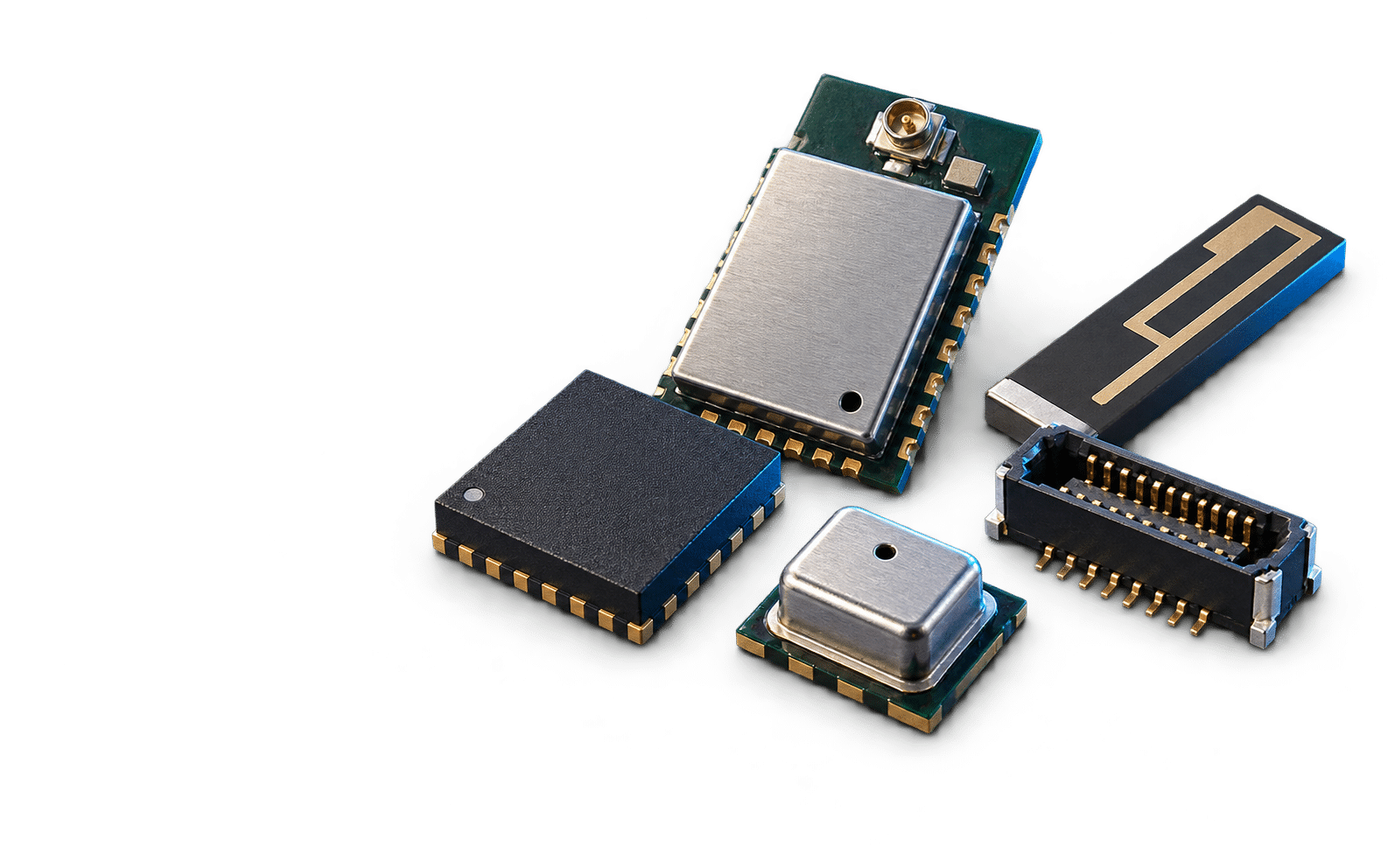
Choose the System Function Before the Part
Begin with what must communicate, transmit, receive, locate, measure, switch, or connect. Then narrow the family using protocols, bands, RF performance, accuracy, range, interfaces, certification, package, environment, software, and lifecycle.
Wireless ICs, SoCs & Modules
Wi-Fi, Bluetooth, Zigbee, Thread, Matter, proprietary sub-GHz, and multiprotocol connected products.
- Protocol version and coexistence
- Host, firmware and software stack
- Output power, sensitivity and antenna
Cellular, GNSS & IoT Modules
2G through 5G, LTE Cat 1/4, LTE-M, NB-IoT, GNSS, smart modules, and regional IoT deployments.
- Deployment market and band set
- Operator and regulatory approvals
- SIM, antenna, host and firmware
RF Front End & Transceivers
Transceivers, PAs, LNAs, mixers, synthesizers, switches, filters, attenuators, couplers, and matching components.
- Frequency, bandwidth and modulation
- Gain, noise, linearity and power
- Impedance, layout and thermal limits
Sensors & Sensing ICs
Pressure, temperature, humidity, magnetic, position, motion, force, current, optical, image, and environmental sensing.
- Measured range and accuracy
- Response, drift and calibration
- Output, package and media compatibility
Transceivers, Interface & I/O
CAN, LIN, RS-232/485, Ethernet PHY, USB, level translation, isolators, I/O expanders, GPIO, and interface protection.
- Standard, speed and node topology
- Logic levels, isolation and ESD
- Package, termination and fail-safe needs
Connectors, Antennas & Interconnect
RF, coaxial, board, cable, circular, high-speed, power, sensor, and harsh-environment connection systems.
- Mechanical, electrical and RF interface
- Mating, sealing and cycle requirements
- Cable, mounting and environmental fit
Continue From the Exact Device or Module
Open a known product or send another complete ordering code with quantity, target date, destination, regional, package, software, certification, and evidence requirements.
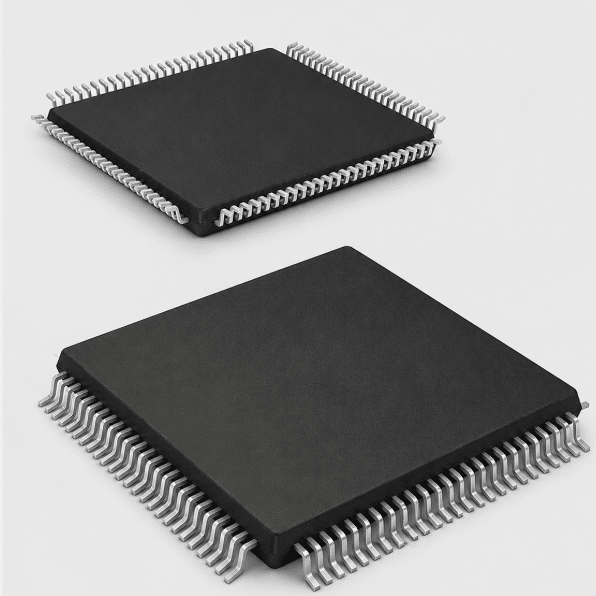
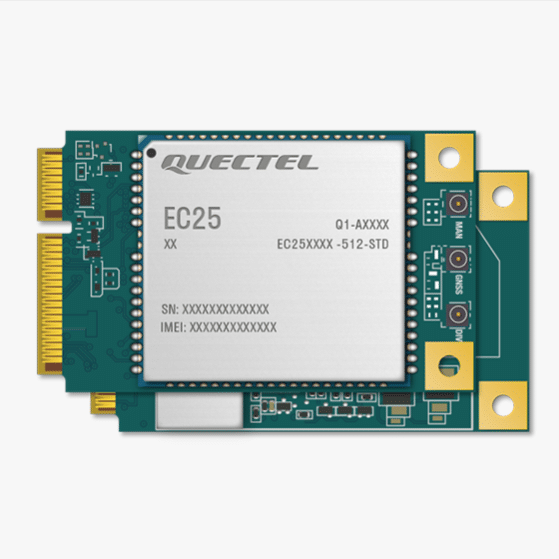
Define the Link, Measurement or Interface First
A protocol name, frequency, or sensing category alone is not enough. Confirm the deployment, physical path, electrical limits, environment, approvals, host, software, and lifecycle.
Protocol & Deployment
Network type, topology, device role, host, software, target market, carrier, operator, and regulatory context.
Cellular · Wi-Fi · Bluetooth · Thread · Matter · GNSSFrequency & RF Path
Band, channel width, modulation, impedance, output power, sensitivity, gain, noise, linearity, antenna, and cable loss.
Sub-GHz · 2.4 GHz · 5/6 GHz · Licensed BandsSensor Measurement
Physical variable, range, accuracy, resolution, response, drift, calibration, media, mounting, and output.
Pressure · Temperature · Position · Motion · OpticalInterface & Protection
Bus standard, data rate, logic level, nodes, termination, isolation, surge, ESD, common mode, and fail-safe behavior.
CAN · LIN · RS-485 · Ethernet · USB · GPIOMechanical & Environment
Package, footprint, connector, antenna, enclosure, sealing, temperature, vibration, moisture, chemicals, and qualification.
IC · Module · Board · Connector · Cable · AntennaLifecycle & Approval
Product status, firmware, revision, certification, PCN control, validation baseline, longevity, and alternate authority.
Active · Allocation · NRND · EOL · Controlled RevisionFour Ways the Search Can Begin
The response changes depending on whether the exact MPN is known, the system function is still open, or supply and certification risk are driving the purchase.
Exact MPN Sourcing
Confirm manufacturer, suffix, quantity, target date, destination, regional variant, package, firmware, and evidence expectations.
Function-to-Family Direction
Start with what must connect or measure, protocol, range, frequency, accuracy, interface, environment, software, and approvals.
Shortage, Allocation or EOL
Review exact identity, revision, source condition, certification impact, alternatives, validation authority, timing, and evidence.
Connectivity or Sensor BOM
Keep modules, RF devices, sensors, controllers, interface ICs, connectors, antennas, cable, and protection lines together.
Match the Component to the Real Deployment
Wireless range, RF behavior, sensing accuracy, mechanical interface, certification, and service life change with the operating environment and system architecture.
Industrial Automation
Factory wireless, sensing, motion, machine vision, field interfaces, gateways, tracking, and predictive maintenance.
EMC · Isolation · Industrial Temperature · Long LifecycleAutomotive & Transportation
Telematics, GNSS, V2X, infotainment, radar support, position, pressure, temperature, and vehicle networks.
Qualification · Regional Bands · Functional Context · Thermal RangeSmart Home & IoT
Connected appliances, lighting, security, environmental sensing, gateways, metering, and battery-powered nodes.
Low Power · Multiprotocol · Range · CertificationNetworking & Communications
Routers, access points, base stations, optical equipment, switching, RF distribution, and high-speed interconnect.
Throughput · RF Linearity · Signal Integrity · AvailabilityMedical & Instrumentation
Patient monitoring, diagnostic equipment, wearables, measurement, calibration, isolation, and controlled connectivity.
Accuracy · Isolation · Data Integrity · Controlled ChangeTracking & Mobile Systems
Asset tracking, fleet, logistics, portable terminals, navigation, geofencing, telemetry, and remote monitoring.
Coverage · GNSS Performance · Power Budget · Regional ApprovalTurn the System Link Into an Orderable Part
Use these fields to organize the first sourcing and engineering conversation. Final selection should be validated against current manufacturer documentation and the complete product design.
| Decision Area | Questions to Confirm | Why It Changes the Part |
|---|---|---|
| System Function | Connect, locate, transmit, receive, measure, switch, translate, isolate, protect or physically interconnect | Separates wireless IC, module, RF front end, sensor, interface IC, connector and antenna directions. |
| Protocol & Market | Technology, version, topology, bands, target countries, carriers, operators, regulatory and product approvals | Changes device variant, supported features, firmware, antenna design and market eligibility. |
| RF & Link Budget | Frequency, bandwidth, modulation, output, sensitivity, gain, noise, linearity, impedance, range and antenna loss | Determines RF architecture, front-end components, layout, thermal design and achievable range. |
| Measurement & Interface | Range, accuracy, resolution, response, drift, output, bus speed, levels, nodes, isolation, termination and protection | Defines sensor technology, conditioning, transceiver, I/O, calibration and protection requirements. |
| Mechanical & Environment | Package, footprint, connector, cable, antenna, sealing, media, temperature, vibration, moisture and qualification | Changes ordering suffix, mounting, enclosure, assembly and acceptable product grade. |
| Software & Lifecycle | Host, driver, BSP, firmware, revision, certification baseline, product status, longevity and substitute authority | A pin-compatible device can still fail software, certification, revision-control or lifecycle requirements. |
Browse Connectivity, Sensor & I/O Brands
Open a manufacturer solution page when the preferred brand is known, or use the complete brand directory for a broader product search.








Confirm More Than the Protocol or Sensor Type
A family name, frequency, or measured variable does not define an orderable part. Confirm the complete ordering code and the conditions that affect system fit, certification, acceptance, and supply.
Review Quality AssuranceIdentity & Ordering Code
Manufacturer, family, regional variant, package or form factor, grade, revision, firmware, and suffix.
System & Certification Fit
Protocol, bands, RF path, sensor range, interface, antenna, host, software, regulatory, operator, and product approvals.
Lifecycle & Supply
Product status, source basis, condition, quantity, timing, lot or revision information, alternatives, and validation authority.
Evidence & Release
Labels, packaging, available traceability, visual and marking review, agreed tests, exceptions, and approval.
Handling & Delivery
ESD and moisture protection, antenna or connector protection, packing, labels, documents, carrier, destination, and tracking.
Questions Before Sending the Requirement
Final component selection and approval should be based on current manufacturer documentation and the complete system requirement.
View All Frequent QuestionsCan I request one exact wireless, RF, sensor, or interface part?
Yes. Send the complete MPN, manufacturer, quantity, required date, destination, and any regional, protocol, package, revision, certification, documentation, or inspection requirements.
What should I provide when the exact part number is not known?
Start with the system function, protocol, target markets, frequency, RF performance, measured variable, range, accuracy, interface, host, software, power, package, environment, approvals, and lifecycle.
What matters when comparing a wireless or sensor alternate?
Compare protocol and feature support, regional bands, RF performance, interface, sensor accuracy and drift, package and pinout, software, firmware, certifications, qualification, lifecycle, and engineering approval authority.
Can I upload a mixed connectivity and sensor BOM?
Yes. Include quantities, target dates, destination, approved manufacturers, substitute authority, deployment markets, system context, and which lines require additional evidence or special review.
What evidence can be reviewed before shipment?
The agreed scope can include part identity, labels, packaging, available lot or traceability information, visual and marking review, test evidence, exceptions, and shipment preparation.
Send the Wireless, RF, Sensor or I/O Requirement
Start with an exact MPN, multi-line BOM, shortage list, protocol, measurement, or interface need. Include what is known now and clarify the remaining decision fields during review.