


Sony Image Sensor and Imaging Solutions.
Connect the imaging task, lighting, motion, spectrum, optics, interface, and environmental requirements of your system with a suitable Sony image-sensor direction—then source the exact IMX or ISX part number with order-specific availability, evidence, and delivery terms.

Already know the IMX or ISX number?
Search one sensor MPN, family, or imaging keyword.
Global-shutter direction for fast-moving inspection targets.
High-sensitivity rolling-shutter direction for difficult lighting.
Specialized sensing where visible RGB is not enough.
ToF, SPAD, event-based, and automotive directions.
Choose the Sony sensor by what the camera must see.
The final sensor depends on the target, motion, lighting, spectrum, optics, frame rate, exposure, interface, processing path, mechanics, temperature, qualification, and lifecycle—not resolution alone.
Inspect fast-moving objects without distortion
Define object speed, field of view, working distance, smallest feature, exposure time, illumination, frame rate, trigger, interface, and processing bandwidth.
Capture usable images in difficult lighting
Confirm minimum illumination, dynamic range, exposure, motion, near-infrared response, color needs, noise, lens aperture, frame rate, and power limits.
Resolve fine detail over a wide inspection area
Start with the required object resolution, field of view, lens mount, sensor size, pixel size, image circle, frame rate, data rate, optics, and camera dimensions.
Reveal surface, stress, or material differences
Define the target material, spectral range, illumination, filter or polarization method, defect mechanism, calibration, required contrast, optics, and processing workflow.
Measure depth or capture rapid scene changes
Confirm distance range, accuracy, field of view, reflectivity, ambient light, motion, frame rate, illumination, eye safety, latency, interface, and software stack.
Build an automotive camera or LiDAR system
Define exterior or in-cabin function, HDR, low-light, LED flicker, resolution, frame rate, interface, safety and security context, temperature, qualification, and lifecycle.
Explore Sony image sensors by imaging method.
Use the family map to identify the technology direction before comparing exact resolution, image size, pixel, shutter, frame rate, interface, spectrum, package, and availability.
Global Shutter Sensors
Pregius and Pregius S directions for high-speed, low-distortion factory automation, inspection, logistics, and infrastructure imaging.
Find a directionRolling Shutter Sensors
High-resolution and high-sensitivity imaging for monitoring, security, embedded cameras, and scenes with controlled motion.
View productsPolarization Sensors
On-chip polarization direction for surface inspection, stress analysis, reflection reduction, shape, and material-related imaging.
View polarization productSWIR and UV Sensors
Specialized spectral imaging for materials, contamination, semiconductor inspection, high-voltage phenomena, and visibility beyond RGB.
Find a directionTime-of-Flight Sensors
Depth and distance-measurement direction for industrial perception, automation, safety, robotics, and automotive LiDAR contexts.
Find a directionEvent-Based Vision Sensors
High-temporal-resolution sensing direction for rapid movement, efficient event capture, tracking, and low-latency perception.
Multispectral Sensors
Multi-wavelength image capture for agriculture, material classification, inspection, analysis, and specialized machine vision.
Automotive Image Sensors
Vehicle exterior, surround, viewing, recognition, in-cabin, and SPAD depth directions for mobility applications.
Explore applicationsStart with frequently reviewed Sony sensors.
These products cover compact embedded imaging, higher-resolution capture, low-light monitoring, and polarization inspection. Confirm the exact suffix, documentation, interface, package, and lifecycle before approval.
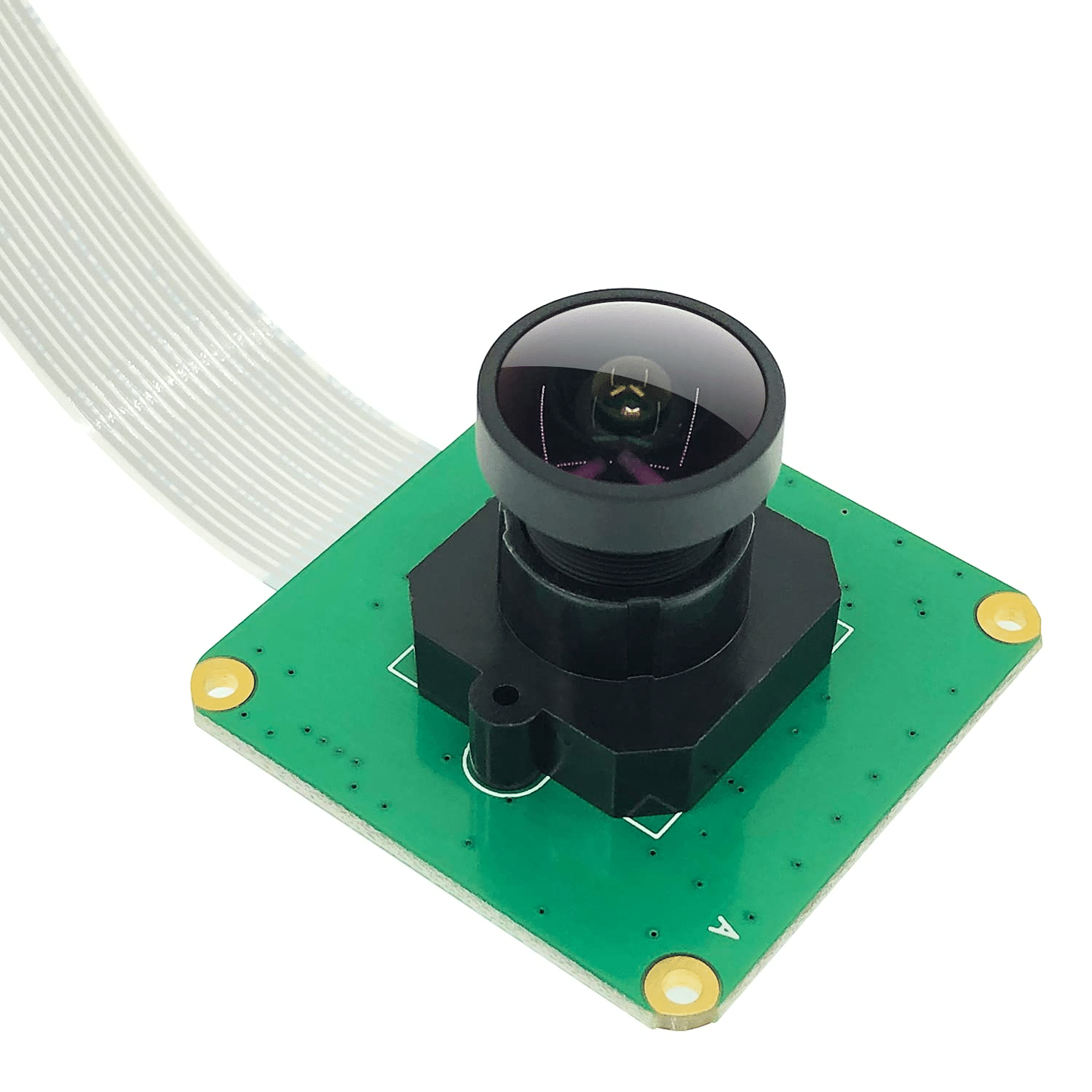 Compact CMOS Image Sensor
IMX219PQ
Compact high-resolution image-sensor entry for embedded camera and installed-base review.
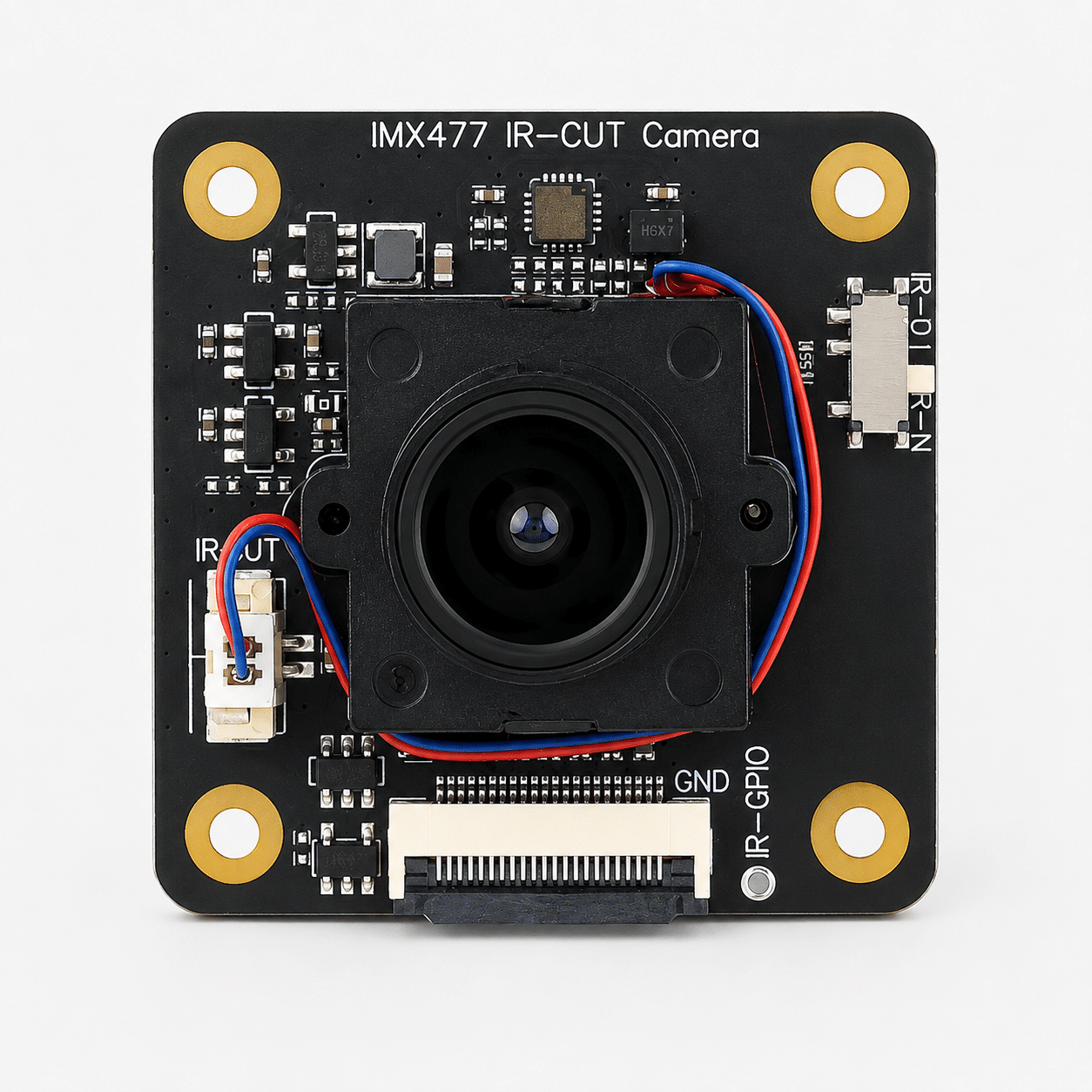 High-Resolution CMOS Sensor
IMX477MQR
Higher-resolution rolling-shutter direction; confirm optics, frame rate, interface, and motion conditions.
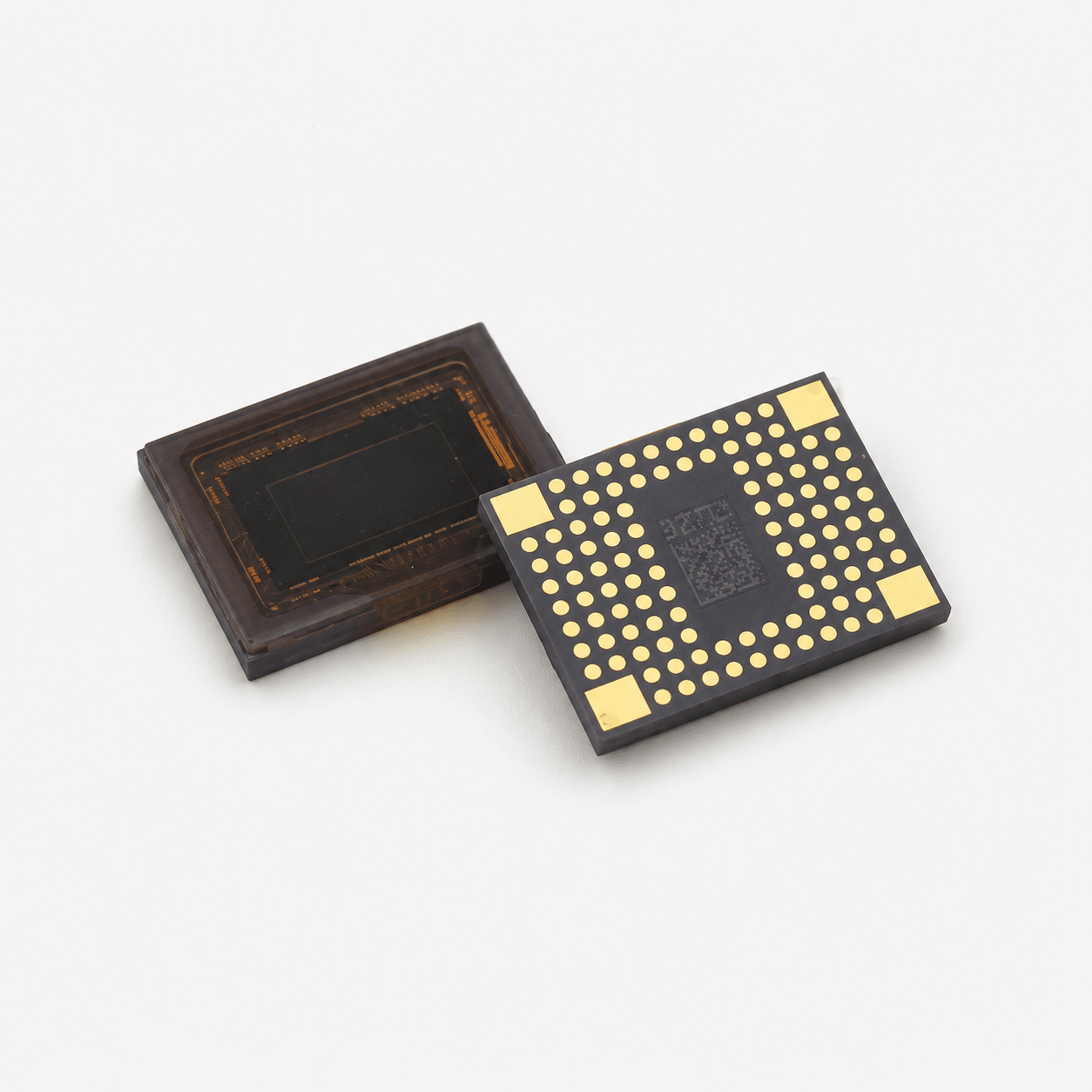 Low-Light CMOS Sensor
IMX327LQR
High-sensitivity imaging direction for monitoring and low-illumination camera systems.
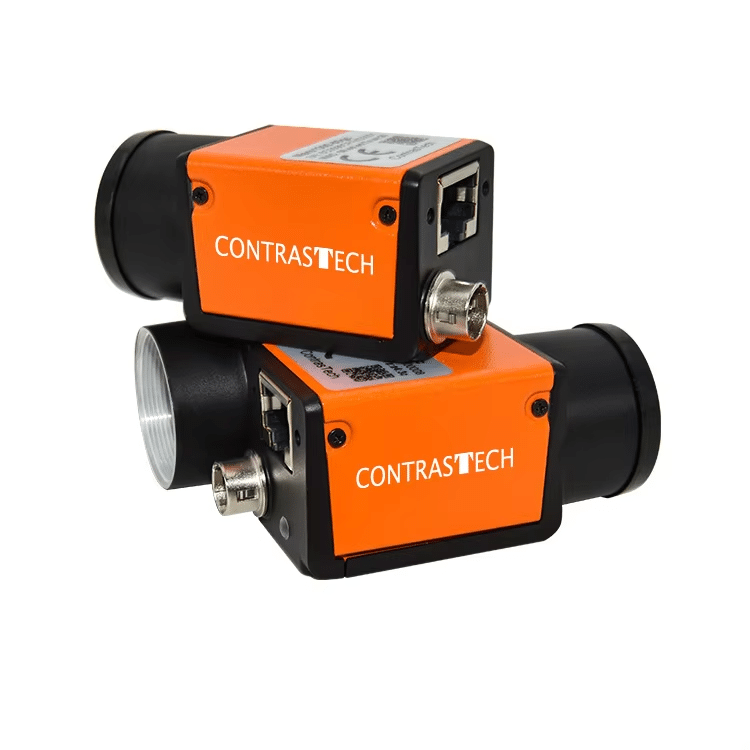 Polarization Image Sensor
IMX250MZR
Global-shutter polarization direction for reflection, surface, stress, shape, and material inspection.
Turn the scene requirement into a sensor direction.
This finder organizes the first review. Final selection requires the complete optical, electrical, mechanical, thermal, software, qualification, and lifecycle requirements.
What must the camera detect?
Select the imaging task and use environment to see a practical starting direction.
Global-shutter industrial sensor direction
Begin with target speed, field of view, working distance, smallest feature, exposure, illumination, frame rate, shutter efficiency, trigger, interface, and processing bandwidth.
Compare the parameters that change image quality.
A sensor with more pixels is not automatically a better fit. Review the complete optical path, motion, lighting, interface, processing budget, environment, and validation plan.
| Imaging Need | Initial Direction | Parameters to Confirm | System-Level Checks |
|---|---|---|---|
| Fast object inspection | Global shutter | Resolution, pixel, frame rate, exposure, shutter efficiency, trigger, interface | Object speed, illumination, lens, bandwidth, processing, synchronization |
| Low-light monitoring | Sensitive rolling shutter | Illumination, SNR, dynamic range, NIR, color, exposure, frame rate | Lens aperture, motion blur, IR lighting, ISP, compression, thermal noise |
| High-resolution detail | Large-format or fine-pixel sensor | Resolution, sensor size, pixel, image circle, output rate, interface | Object resolution, field of view, lens MTF, focus, data and storage |
| Surface and reflection analysis | Polarization sensor | Polarization direction, shutter, resolution, frame rate, interface, mono or color | Illumination geometry, optics, calibration, algorithm, material response |
| Material or spectral contrast | SWIR / UV / multispectral | Spectral band, resolution, pixel, sensitivity, interface, cooling or package | Illumination, lens transmission, filters, calibration, safety, processing |
| Depth perception | ToF or SPAD depth sensor | Range, accuracy, resolution, field of view, frame rate, ambient-light tolerance | Emitter, eye safety, reflectivity, interference, latency, software stack |
| Vehicle vision | Automotive image sensor | HDR, low light, LED flicker, resolution, interface, temperature, qualification | Camera function, optics, serializer path, safety, security, ECU, validation |
Connect Sony sensors to the complete vision system.
The right result comes from the sensor, optics, illumination, mechanics, interface, processing, calibration, software, and environmental design working together.
Inspection and Metrology
Global-shutter, high-resolution, polarization, SWIR, UV, and multispectral directions for measurement and defect detection.
Robotics and Automated Handling
High-speed image capture, depth, event-based vision, tracking, code reading, navigation, and safety-related sensing direction.
Security and Infrastructure
Low-light, high-dynamic-range, NIR, high-resolution, traffic, and remote monitoring camera directions.
Automotive Camera and LiDAR
Exterior sensing, surround view, recognition, in-cabin monitoring, and SPAD depth directions for vehicle systems.
Drones and Embedded Cameras
Compact rolling- or global-shutter sensing where size, power, interface, optics, motion, and processor support must align.
Semiconductor and Material Analysis
Polarization, SWIR, UV, multispectral, and high-resolution imaging for specialized inspection and classification.
Share the details that determine the image result.
A complete request helps separate image-sensor selection from commercial sourcing and reduces errors caused by an incomplete family name or unverified suffix.
Feature size, target speed, exposure, illumination, resolution, frame rate, trigger, interface
Lux level, motion, HDR, NIR, color, frame rate, lens, ISP, power, temperature
Material, reflection, polarization method, optics, lighting, calibration, processing
Spectrum, illumination, lens, filters, resolution, frame rate, calibration, software
Range, field of view, accuracy, ambient light, reflectivity, emitter, eye safety
Full suffix, package, quantity, target date, destination, alternatives, evidence scope
Review Sony image sensors by imaging role.
Each card is a product entry, not an inventory guarantee. Exact suffix, product status, documentation, package condition, availability, source condition, and commercial terms are confirmed for the specific RFQ.
Compact CMOS SensorIMX219PQ
Lifecycle and Suffix ReviewCompact high-resolution sensor entry; confirm exact suffix, interface, frame rate, package, optics, documentation, and lifecycle.
View productHigh-Resolution CMOS SensorIMX477MQR
Application and Interface ReviewHigher-resolution rolling-shutter entry; confirm sensor size, optics, frame rate, interface, motion, package, power, and thermal design.
View product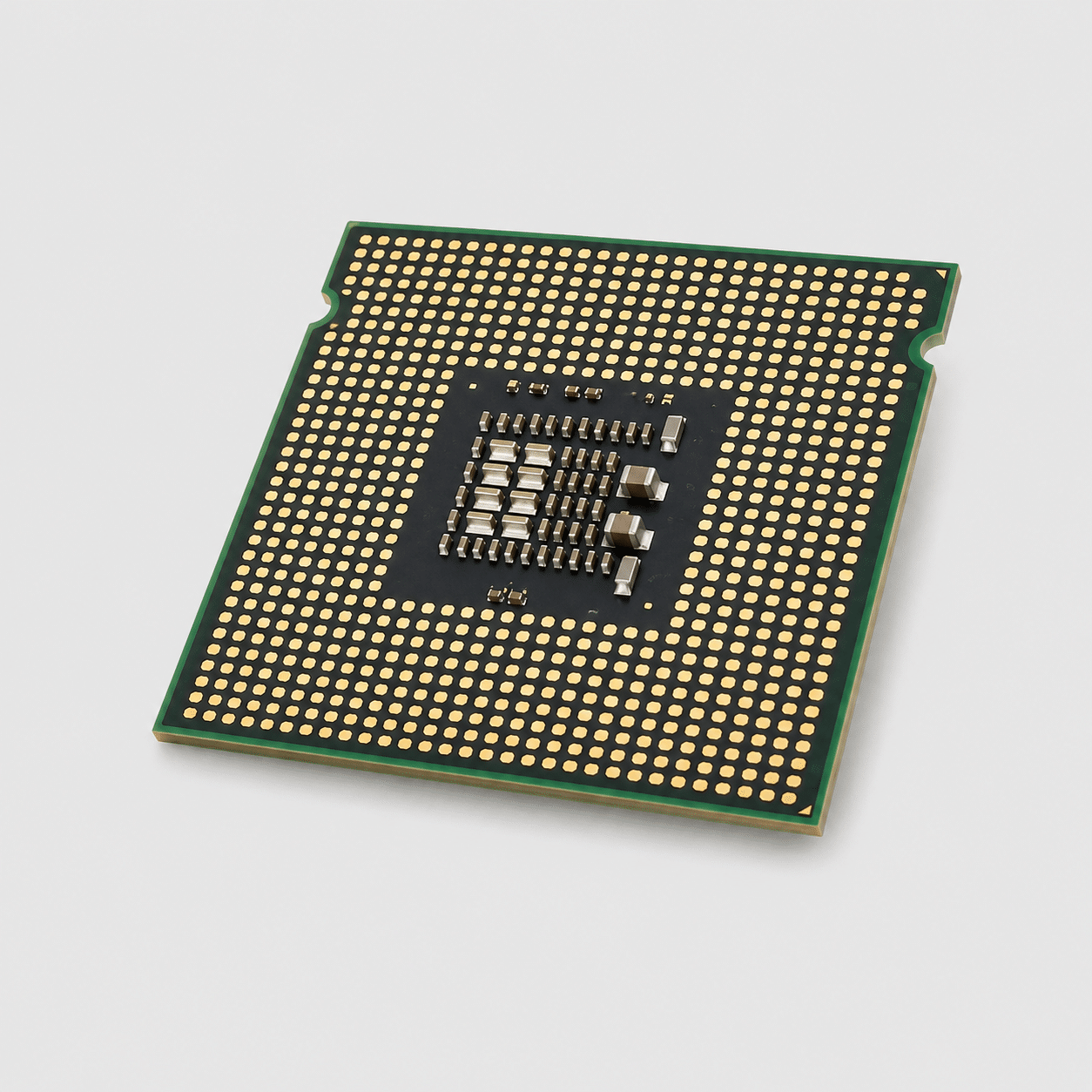 Low-Light CMOS Sensor
IMX290LQR
Low-Light System ReviewHigh-sensitivity imaging entry; confirm illumination, motion, HDR, NIR response, color, frame rate, lens, ISP, and lifecycle.
View product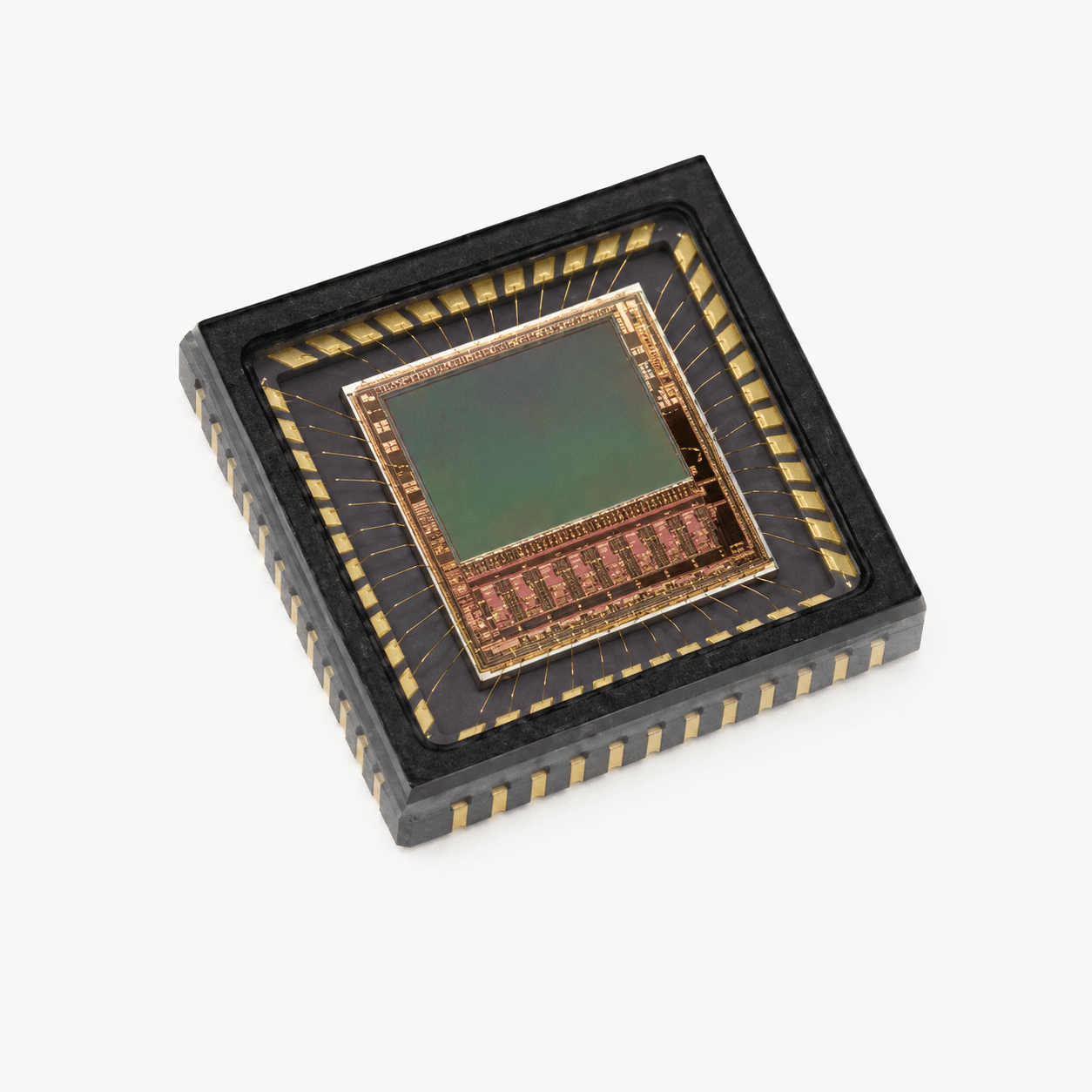 High-Resolution Low-Light Sensor
IMX335LQN
Application and Package ReviewHigh-resolution monitoring direction; confirm motion, illumination, sensor mode, frame rate, interface, package, optics, and ISP.
View productLow-Light CMOS SensorIMX327LQR
Low-Light System ReviewMonitoring and difficult-lighting entry; confirm illumination, NIR, motion, exposure, frame rate, lens, ISP, package, and status.
View product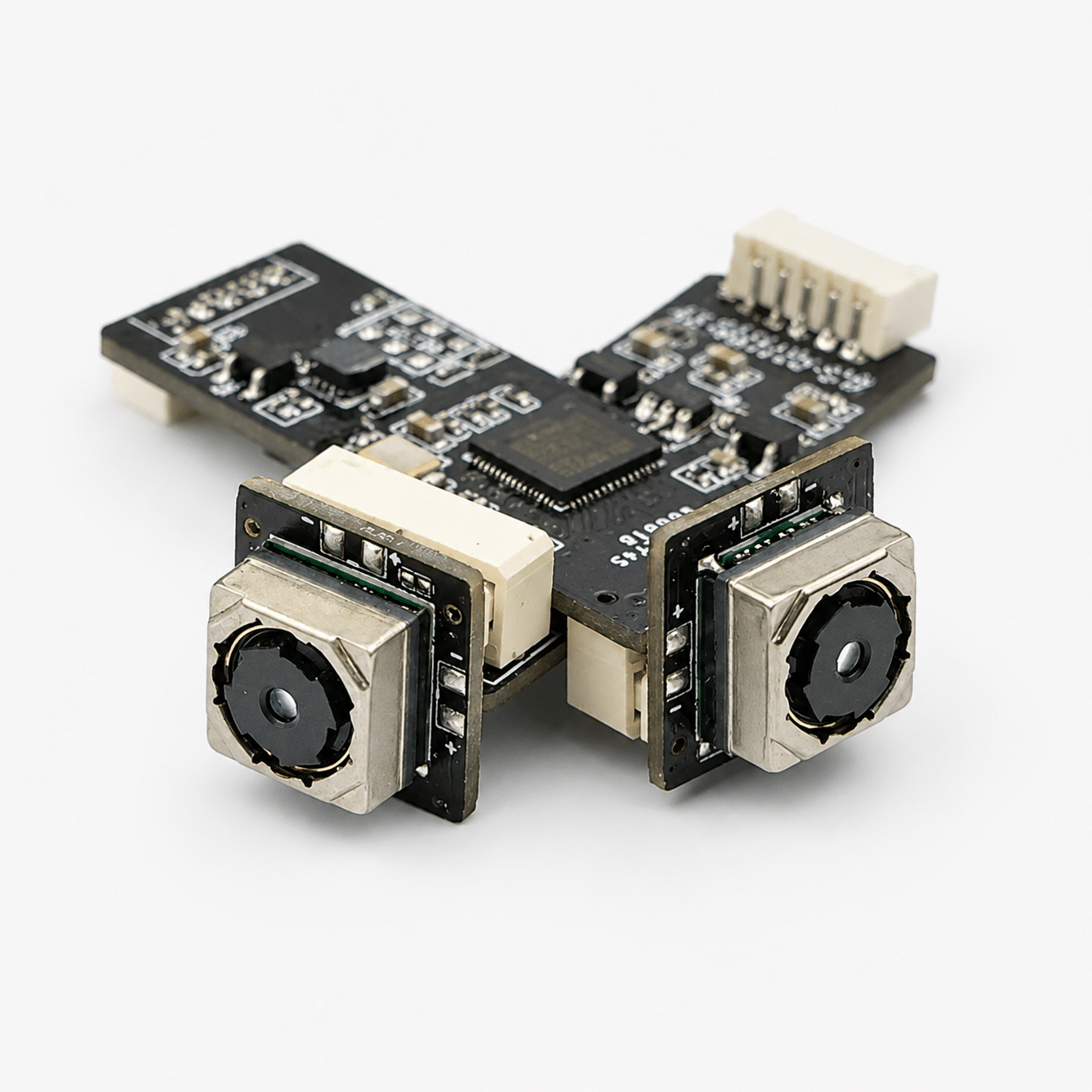 Legacy CMOS Sensor
IMX179
Legacy Design ReviewInstalled-base sensor entry; confirm the exact requirement, package, interface, available evidence, and a migration path for new designs.
View product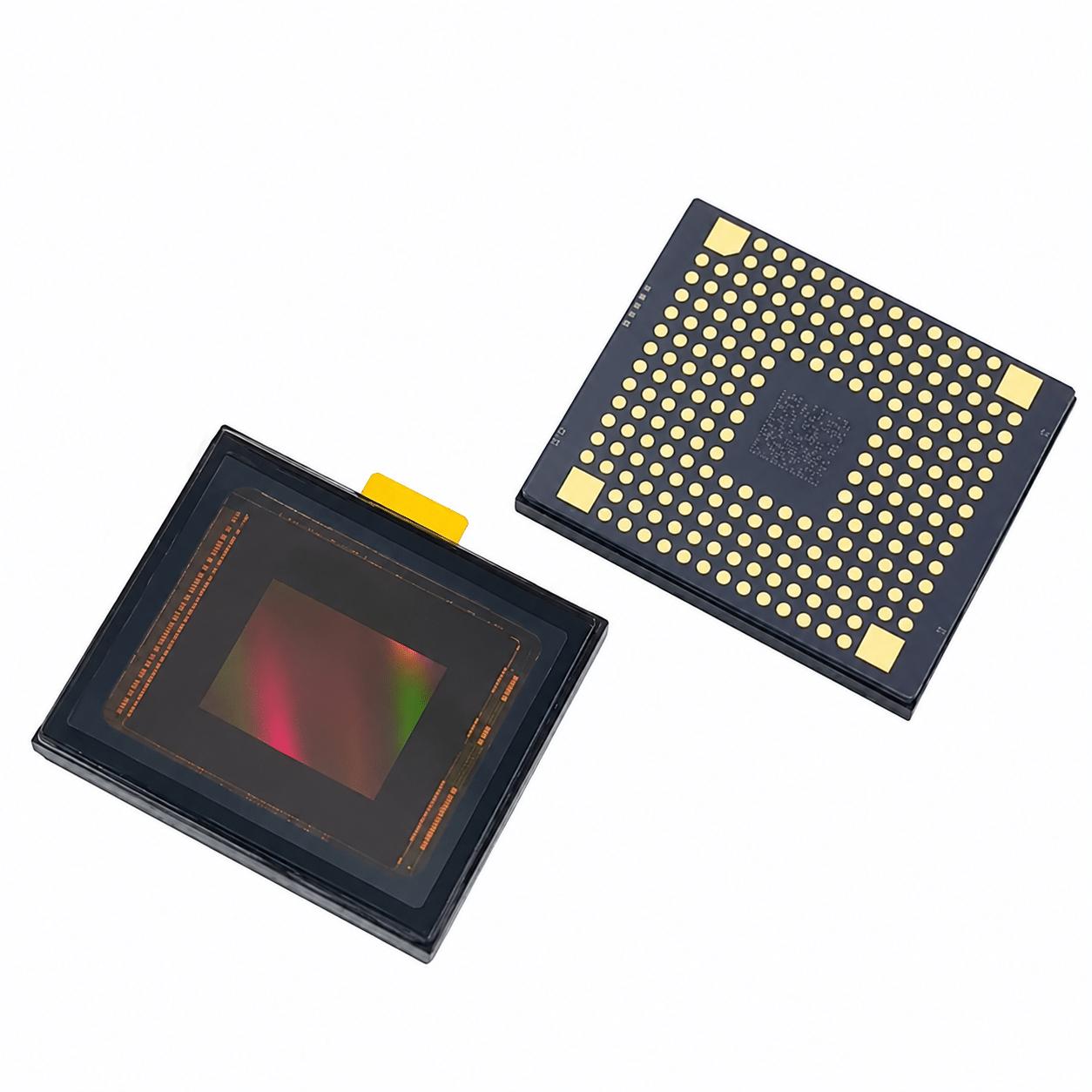 4K-Class CMOS Sensor
IMX415-AAQR
Mode and Interface ReviewHigh-resolution monitoring entry; confirm sensor mode, frame rate, interface, HDR, lighting, optics, package, power, and thermal design.
View productPolarization Global-Shutter SensorIMX250MZR
Polarization System ReviewIndustrial polarization entry; confirm material, lighting, optics, shutter, interface, calibration, algorithm, package, and application fit.
View productCurrent Sony documentation and the camera design requirements remain the authority for product selection. Confirm the complete suffix and imaging mode before approving a sensor, alternate, or purchase.
Review the exact Sony sensor and evidence before release.
YURUNOX organizes the sourcing review around the actual order rather than assuming that every listing has the same suffix, condition, documentation, inspection scope, or delivery basis.
Migrating a low-light camera from an older IMX sensor
The objective is not to match megapixels alone. The review separates optical performance, electrical compatibility, mechanical integration, software work, supply context, and the validation required for the new image pipeline.
Questions buyers ask about Sony image sensors.
Use these answers to prepare a more complete imaging requirement and reduce delays during technical and commercial review.
Does YURUNOX manufacture Sony image sensors?
No. YURUNOX provides independent electronic-component sourcing and order-specific review services. Sony product names and images identify the requested manufacturer product.
Can you help choose a Sony sensor for a new camera?
We can help organize the requirement and narrow the product direction. Final engineering approval should use current Sony documentation and complete optical, electrical, software, and image-quality validation.
Should I choose a sensor only by megapixels?
No. Shutter type, pixel size, sensor format, sensitivity, dynamic range, frame rate, interface, spectrum, optics, motion, lighting, power, thermal, and processing constraints can be equally important.
When is a global-shutter sensor appropriate?
Global shutter is often considered when moving objects must be captured without rolling-shutter distortion. Required exposure, speed, illumination, resolution, frame rate, and bandwidth still determine the product direction.
What is needed for a polarization sensor request?
Share the material or defect, polarization objective, lighting geometry, lens, field of view, working distance, resolution, frame rate, interface, calibration, software, quantity, and target date.
How are older IMX sensors handled?
We separate installed-base demand from new design selection, review the exact suffix and offered stock evidence, and identify a migration direction when appropriate. Any replacement still requires customer validation.
Can you quote one image sensor or a complete BOM?
Yes. Submit one MPN, multiple sensor lines, or a complete camera BOM. Include quantity, target date, destination, acceptable alternatives, and required evidence.
What information is confirmed in a formal quote?
The quote can define offered quantity, unit basis, validity, source condition, date or lot information when available, inspection scope, payment, lead-time basis, freight, and destination terms.
Send your Sony MPN, camera BOM, or imaging requirement.
Share the scene, motion, lighting, spectrum, optics, resolution, shutter, frame rate, interface, package, quantity, target date, destination, lifecycle context, and evidence requirements.